Tehachapi, CA Real Estate Guide
Tehachapi real estate offers something rare in California: mountain living at nearly 4,000 feet, right between the San Joaquin Valley and the Mojave Desert. It's a mountain town with four real seasons, clean air, and the kind of quiet that people from Bakersfield and LA drive up to find. The population is around 14,000 in the city proper, with another 30,000 or so in the surrounding unincorporated areas. It started as a railroad town in the 1870s and has kept its small-town bones while growing into a place people actively choose to live, not just pass through.
What to Love About Tehachapi
- Four-season weather at elevation, with cool summers in the 80s and snowy winters, all without the brutal valley heat
- A cost of living well below the California average, with more space per dollar than almost anywhere in the southern half of the state
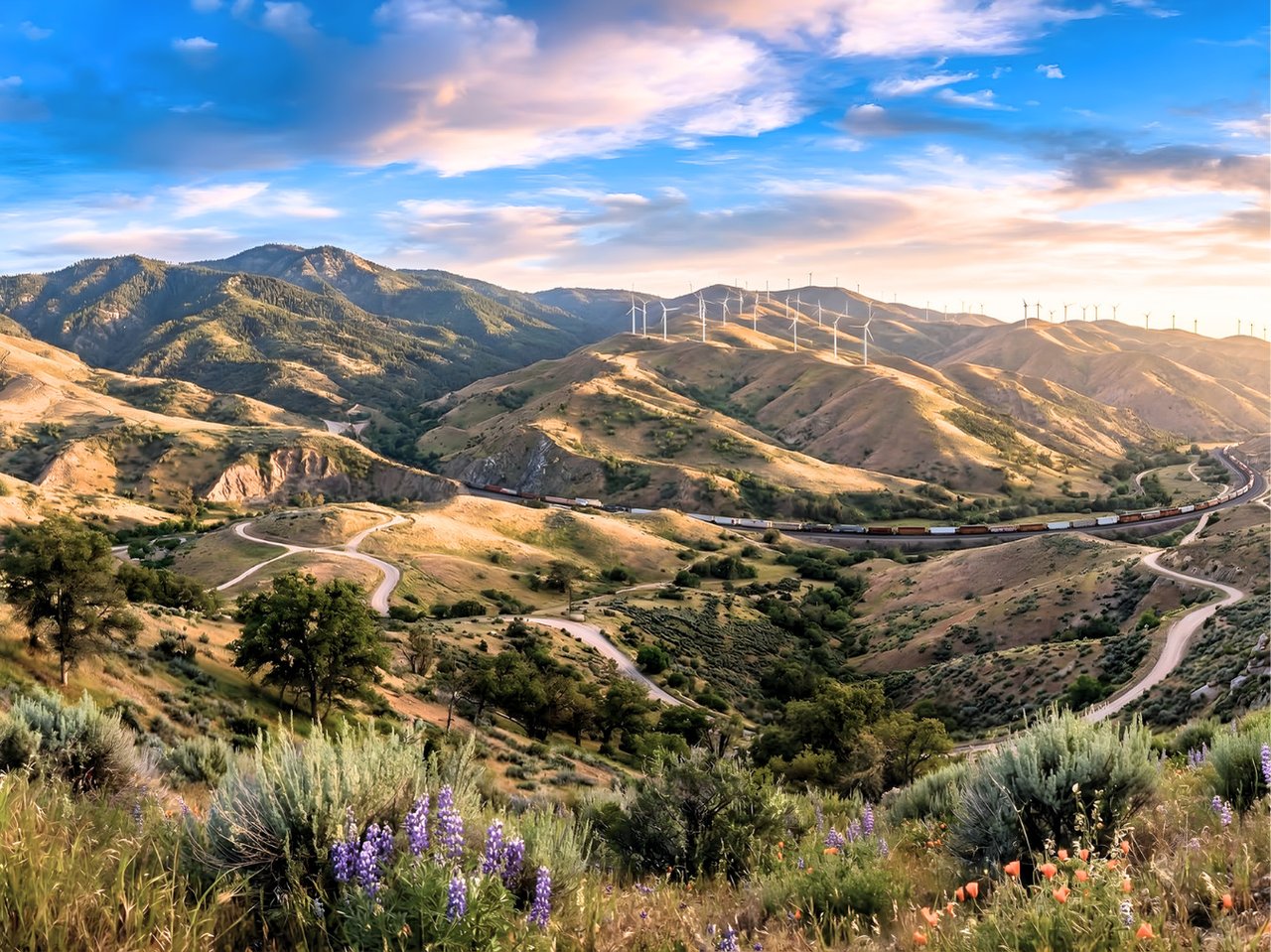
- The famous Tehachapi Loop, one of the most photographed railroad engineering feats in the world, right in your backyard
- Boutique wineries, craft breweries, and a food scene that punches above its weight for a town this size
- Direct access to the Pacific Crest Trail and hundreds of miles of mountain biking, hiking, and horseback riding trails
- A strong community calendar anchored by the Mountain Festival in August and the Apple Festival in October
- Wind energy capital of California, with one of the largest wind farm installations in the country spinning on the surrounding ridgelines
- Safe, tight-knit neighborhoods where people actually know their neighbors
Neighborhoods in Tehachapi, CA
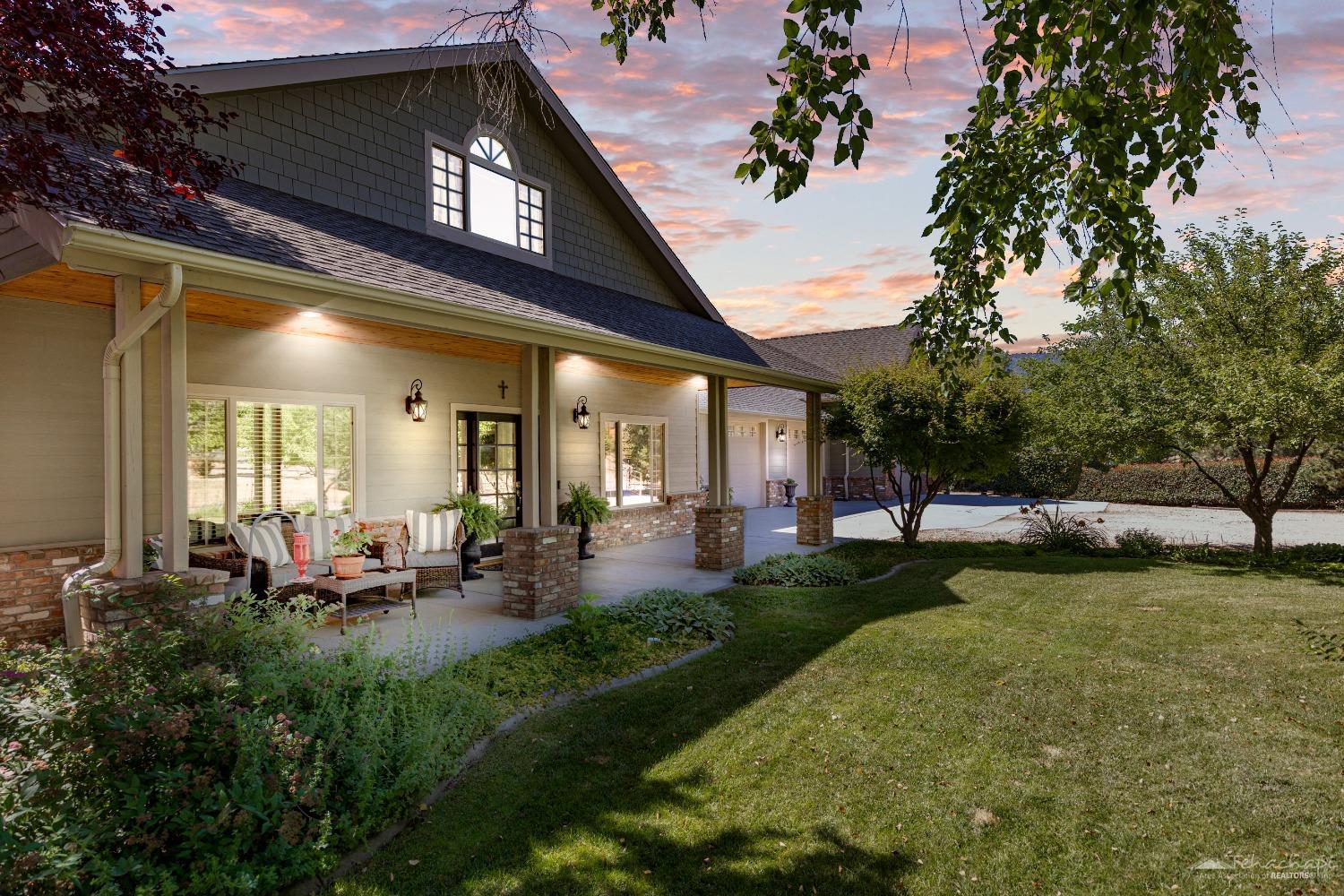
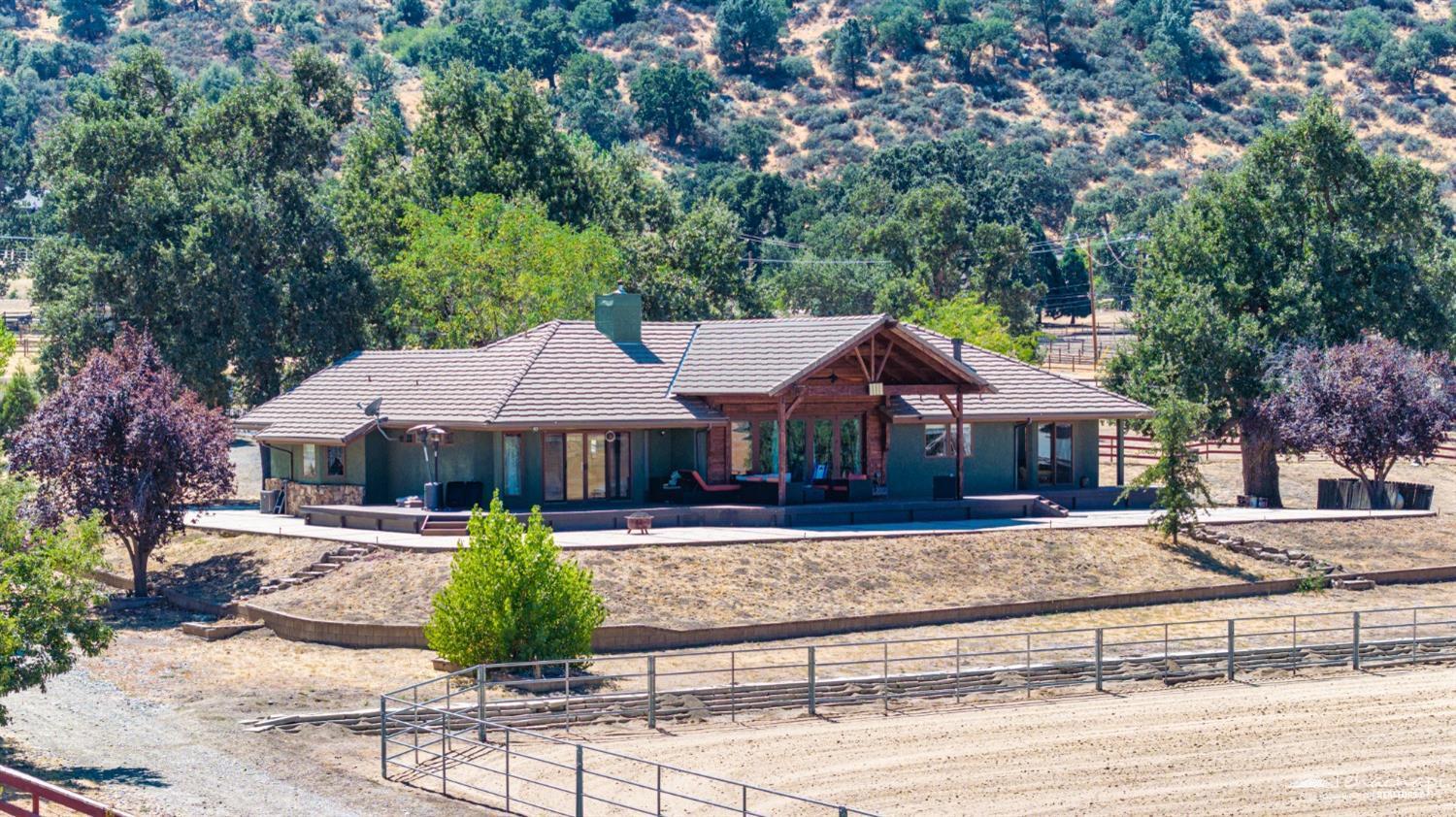
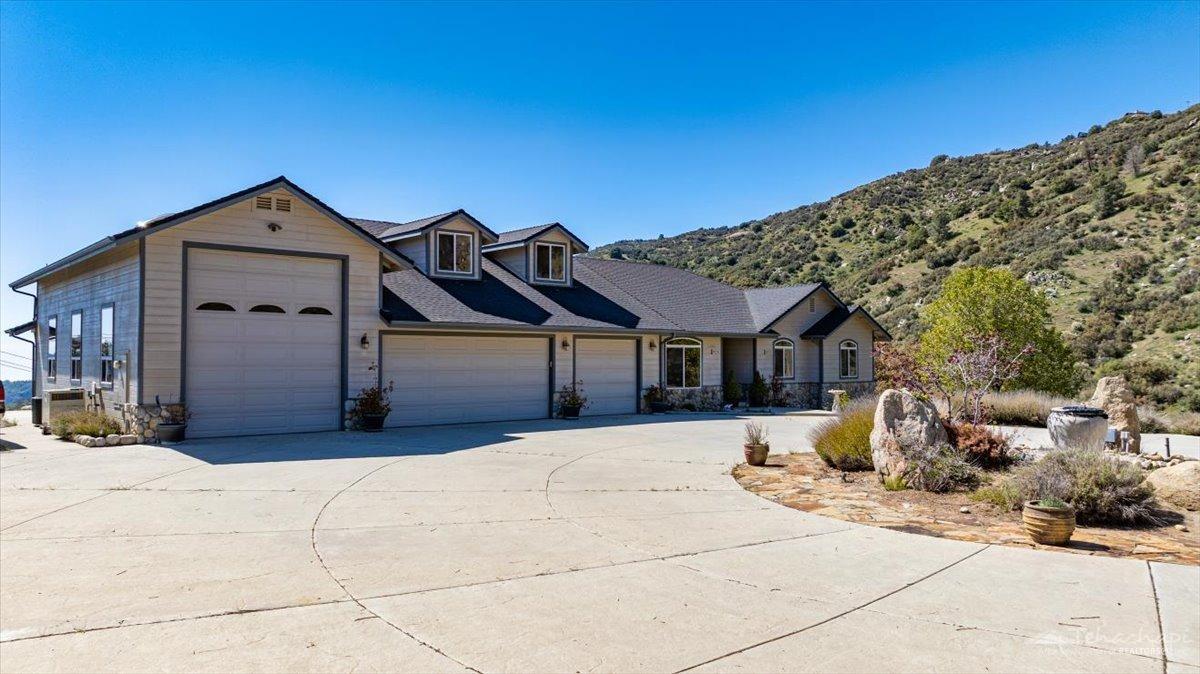
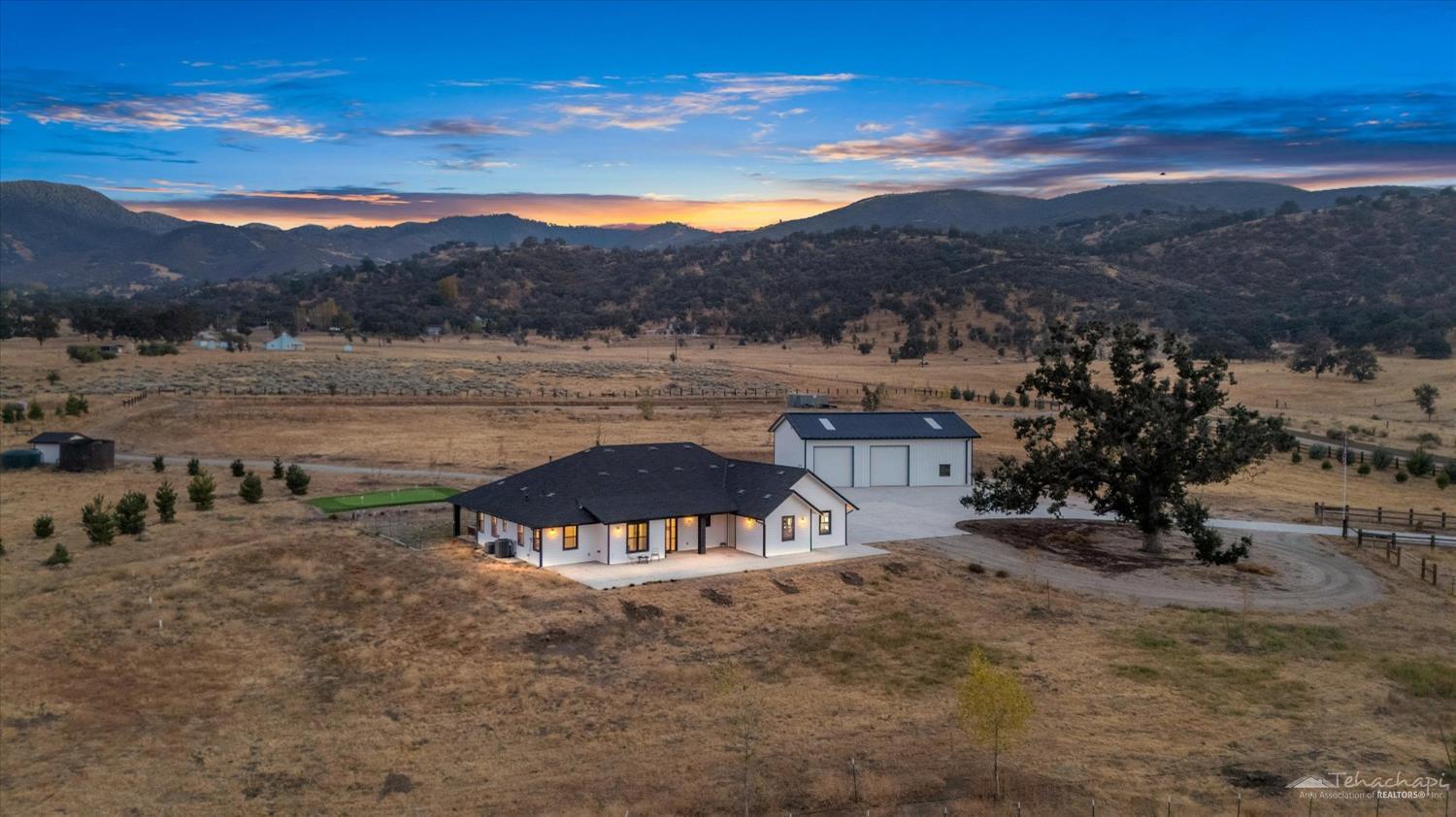
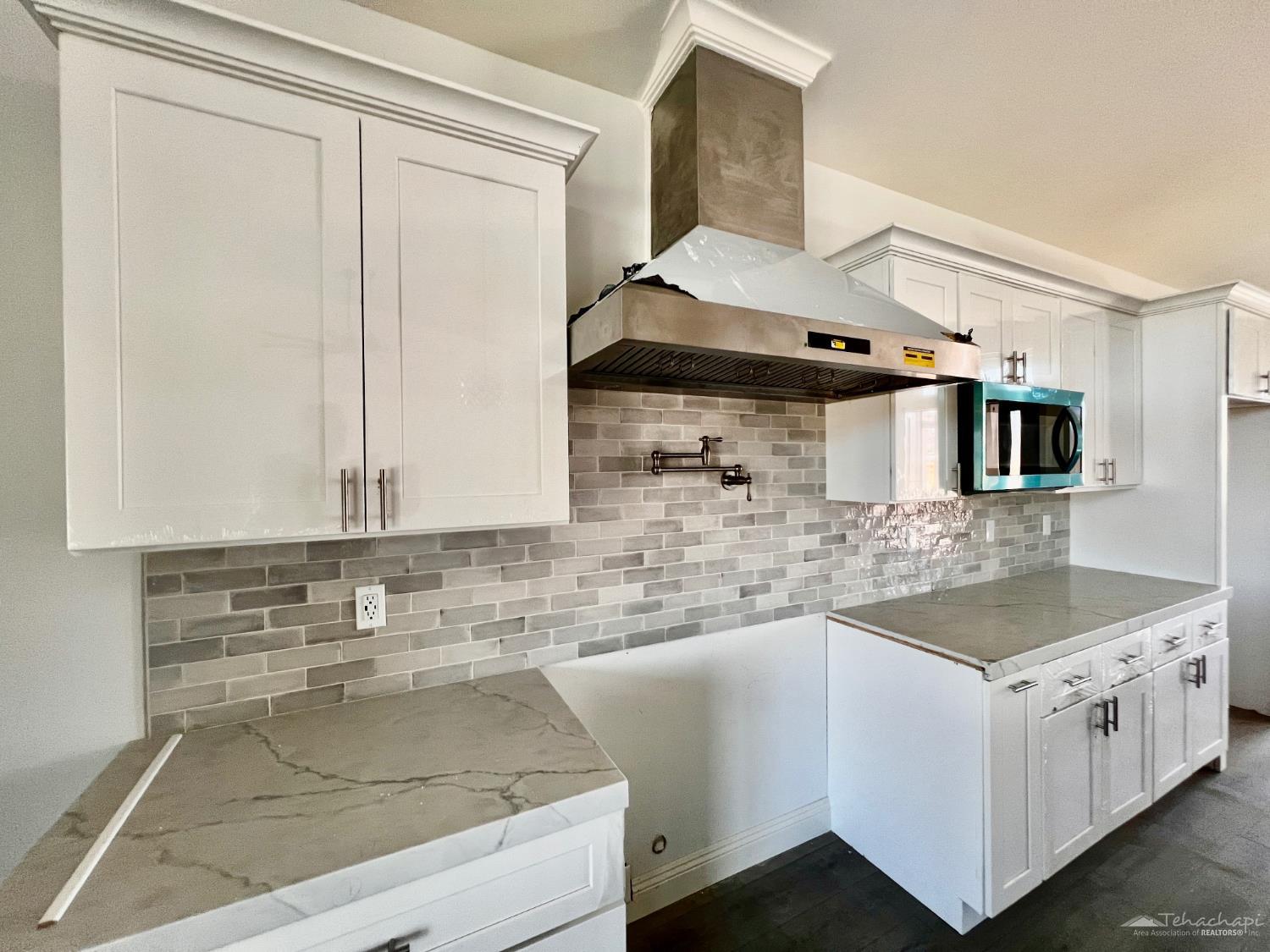
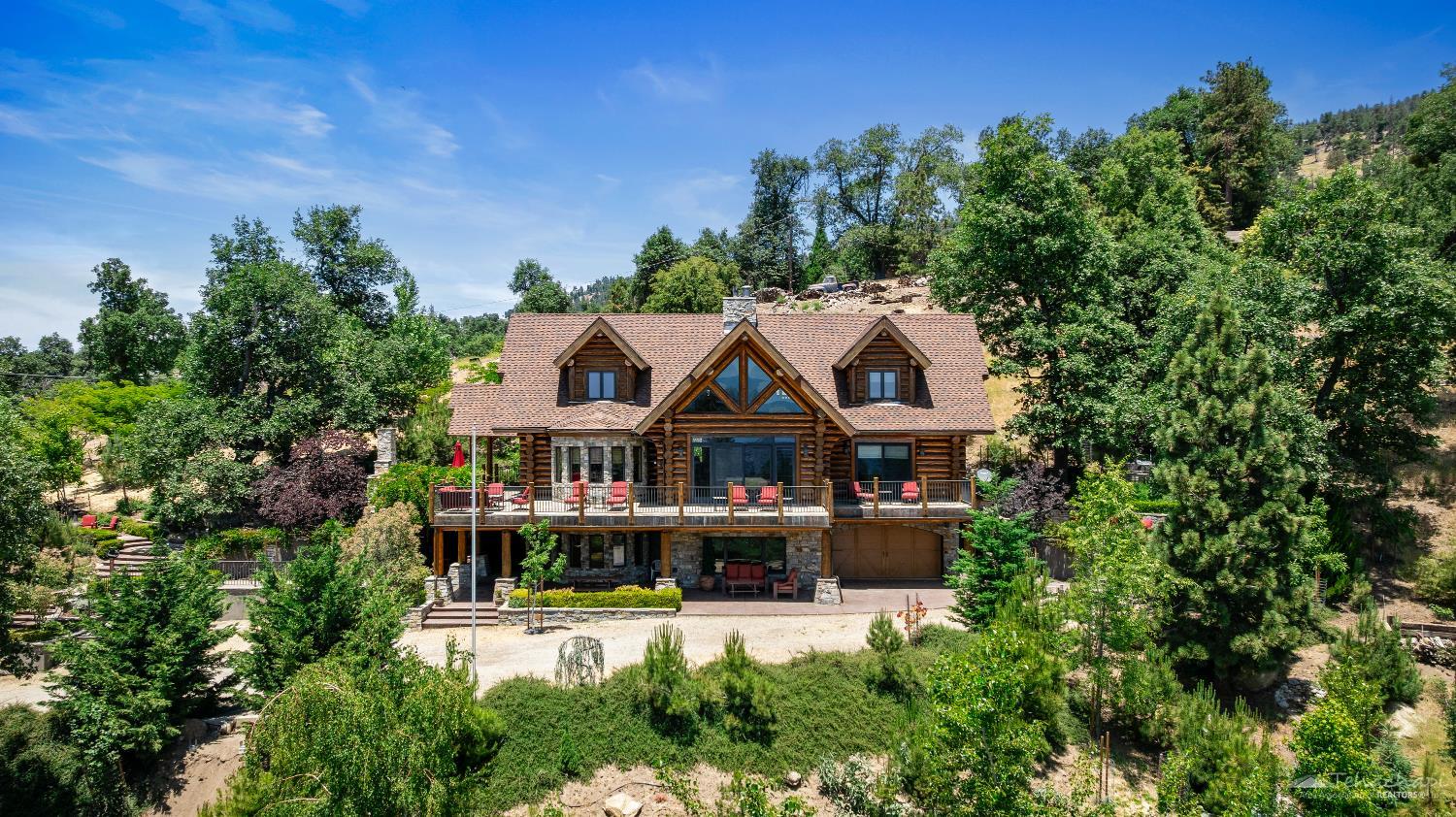
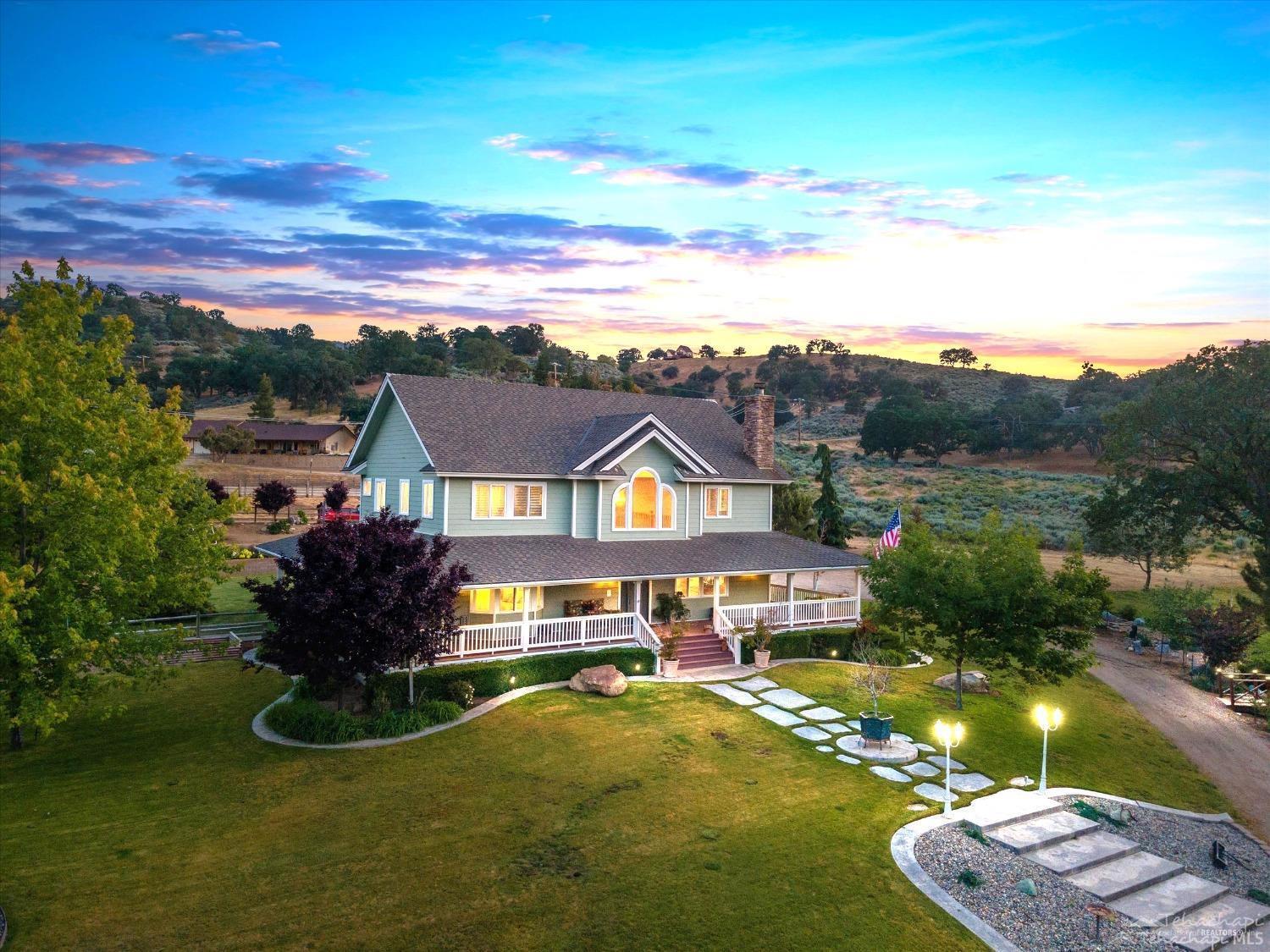
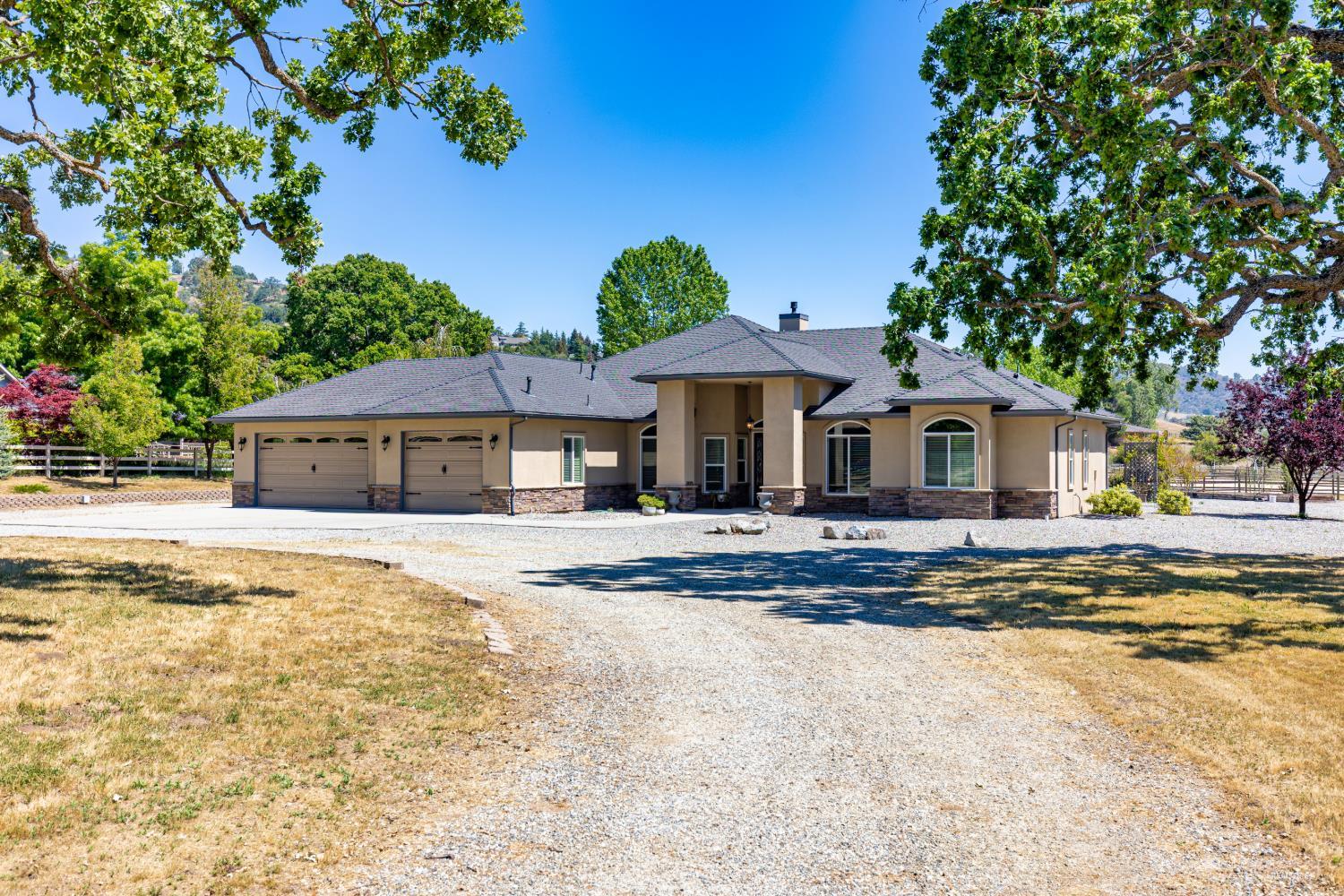
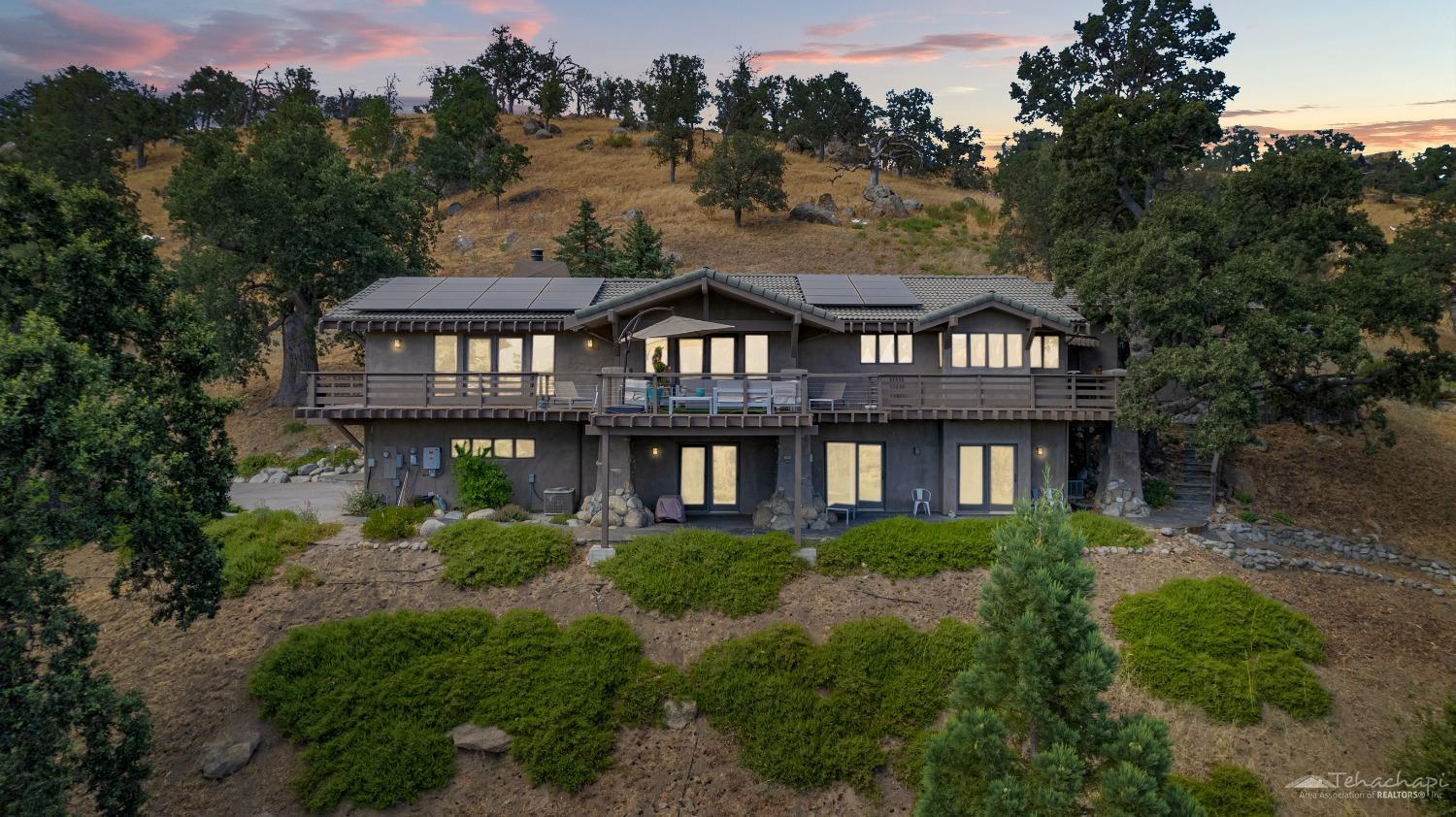
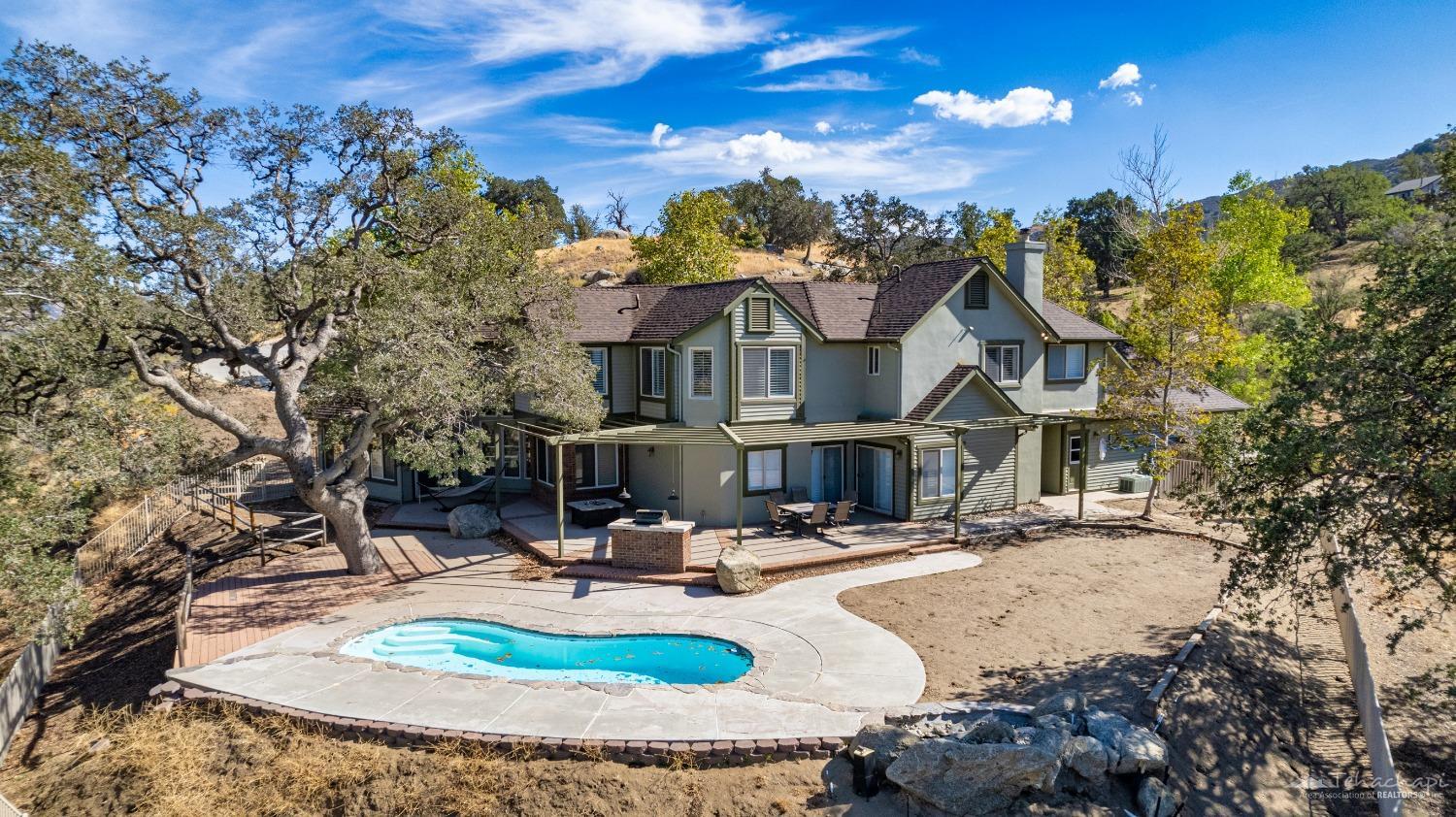
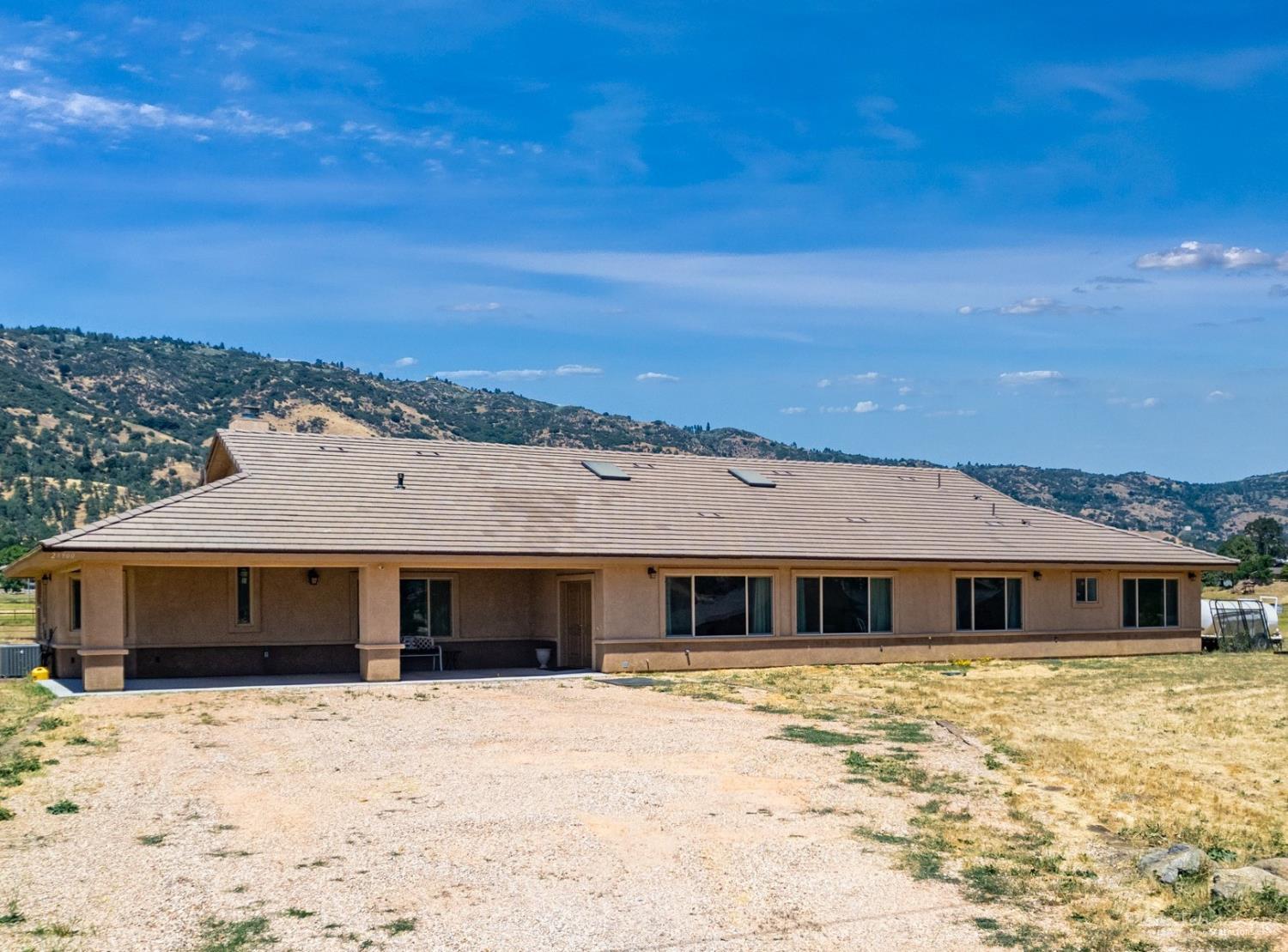
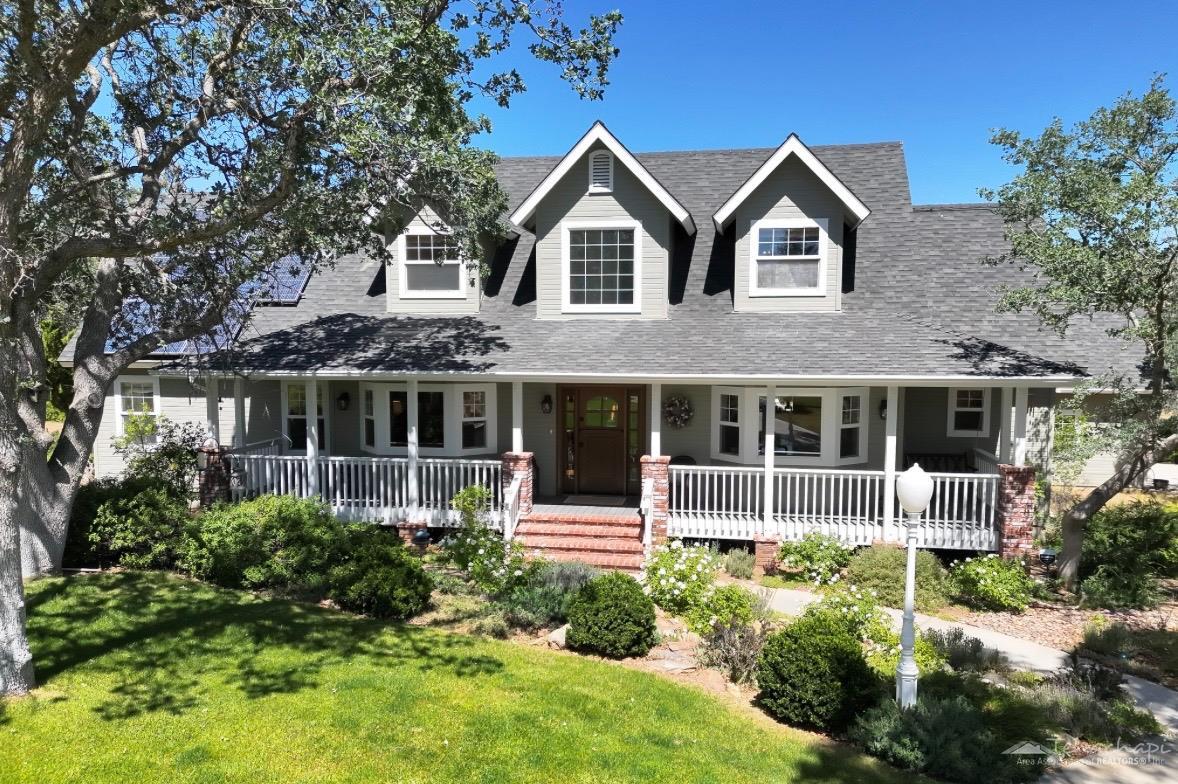
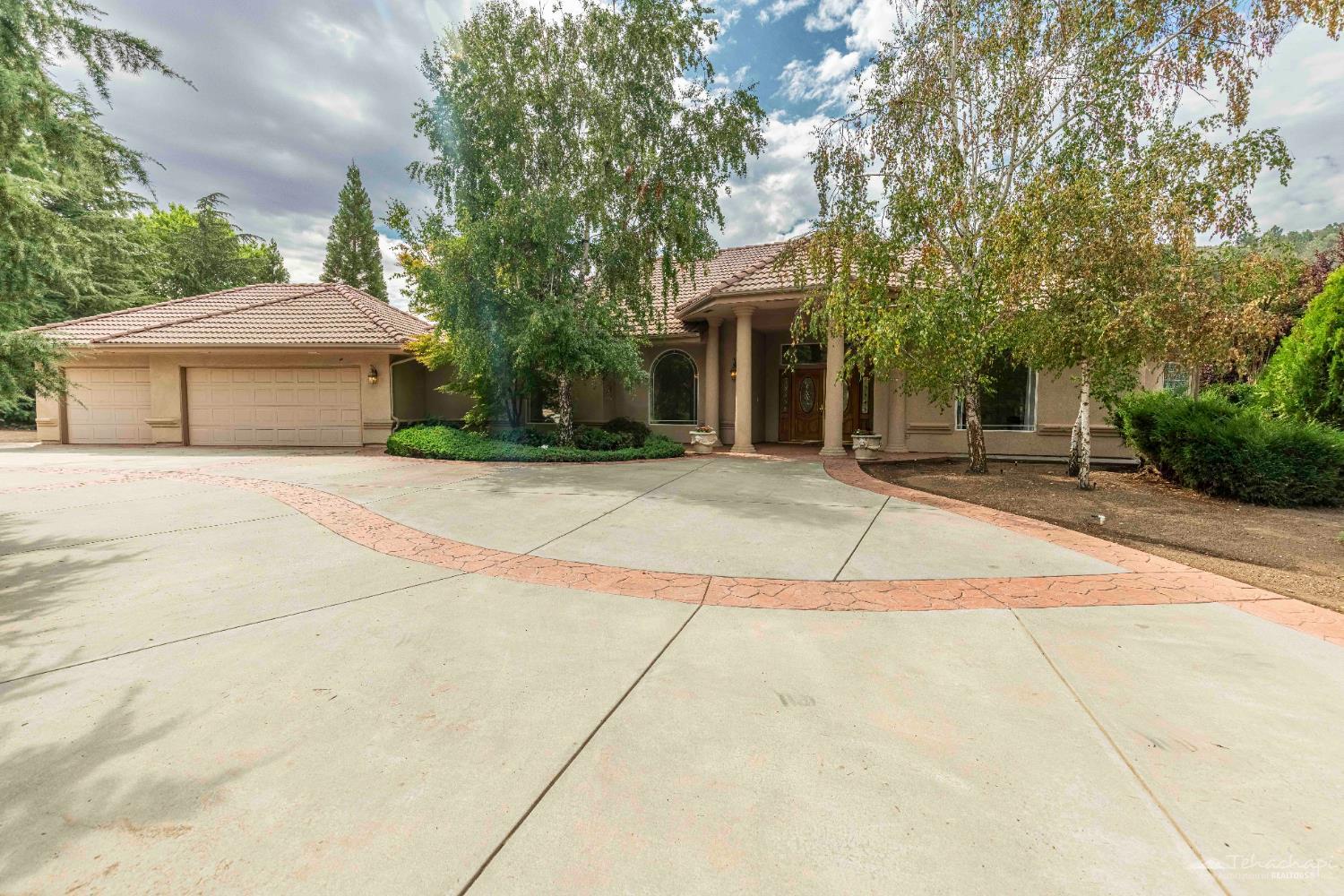
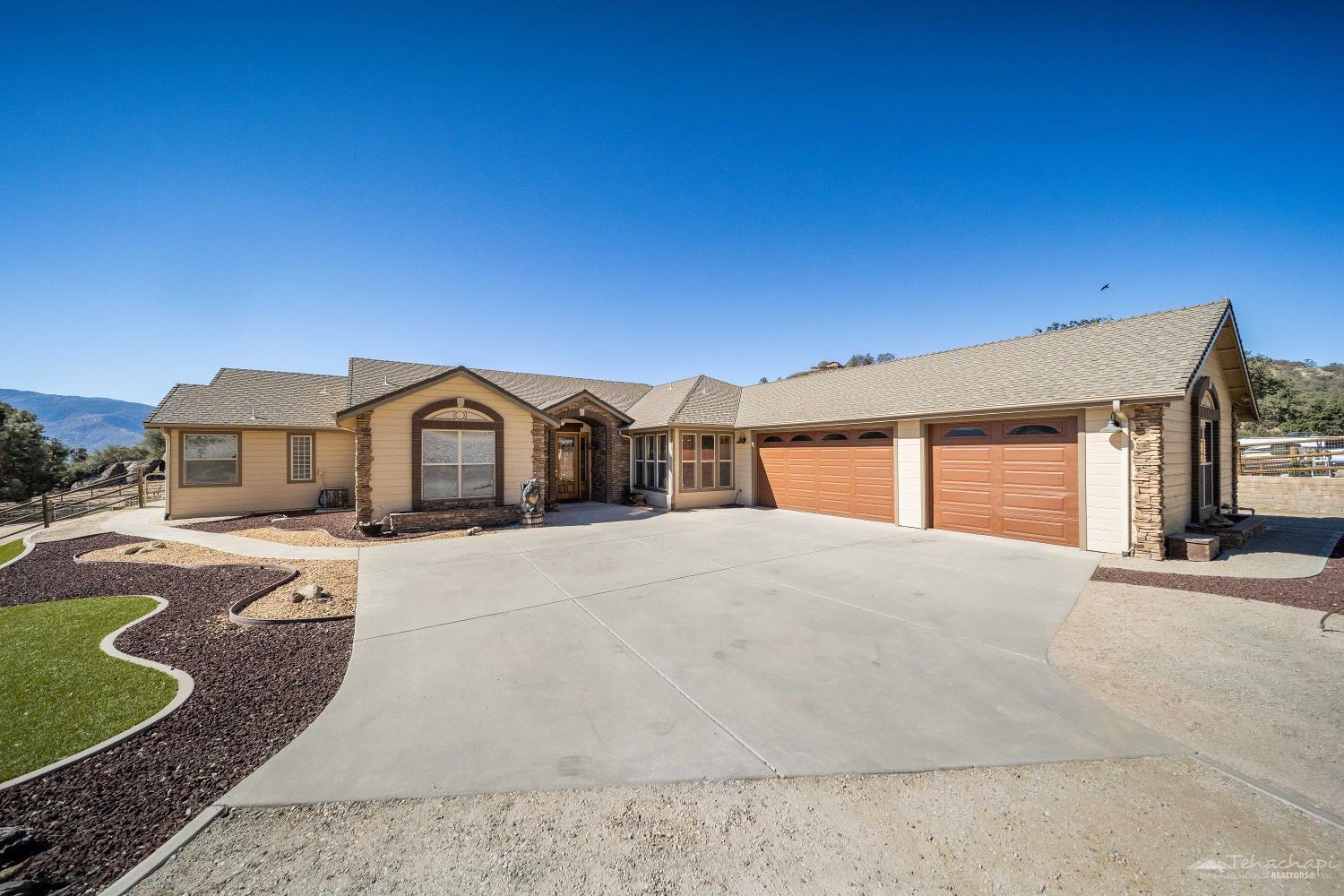
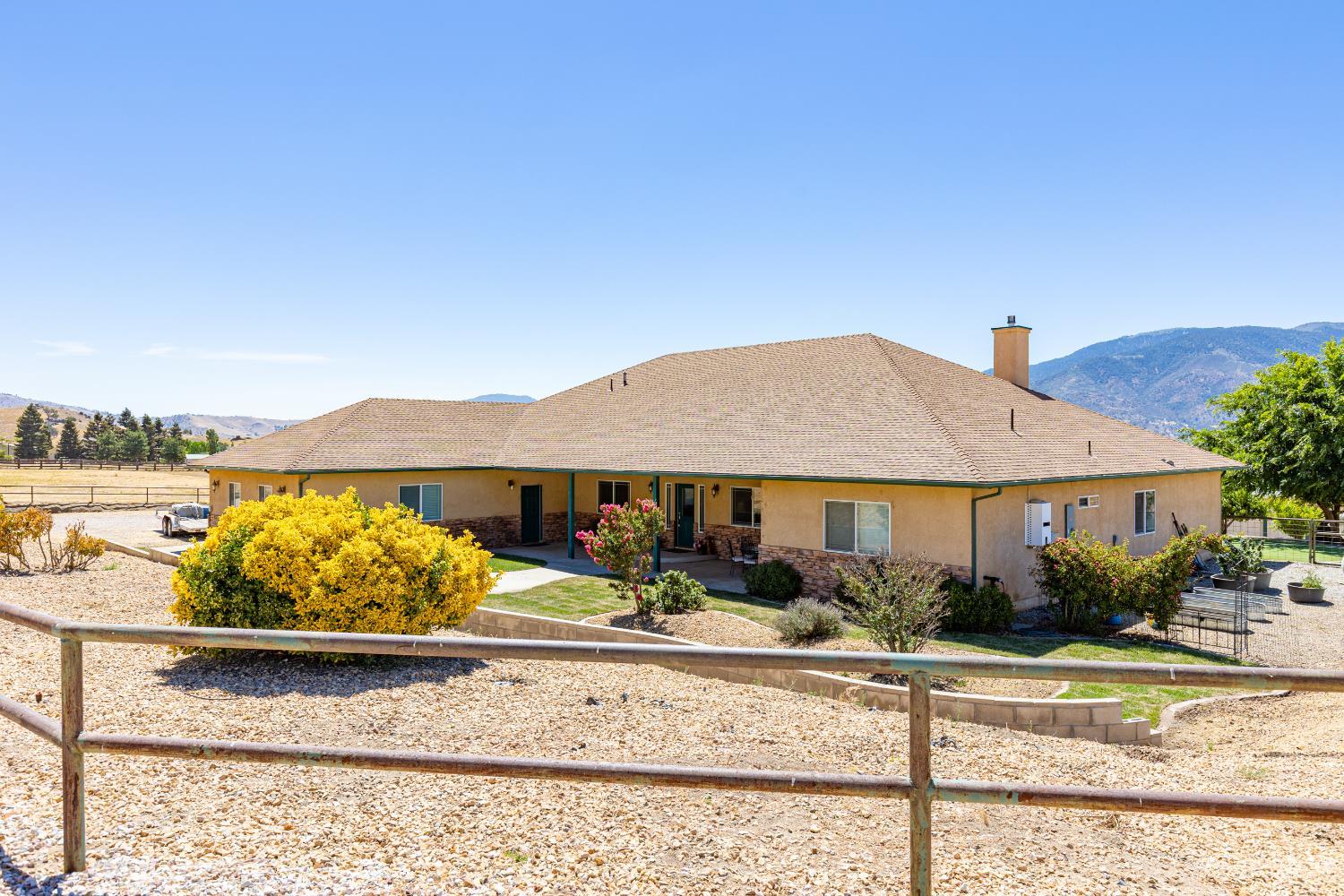
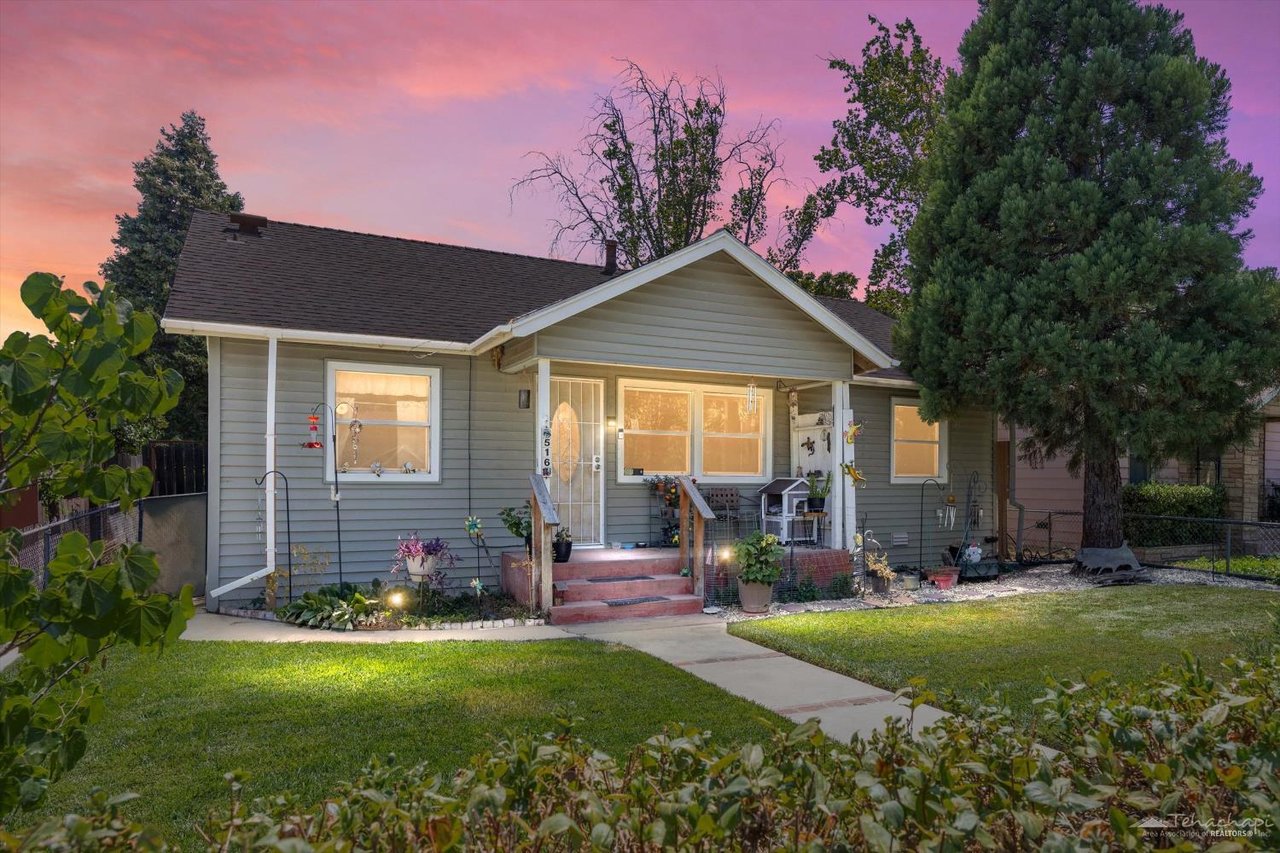
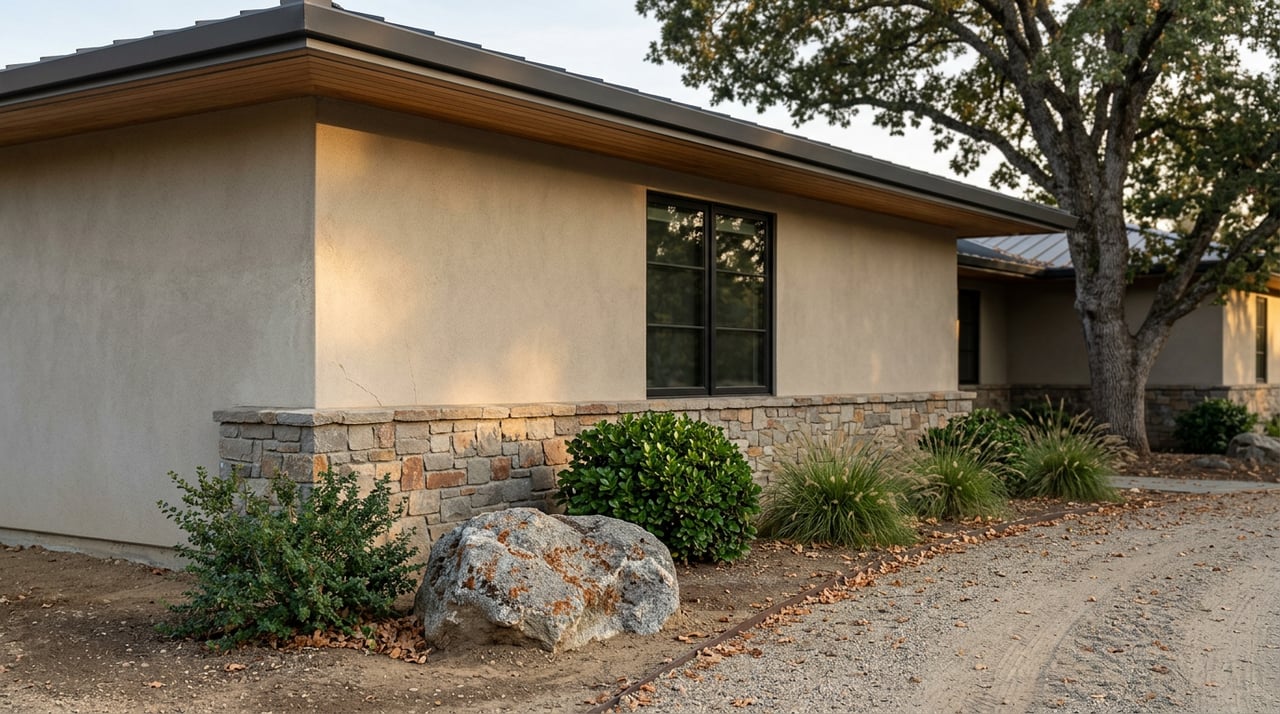
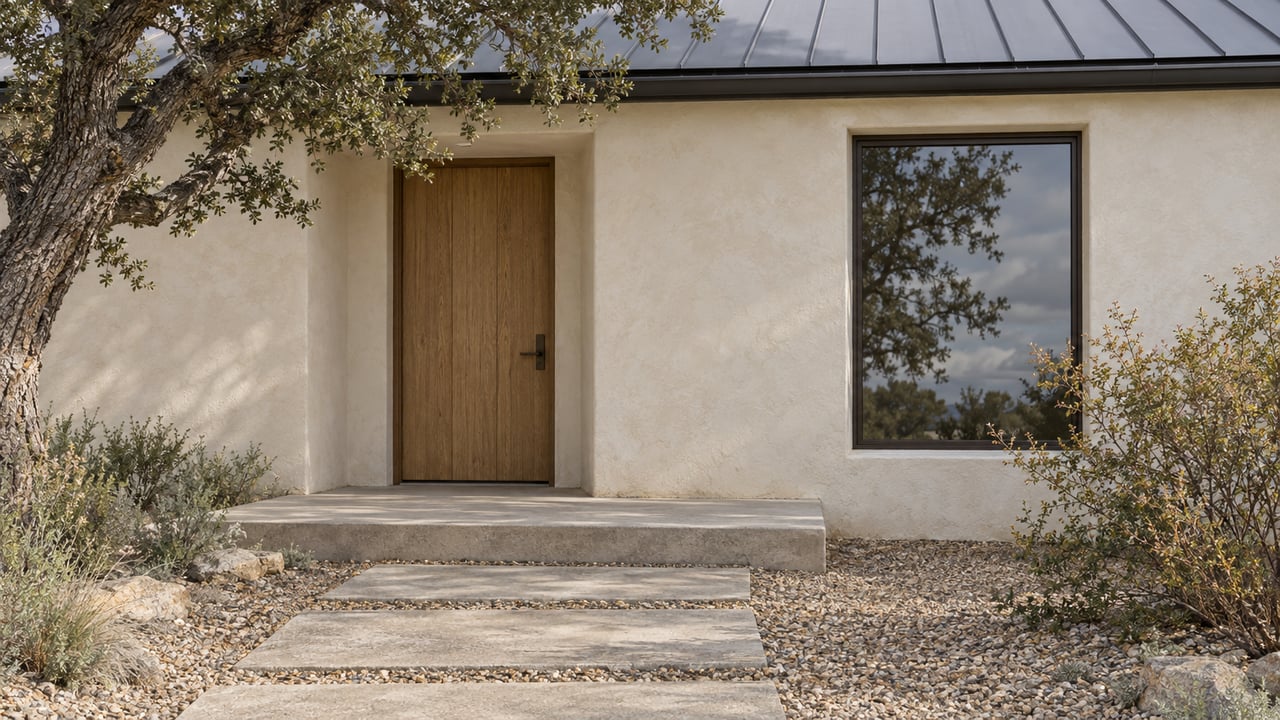
Tehachapi's housing stock is as varied as the terrain. In the city center, you'll find older ranch-style homes from the mid-20th century, many on standard lots with established trees and walkable proximity to downtown shops and restaurants. Newer subdivisions on the edges of town bring more modern construction, including farmhouse-style builds, single-story layouts with open floor plans, and homes with EV infrastructure and solar panels.
Downtown and City Core: Compact lots, older homes with character, and easy access to restaurants, schools, and the weekly Farmers Market. Good for buyers who want a traditional in-town feel without a long drive to amenities.
Golden Hills / Old Town / Oak Knolls: West of the city center, these are primarily residential areas with a range of property sizes. Golden Hills has its own community services district, parks (including Tom Sawyer Lake), and a neighborhood identity that feels slightly separate from downtown. Homes here range from modest starter properties to newer construction on half-acre-plus lots.
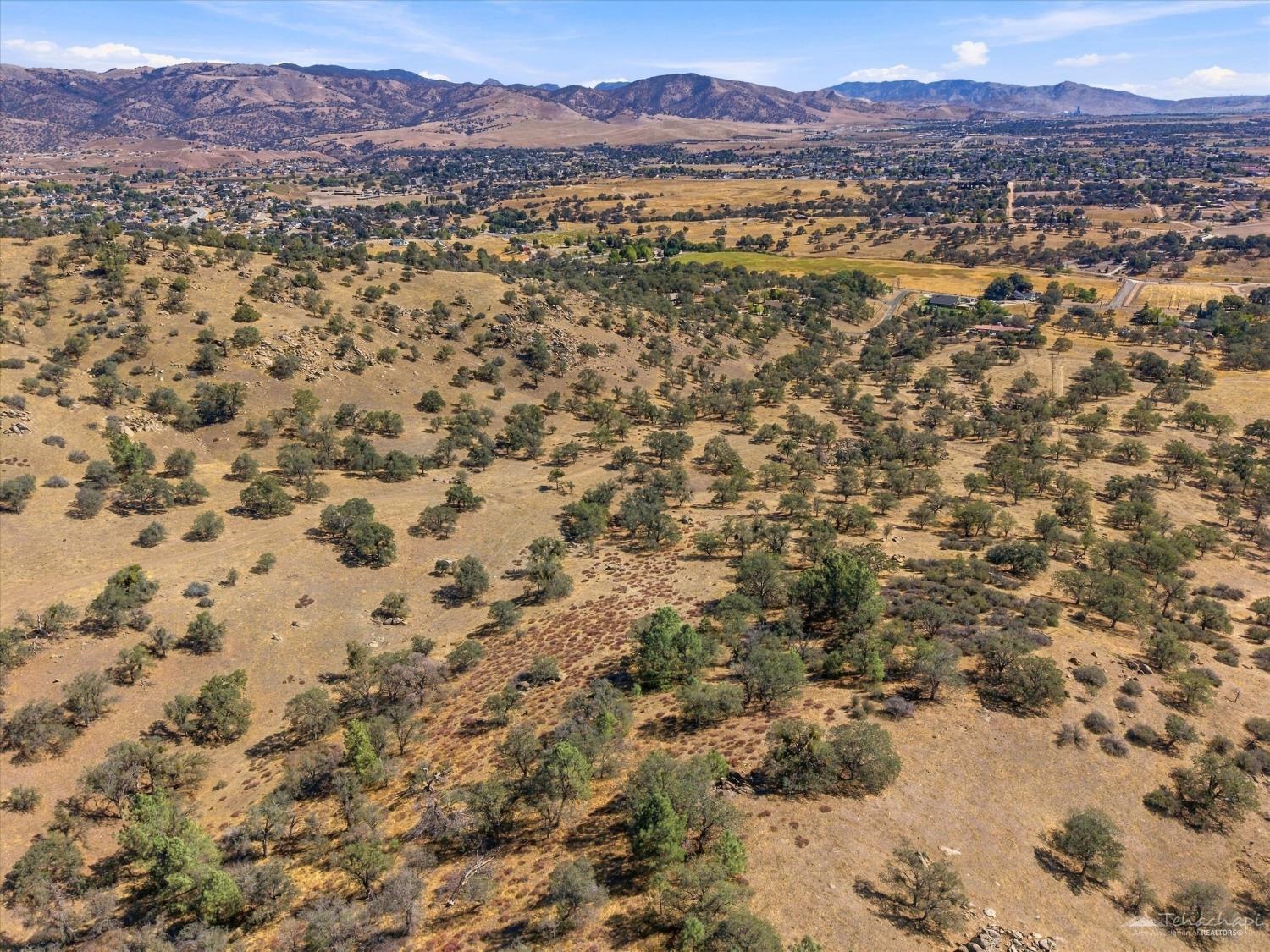
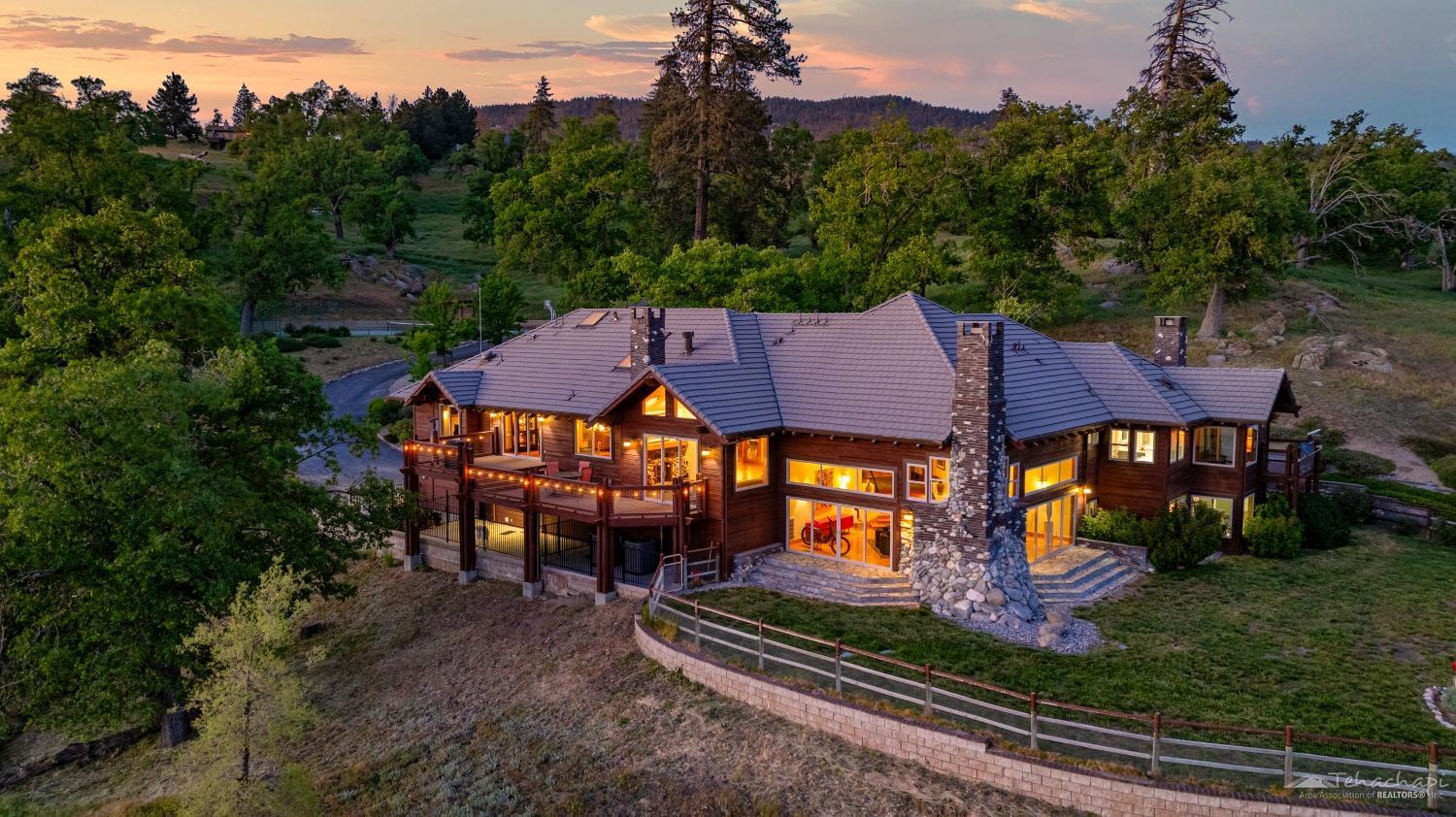
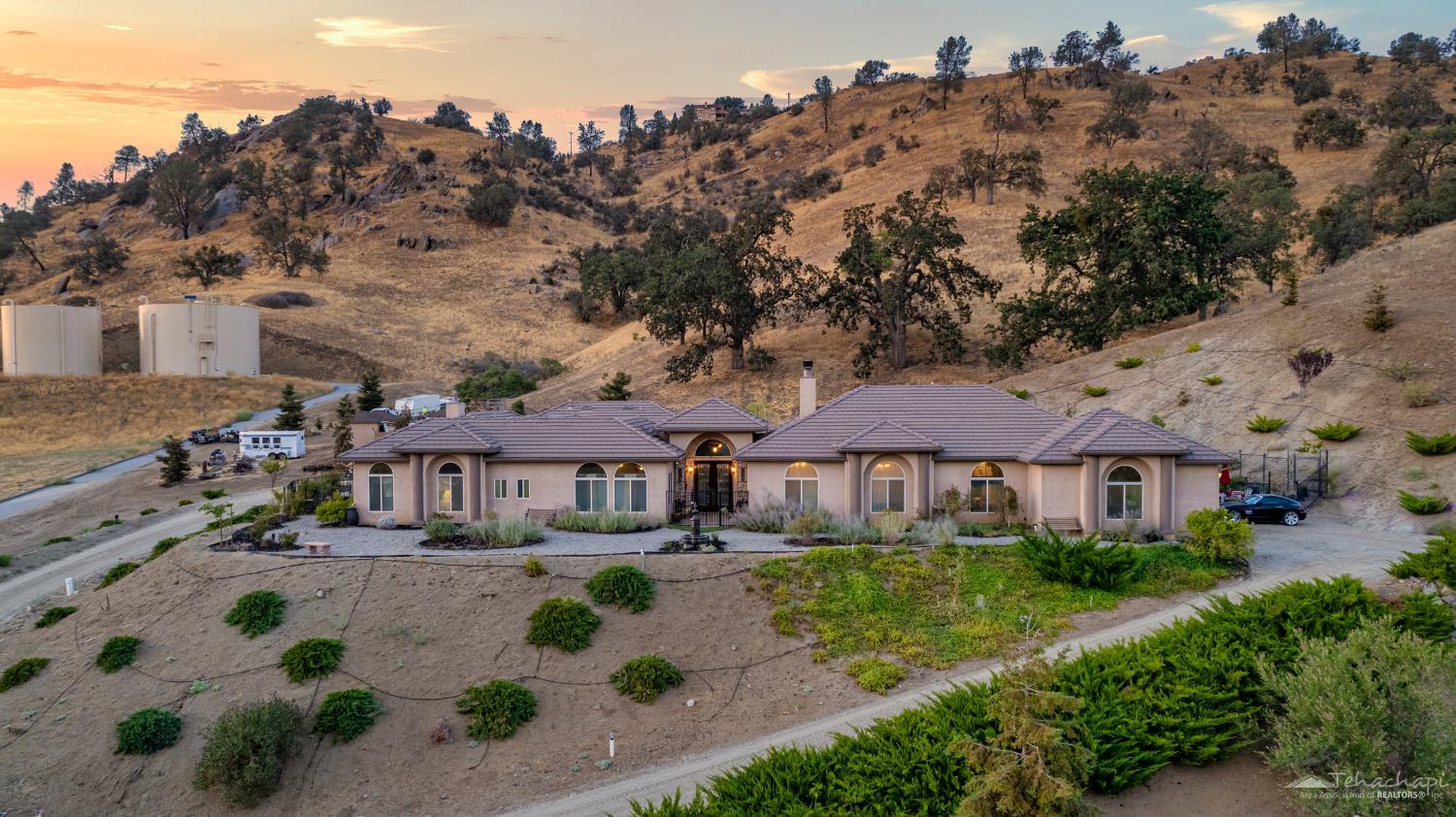
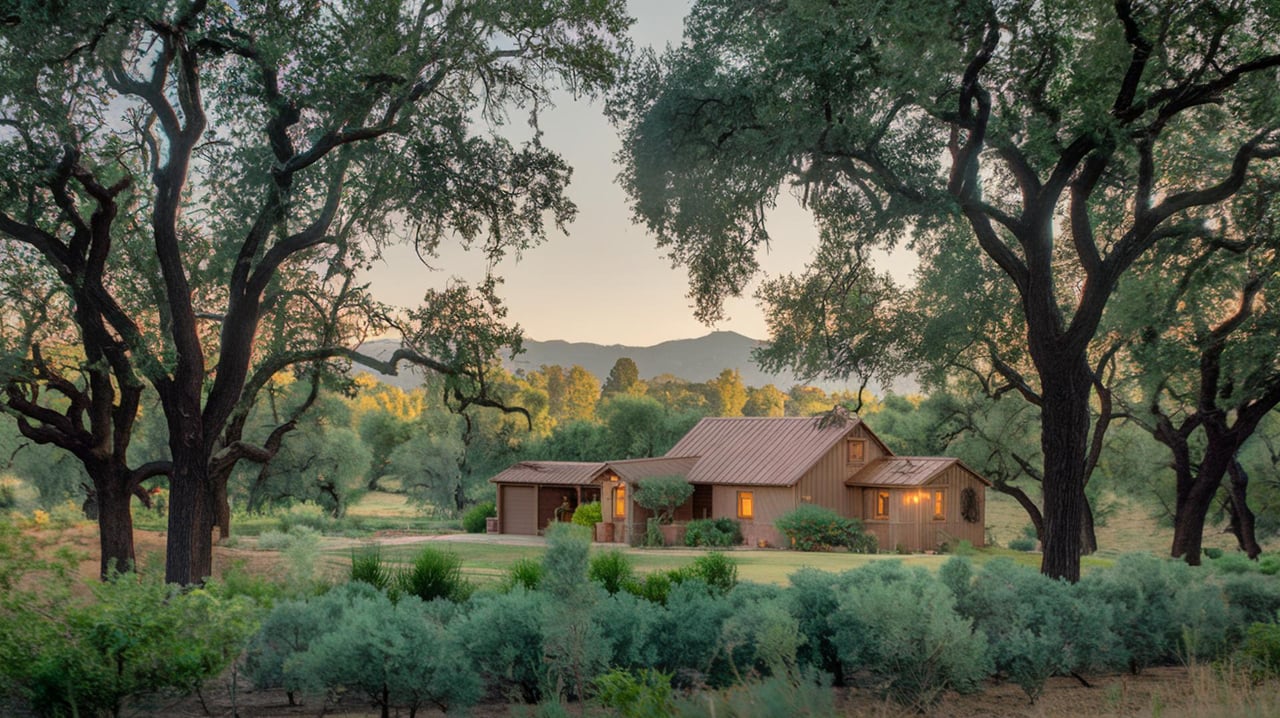
Bear Valley Springs: A gated community in Bear Valley, accessed from Cummings Valley. This is Tehachapi's premier planned community, with large parcels, oak-studded hillsides, and resident amenities including a country club golf course, swimming pool, shooting range, lakes, and equestrian trails. Homes range from cozy cabins to expansive custom estates on multi-acre lots. If you want land, horses, and views, this is where to look.
Stallion Springs: Another gated community in the Cummings Valley area with its own amenities, including a restaurant and bar (P-Dubs Grille), parks, and pickleball courts. Properties here tend to be on larger lots with mountain views.
Alpine Forest Park / Mountain Meadows / Old West Ranch: Higher elevation areas south of the city with forested land. Many homes here are on larger, more rural parcels. Some properties are partially or fully off-grid. This is where you'll find the most seclusion and the most trees.
Cummings Valley / Brite Valley: The western reaches of the Tehachapi area, with small farms, ranches, and residential lots of varying sizes. Brite Lake (a reservoir open for fishing and camping) is here. Properties tend to be spread out with room to breathe.
Sand Canyon / Cameron Canyon: On the eastern edge, where the mountain valley transitions toward the desert. Sand Canyon has considerable residential development and is home to Tomo-Kahni State Historic Park and the Mountain Spirit Center, a Korean Zen Buddhist monastery. Cameron Canyon has become a center for wind energy development.
Local Tip: Buyers who want acreage and privacy should focus on Bear Valley Springs, Alpine Forest, or Cummings Valley. Those who prefer walkability and a shorter commute to town amenities will be happier in the city core or Golden Hills.
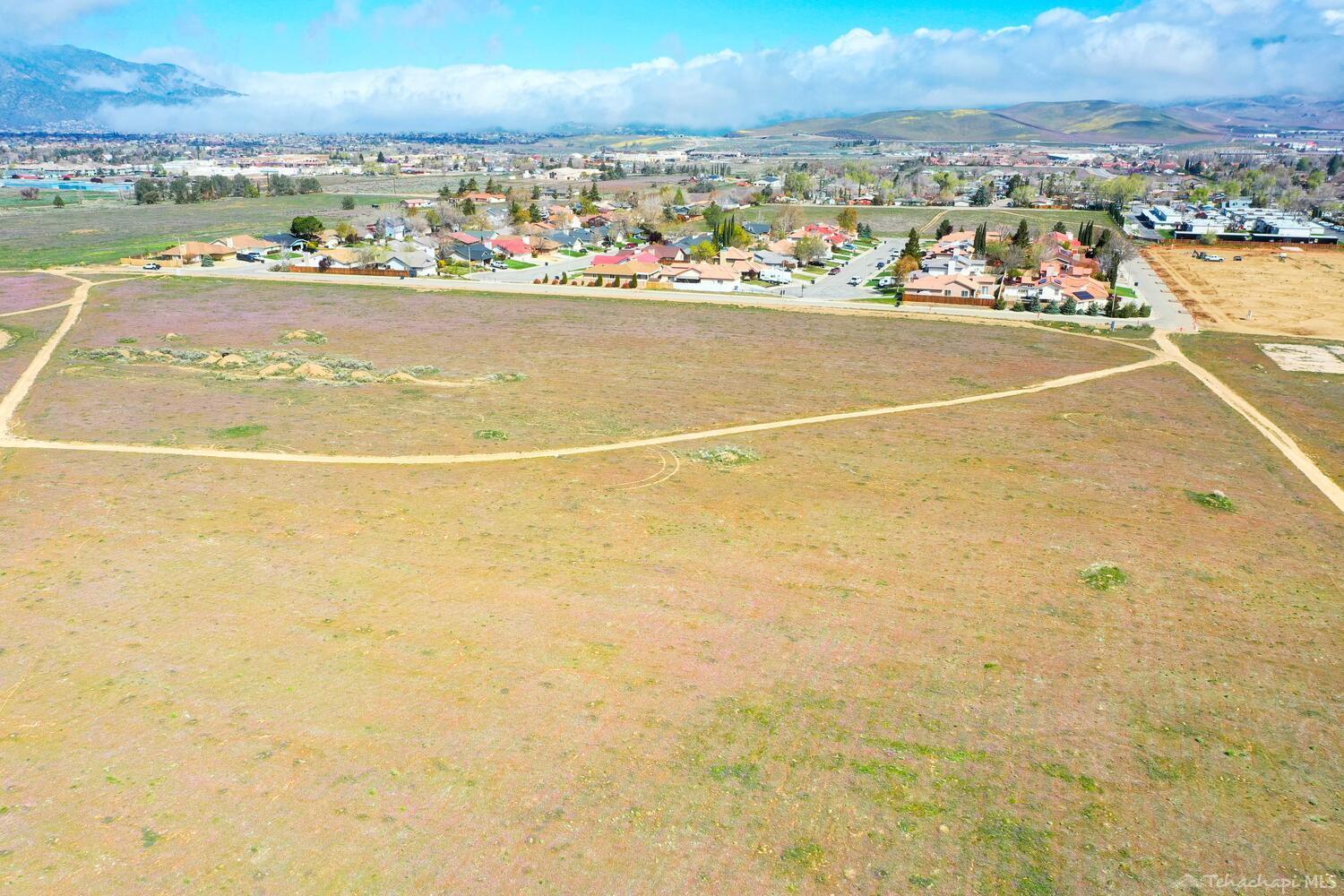
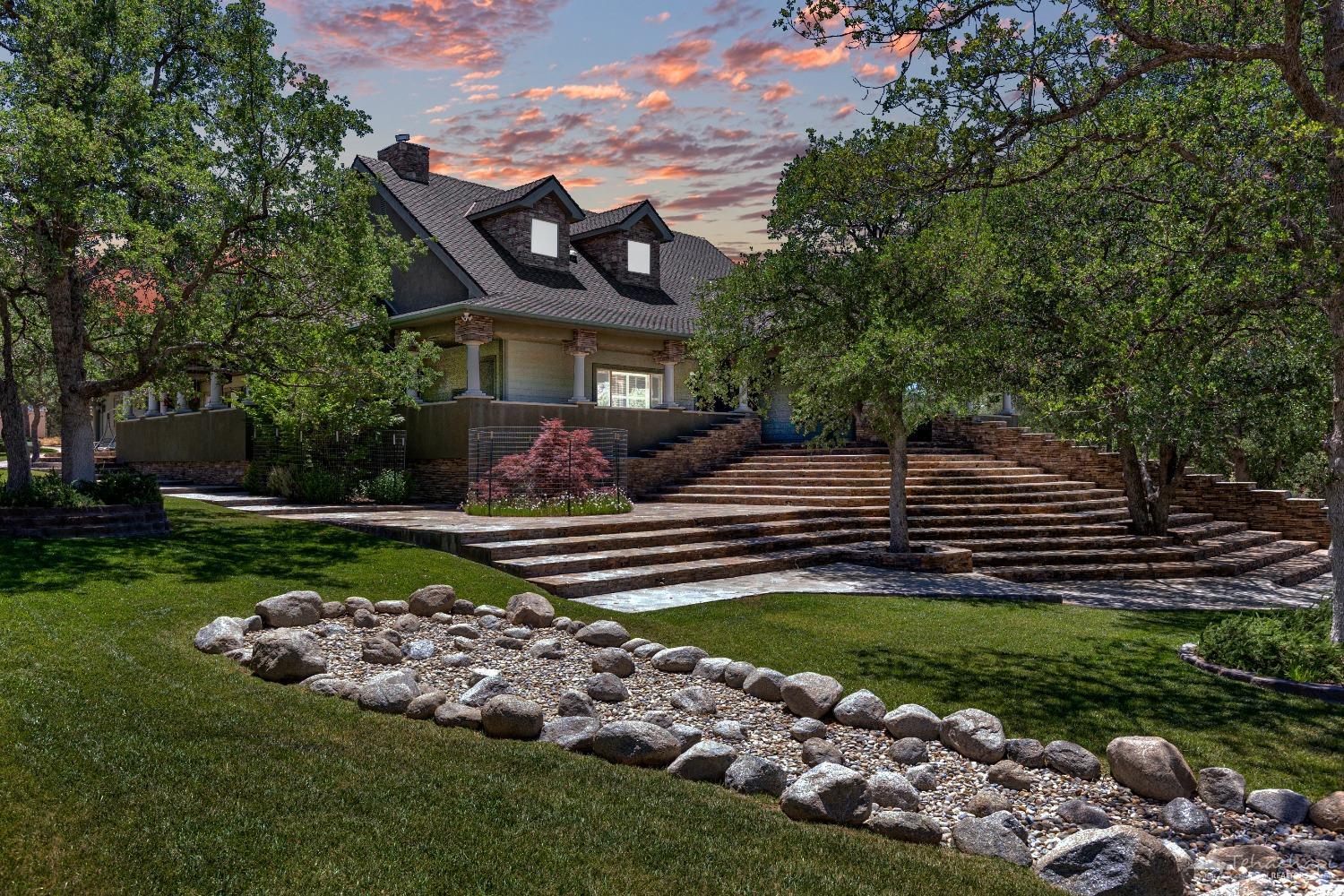
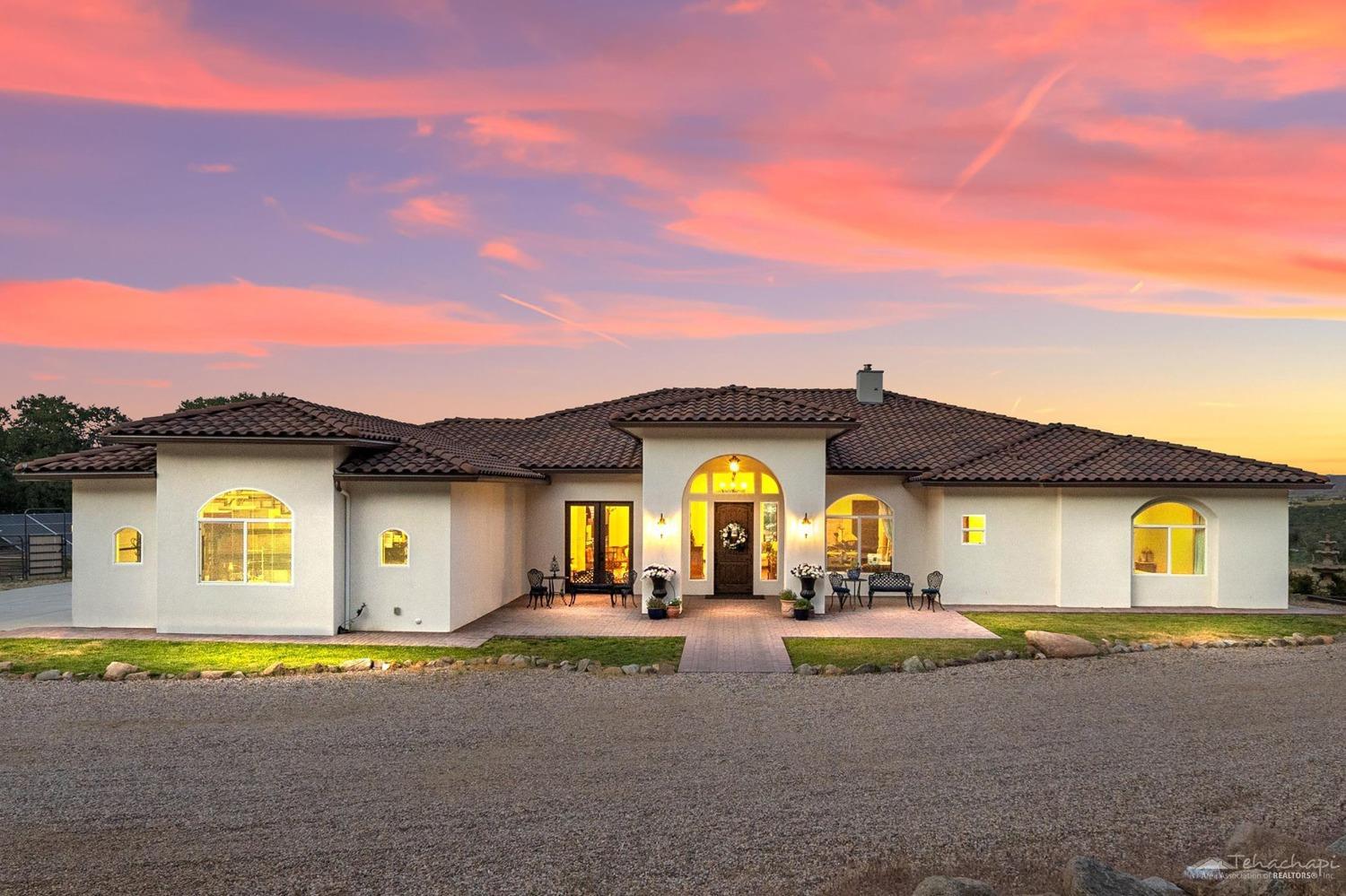
Vacant land is also widely available throughout the greater Tehachapi area, from ready-to-build lots with utilities at the street to raw acreage for those who want to start from scratch. Custom builds are common, and architectural styles run from mountain cabins to Spanish Revivals to modern farmhouses.
What Makes Tehachapi Different
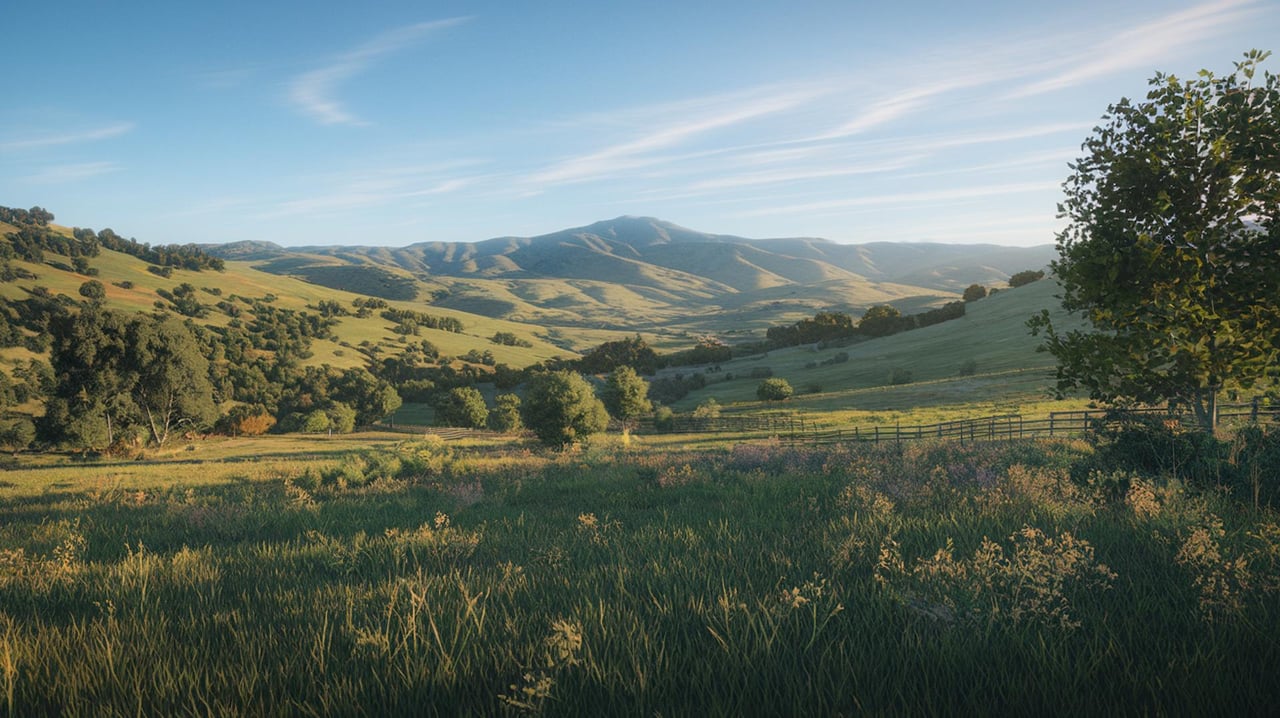
Tehachapi sits at 3,970 feet in the Tehachapi Mountains, occupying the rugged divide between the San Joaquin Valley and the Mojave Desert. That elevation is not incidental to life here. It is the reason the town has four genuine seasons, the reason summer mornings feel crisp when Bakersfield is already approaching triple digits, and the reason people who have lived here for decades tend to stay.
The town's identity was shaped first by the railroad. The Tehachapi Loop, a 19th-century engineering achievement that allowed trains to gain elevation through a spiral of track, is a National Historic Landmark and still one of the best places in California to watch a freight train curl around itself. That spirit of working with difficult terrain rather than around it runs through everything Tehachapi does. The same relentless mountain wind that challenged early settlers was eventually harnessed into one of the world's most recognizable wind energy corridors, where thousands of turbines now line the ridgelines against a backdrop of snow or golden summer grasses depending on the season.
Agriculture is woven just as deeply into the landscape. Tehachapi's elevation and volcanic soil produce heirloom apple varieties that are sold at the local farmers market each fall and have become a regional trademark. A small but serious wine industry has taken hold in recent years, with high-altitude vineyards drawing comparisons to parts of the Central Coast. The proximity to Edwards Air Force Base and Mojave Air and Space Port adds an unusual dimension to the community fabric. Engineers, test pilots, and aerospace contractors have made Tehachapi a quiet residential anchor for the high desert's most technically demanding work, which gives the town an understated sophistication that surprises first-time visitors.
What distinguishes Tehachapi most from other California mountain communities is that it feels lived-in rather than curated. There is no ski resort driving weekend tourism. The historic downtown is genuinely functional, with locally owned restaurants, a hardware store, and a feed supply shop alongside wine tasting rooms and a renovated depot. The pace is unhurried without being sleepy. It is a town where the Friday night high school football game draws the whole community and where the farmers market is a social event as much as a shopping trip. For buyers relocating from the Los Angeles Basin or the Central Valley, that combination of mountain character, true seasonality, and small-town authenticity is exactly what they are looking for and cannot find anywhere closer.
The Tehachapi Real Estate Market
Tehachapi functions as a refuge market. It draws buyers escaping the cost and density of the Los Angeles Basin and the Antelope Valley, as well as those seeking permanent relief from the heat of the San Joaquin Valley floor. What separates it from a typical drive-until-you-qualify market is that people who move here are not simply looking for a lower price point. They are buying into a lifestyle, which creates a more emotionally committed buyer pool and sustains demand even when the broader California market softens.
As of early 2026, the market has settled into a balanced to slightly buyer-friendly position. Inventory remains relatively tight, but the pace has stabilized considerably from the frantic activity of prior years, with a median days on market sitting around 78 days. Sellers need patience; buyers have more room to negotiate than they have in recent memory.
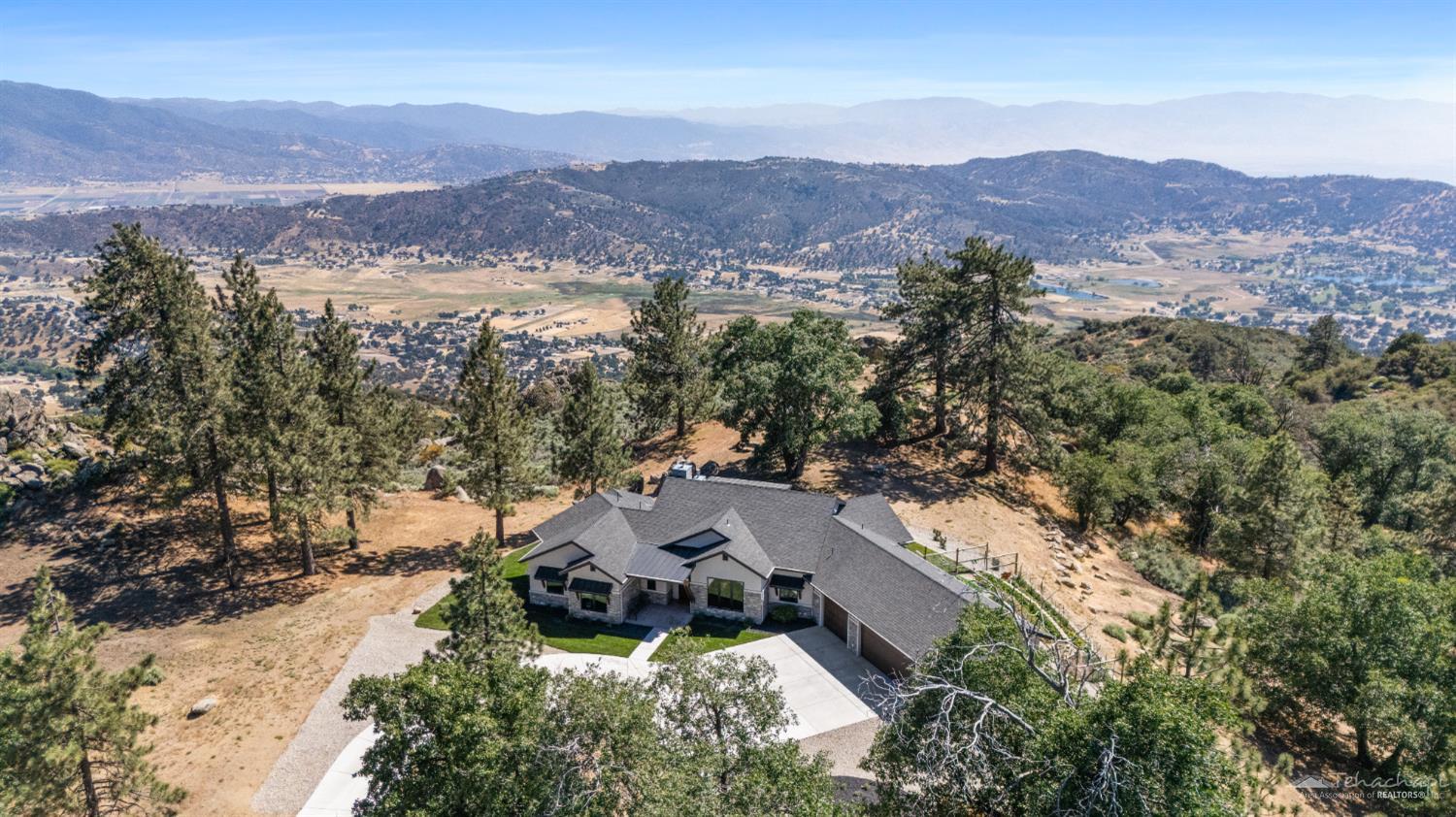
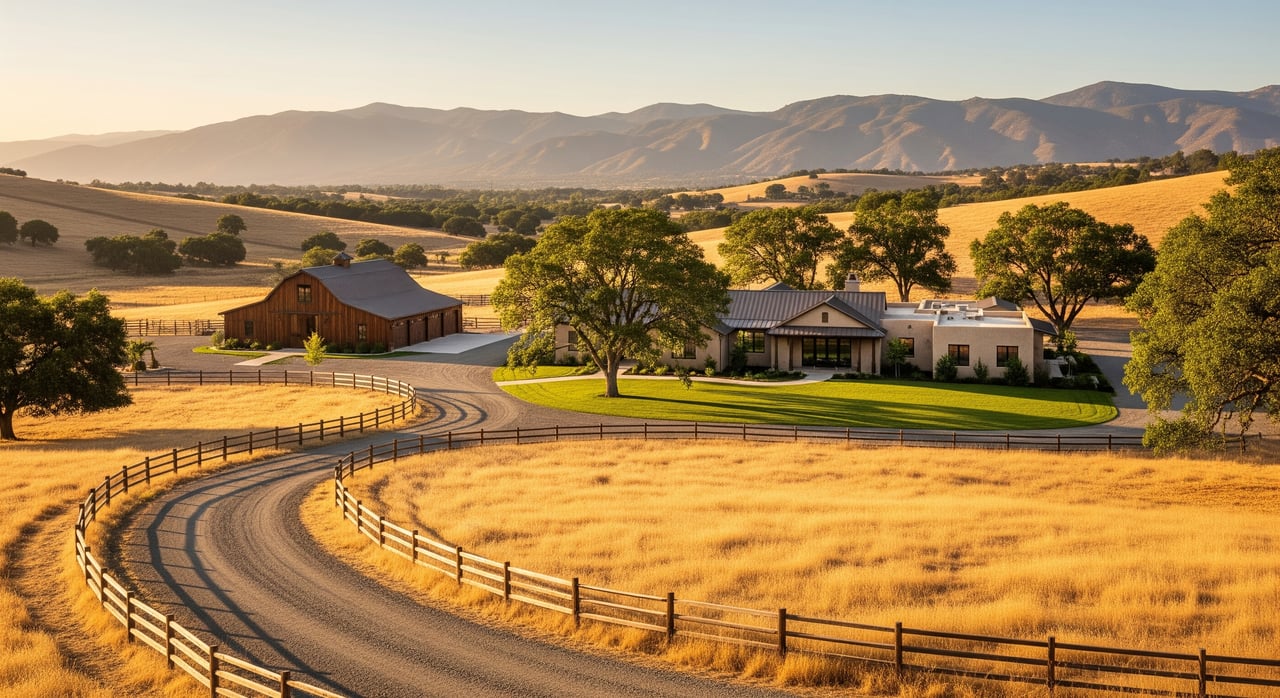
Price ranges break down roughly as follows. Entry-level homes in the $300,000 to $400,000 range are typically older ranch-style properties or smaller cottages near the city center. The mid-range between $450,000 and $650,000 represents the market's sweet spot, covering newer builds in Bear Valley Springs or Golden Hills with more than 2,000 square feet and lots between half an acre and two acres. Custom-built mountain estates, often equestrian-focused with panoramic views, generally start at $750,000 and climb from there.
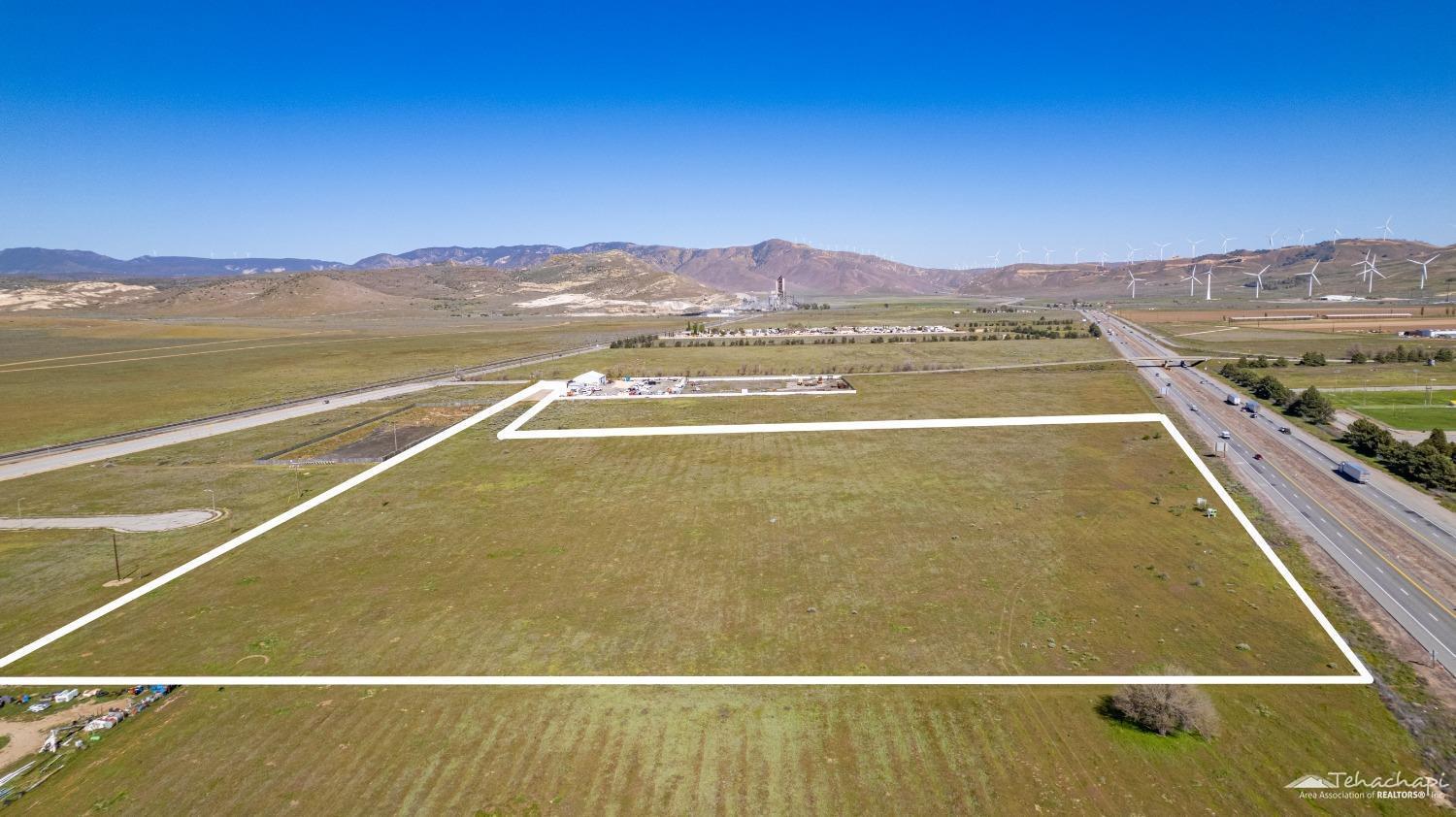
The land market deserves separate consideration. Tehachapi offers a build-your-own opportunity that is increasingly rare in Southern California. Vacant lots in Golden Hills and Stallion Springs regularly come to market under $50,000 for a quarter to one acre, though the cost of drilling a well or connecting to a Community Service District carries significant weight in the total calculation. Buyers interested in land should account for utility access, soil conditions, and Kern County's fire safety requirements before committing.
Three forces sustain demand in this market. The first is the aerospace and defense sector. Professionals working at Edwards Air Force Base, Mojave Air and Space Port, and Northrop Grumman accept a 30 to 45-minute commute in exchange for clean air, quiet streets, and home prices that are a fraction of what they would pay in the Antelope Valley. The second is climate migration. As triple-digit summers become routine in the valley, Tehachapi's consistent 10 to 15-degree temperature advantage pulls retirees and remote workers who no longer need to be tethered to urban employment. The third is equestrian and outdoor culture. Communities like Bear Valley Springs, with more than 50 miles of private hiking and horse trails, attract a buyer who is not shopping on the same metrics as a suburban homeowner. That specificity creates real pricing premiums in the right properties.
One element of location that local buyers quickly learn: elevation within Tehachapi matters as much as neighborhood. Properties above the fog line but below the heaviest snow accumulation tend to command a quiet premium, offering mild winters and clear views without the maintenance burden of higher-altitude lots.
Buying a Home in Tehachapi
Purchasing a home in Tehachapi involves the standard arc of California real estate, but with several layers of local nuance that can catch unprepared buyers off guard. Working with an agent who knows this specific market is not a formality; it is a practical necessity.
Start with location and financing. Before you begin touring, it helps to understand where in the Tehachapi area you want to be and what that means for your loan options. Buyers drawn to the rolling hills east of the city or the wider ranch parcels in the outlying areas may have access to a financing tool that many first-time buyers overlook. Because much of the region is classified as rural by the USDA, a significant number of properties qualify for zero-down USDA financing, which can dramatically change the math on a purchase, particularly for buyers who are relocating from a high-cost area and have not yet built significant equity to roll into a down payment.
Making a competitive and protected offer. The Tehachapi market rewards offers that are well-constructed, not just well-priced. Contingencies carry particular weight here because mountain properties introduce variables that a standard suburban transaction does not. An inspection contingency should be written broadly enough to cover well-water testing and septic certification, not just the structure itself. An insurance contingency is worth including given that many Tehachapi zip codes carry a Severe fire risk designation, making it prudent to confirm a homeowners insurance binder or a FAIR Plan quote before you remove contingencies. An appraisal contingency gives you a defined path if the home's valuation comes in below contract price, which is a realistic scenario for custom or rural properties where comparable sales can be scarce.
The investigative phase. Once your offer is accepted, the first week of escrow typically brings the preliminary title report, and in Tehachapi, this document warrants careful review. Easements are common in rural properties, whether for utility access, shared road maintenance, or neighboring agricultural use. If you are purchasing in a managed community like Bear Valley Springs or Stallion Springs, the CC&Rs govern everything from exterior paint colors to livestock limits, and understanding those restrictions before you close is essential. Your agent should walk you through the title report line by line so that nothing in Schedule B surfaces as a surprise after closing.
Closing with confidence. The final walkthrough in a mountain property should go beyond condition verification. Confirm that any required fire-safe maintenance or weed abatement has been completed, and that the well and septic systems are in the agreed-upon state. For a full picture of what the timeline looks like from pre-approval through close, this step-by-step buying guide walks through the process with checklists built specifically for Tehachapi's local conditions.
Selling Your Home in Tehachapi
Selling in Tehachapi is not the same as selling in a valley suburb. The properties here are more varied, the buyer pool is more targeted, and the transactional friction points are more specific. Sellers who understand what makes this market distinct tend to close smoother and at better prices than those who approach it with a generic playbook.
Timing your listing. Tehachapi has a genuine seasonal rhythm. The spring market is real and meaningful. As snow melts on the upper peaks and the apple orchards begin to bud, buyer activity rises sharply. A March or April listing reaches the most active pool of families who want to be settled before the school year begins. That said, the current market requires realistic expectations. With a median days on market of around 78 days, Tehachapi is running at a pace that rewards patient, well-prepared sellers and punishes overpriced listings that go stale.
The appraisal gap problem. One of the most common and most avoidable complications in a Tehachapi sale involves the appraisal. Because many properties here are custom-built, sit on unique acreage, or include features like high-yield wells and equestrian infrastructure, appraisers often struggle to find clean comparable sales. An appraiser relying on a comp from a different elevation, a different community, or a home without mountain-specific improvements can produce a valuation below the contract price, and that gap creates real problems for both sides of the transaction. The most effective sellers proactively document the property's distinguishing features before listing: the well yield, fire-retardant roofing specifications, advanced HVAC systems, and any equestrian facilities. Giving an appraiser concrete data makes it easier to justify your price rather than leaving it to inference.
Curb appeal has a different definition here. In Tehachapi, a maintained defensible space perimeter is as much a part of presentation as fresh landscaping. Buyers relocating from urban areas notice and appreciate evidence that a property has been managed responsibly for fire safety. Sellers who handle their brush clearance and weed abatement before listing, rather than after an inspection report surfaces the issue, move through escrow faster.
Septic systems deserve early attention. Roughly 18 percent of rural sales in the region encounter delays tied to Onsite Wastewater Treatment System failures. Having your septic inspected and pumped before you go under contract removes one of the more expensive and disruptive surprises from the process.
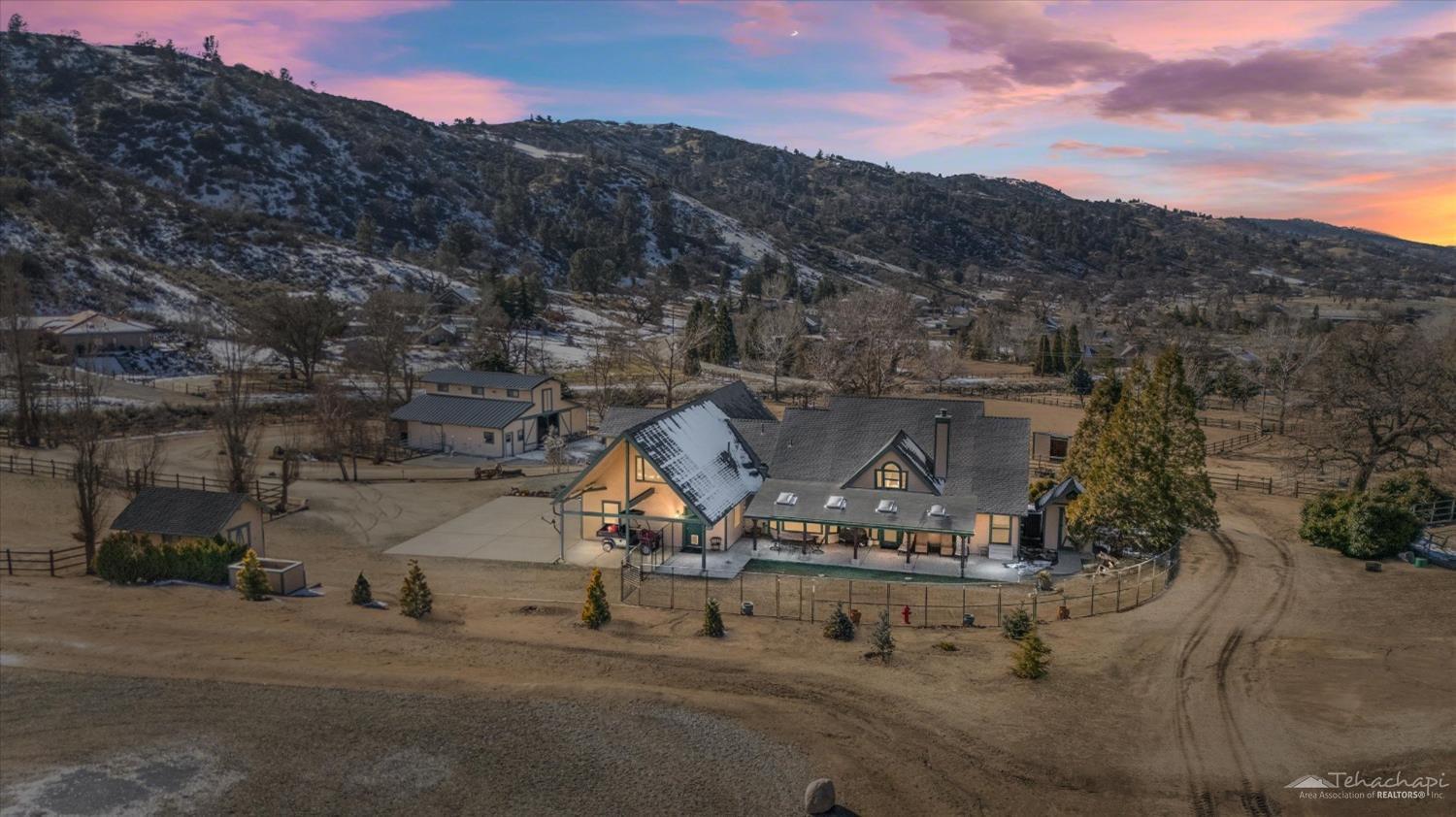
Pricing for today's buyer. In the current balanced market, aspirational pricing tends to backfire. Homes that are listed above where comparable data supports them accumulate days on market, often requiring price reductions that attract lower offers than a well-priced listing would have generated from the start. The more effective strategy is to price conservatively with the goal of generating genuine competition. Because a significant portion of Tehachapi buyers are relocating from out of the area and making decisions partially or entirely online, professional drone photography is not optional. Aerial imagery showing a home's relationship to the surrounding peaks and open landscape is often what converts a distant buyer from browsing to scheduling a showing.
Four-Season Mountain Climate
Here's the detail that surprises nearly every buyer: Tehachapi has real seasons. It's in Kern County, which people associate with brutal valley and desert heat, but the 4,000-foot elevation rewrites the rules entirely.
Summers stay comfortable — daytime highs usually sit in the mid-80s to low 90s while Bakersfield and Lancaster routinely blow past 100°F. Thanks to the altitude and low humidity, temperatures drop fast after sunset, and a light jacket in August isn't unusual. Spring brings wildflowers and crisp mornings; autumn delivers genuine fall foliage and a sharp drop in temperature that local orchards and vineyards depend on.
Winter is the real novelty. Temperatures regularly fall below freezing from December through February, and the area averages roughly 15 to 20 inches of snow a year, with the higher-elevation communities like Bear Valley Springs getting considerably more. A few times each winter, a heavy storm — locals call it a "Tehachapi whiteout" — can dump enough snow to temporarily close Highway 58 through the pass. It's worth budgeting for winter readiness, but for most buyers the trade is exactly the point: four real seasons in Southern California.
Equestrian & Ranch Living
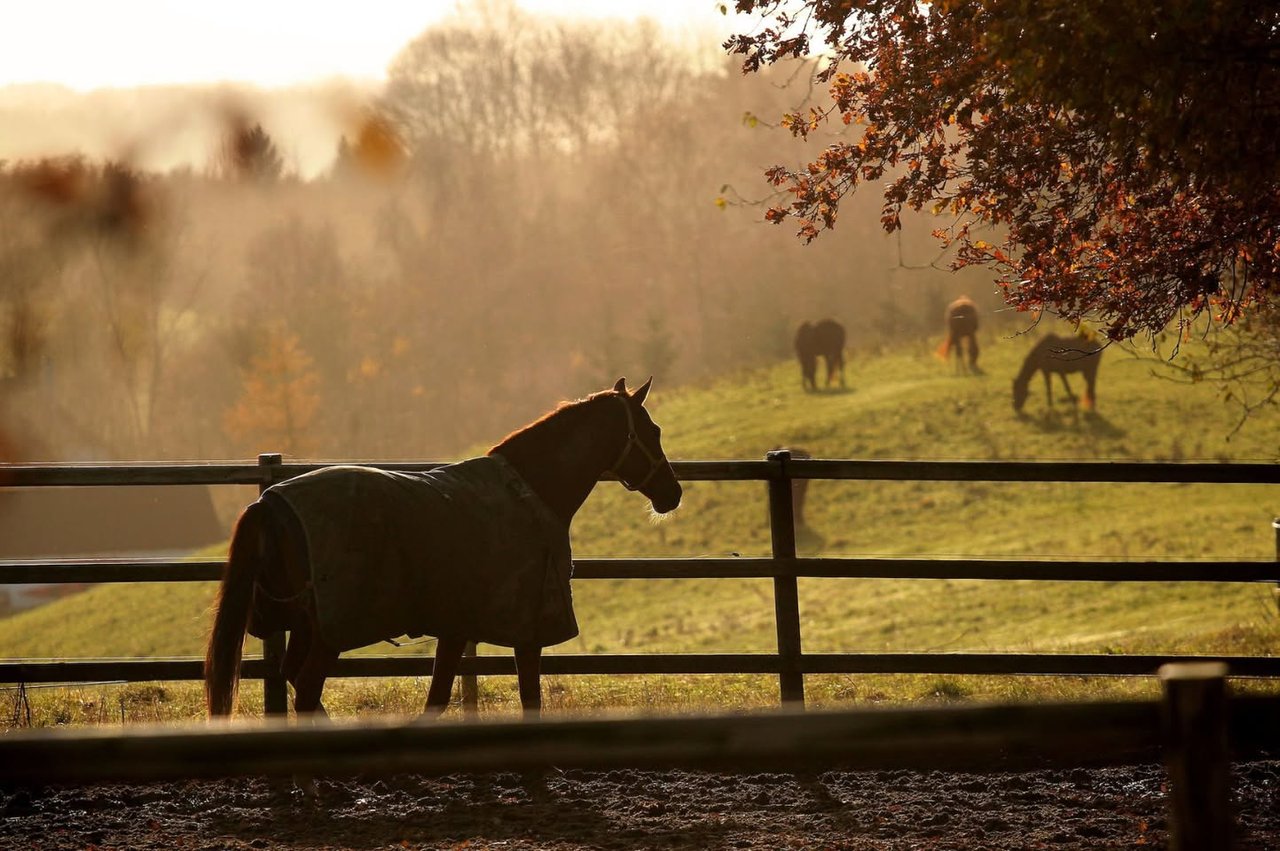
Tehachapi is one of the most horse-friendly regions in California, and that's not an accident of marketing — it's built into the zoning. Much of the greater Tehachapi area is zoned to protect agricultural and equestrian use, which is increasingly rare in the state.
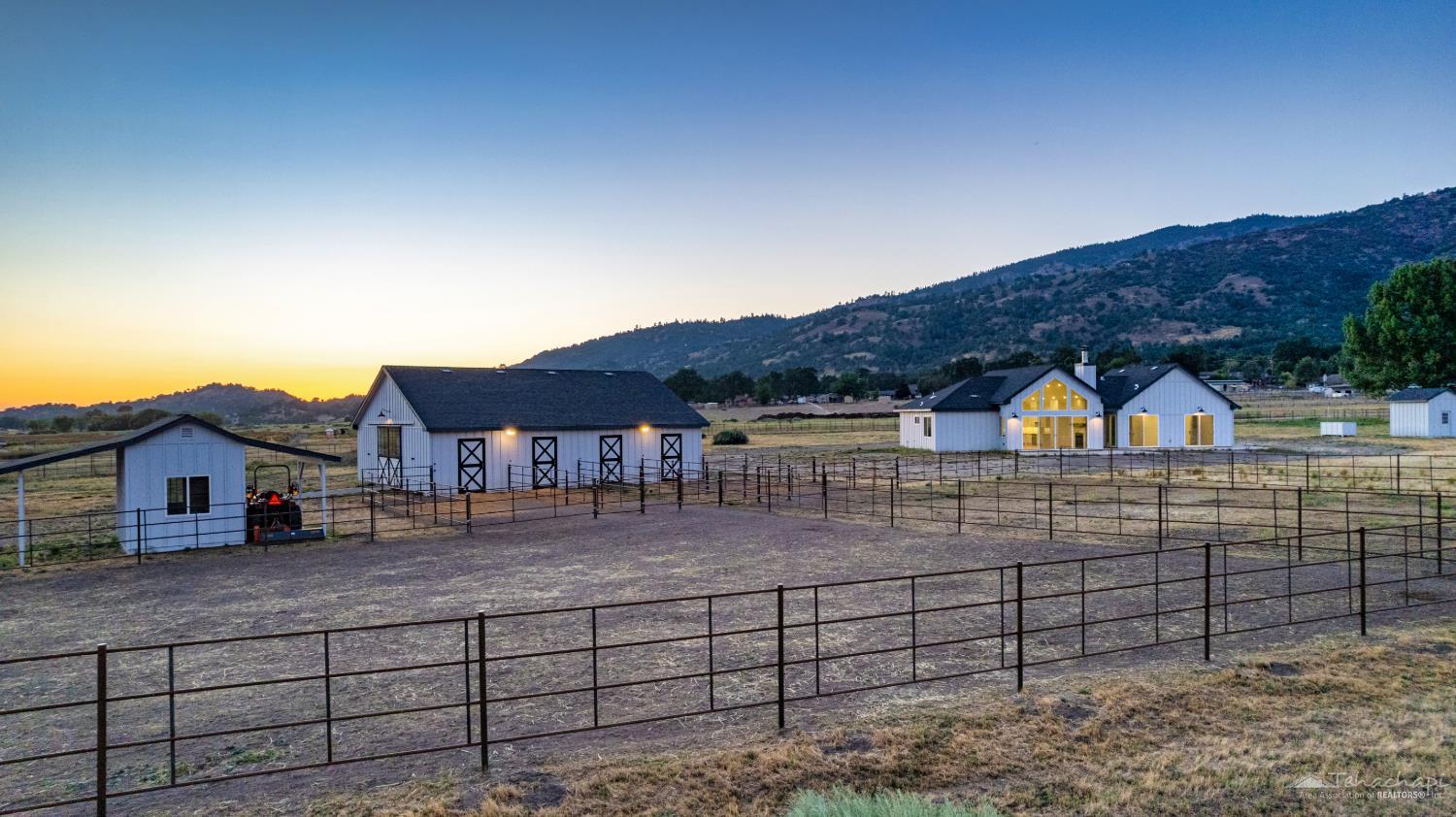
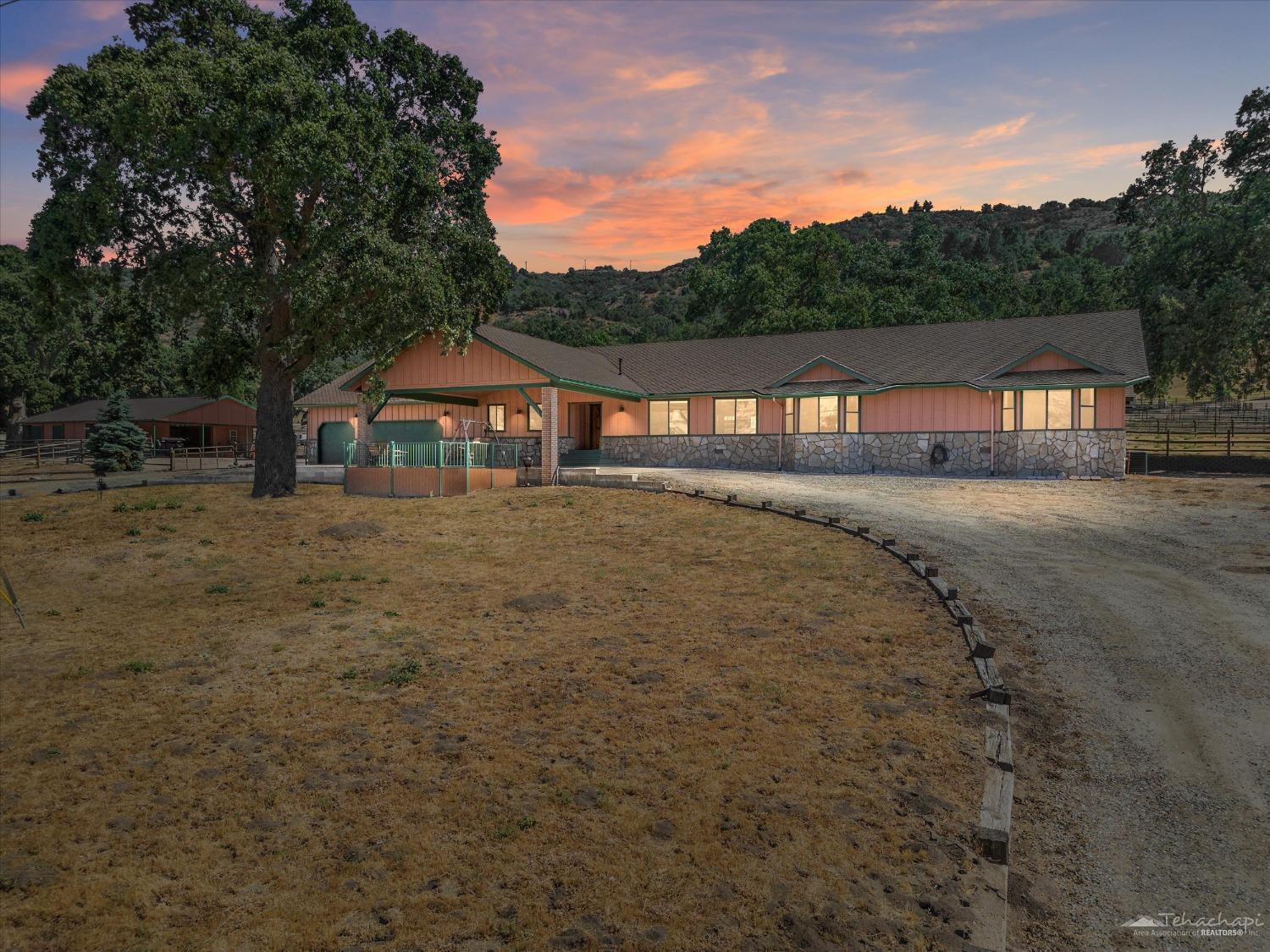
Bear Valley Springs is the gated gold standard, with a dedicated equestrian center, boarding facilities, two large arenas, and over 50 miles of interconnected private trails winding through oak and pine. For those who'd rather skip the HOA, Golden Hills, Stallion Springs, and the outlying valleys offer properties from two to twenty-plus acres where owners build their own barns, turnouts, and arenas on their own terms.
The horse culture here is a lifestyle, not just an amenity. The town runs regular rodeos, barrel racing, gymkhanas, and trail-riding clubs, and the real draw for many buyers is simple: step out the back door, saddle up, and ride straight into the wilderness without ever hooking up a trailer.
Lifestyle and Local Highlights
Dining and Drink
For a town of its size, Tehachapi has a surprisingly deep food scene, dominated by locally owned spots rather than chains.
- Jake's Steakhouse: The go-to for a special night out. Prime rib, lobster tail, and a full bar in a comfortable setting.
- Kohnen's Country Bakery: Authentic German bakery and cafe in downtown, serving bratwurst, schnitzel, fresh pretzels, and European-style baked goods.
- Kelcy's: The oldest restaurant in Tehachapi. Classic American diner with breakfast all day, fresh-squeezed OJ, and a loyal local following.
- Red House BBQ: Barbecue with a Native American influence on East Tehachapi Boulevard.
- Thai Hachapi: Authentic Thai food that regularly draws praise from locals and visitors.
- Namaste-ji: Tehachapi's Indian restaurant, with a spacious dining room, fireplace, and solid chicken tikka masala.
- Burger Spot: A Tehachapi institution since 1956, known for the ostrich burger and hand-scooped ice cream.
- Perfetto Italian Restaurant & Two Brothers From Italy: Two solid Italian options for pasta and pizza nights.
The area also has boutique wineries with tasting rooms (including Tehachapi Wine and Cattle Co.) and craft breweries with live entertainment and food vendors. A weekly Farmers Market runs seasonally downtown.
Outdoors and Recreation
This is where Tehachapi really shines. The elevation and geography create conditions for almost every outdoor pursuit.
The Pacific Crest Trail passes through the area, giving hikers access to one of the most famous long-distance trails in the country. The Lehigh Trail system is a local favorite for mountain bikers and trail runners. The Tehachapi Mountain Trails Association maintains a network of multi-use trails for hiking, biking, and horseback riding across the region.
Brite Lake (also called Jacobsen Reservoir) is open year-round for camping, fishing, hiking, and wildlife viewing, with RV hookups, tent sites, and picnic pavilions. Tehachapi Mountain Park, operated by Kern County, offers camping at higher elevation with forest trails.
Gliding and soaring are a big deal here. Skylark North, a full-service glider flight school, takes advantage of the exceptional lift conditions created by the Sierra Nevada, Tehachapi Mountains, and Mojave Desert. The Tehachapi Gran Fondo, a mass cycling event each September, has been named Best Century by Cycle California magazine. Pickleball courts have been added in both the city and Stallion Springs for the sport's growing fanbase.
Local Tip: Tomo-Kahni State Historic Park, a Kawaiisu Native American site on a ridge overlooking Sand Canyon, is only accessible via docent-led tours in spring and fall. Book early because spots fill fast.
Schools and Families
The Tehachapi Unified School District serves about 4,900 students across several elementary schools, a middle school, and Tehachapi High School. Families appreciate the smaller class sizes and strong parent-teacher networks. Heritage Oak School is a private option, and Cerro Coso Community College has a Tehachapi branch for college-level coursework. The Kern County Library Tehachapi branch rounds out educational resources.
Community Events
Tehachapi's calendar stays full.
The Tehachapi Mountain Festival (August) is a two-day event at Philip Marx Central Park featuring live music, a PRCA-sanctioned professional rodeo, a 5K run, a parade, food vendors, arts and crafts, and a Maker's Market hosted by the Tehachapi Valley Arts Association. It draws thousands and has been running for over 60 years.
The Tehachapi Apple Festival (October) celebrates the area's apple-growing heritage with over 100 craft vendors, live music, pie-eating and pie-baking contests, a carnival, and the famous apple drop from a crane (closest to the target wins prizes). It regularly attracts over 10,000 visitors.
Other community touchpoints include the Tehachapi Symphony Orchestra, the Tehachapi Community Theater (performing at the restored downtown BeeKay Theater), a Fourth of July celebration, regular Coffee with the Mayor meetups, and seasonal events at the Tehachapi Depot Railroad Museum.
Schools, Services, and Getting Around
Education. Tehachapi is served by the Tehachapi Unified School District, which operates three elementary schools (Cummings Valley, Golden Hills, and Tompkins), Jacobsen Middle School, and Tehachapi High School. High school sports, particularly football, carry real cultural weight in this community. Friday night games at the high school stadium draw broad participation from families across the area and function as one of the town's most consistent social anchors. Families seeking alternatives have access to several charter options, private parochial schools, and an established homeschooling network that uses the surrounding landscape as a genuine educational resource.
Utilities and community services. This is where local knowledge matters most. If you are purchasing in Bear Valley Springs or Stallion Springs, your utilities, road maintenance, and in some cases security services are managed through a Community Service District rather than the city or county. CSD dues are higher than standard municipal fees, but they typically correspond to faster snow removal, maintained private roads, and community amenities that unincorporated county areas do not provide. Water is a separate and significant consideration. City water service is available in and near the downtown core, but much of the broader Tehachapi area relies on private wells. Well yield, water rights, and long-term water availability are legitimate due diligence items in any rural purchase here. For power, Southern California Edison serves the area, and backup generators are common among homeowners in locations prone to high-wind safety shutoffs during red flag conditions.
Healthcare. Adventist Health Tehachapi Valley is a full-service hospital located within the city, capable of handling most acute care needs. For specialized treatment or major procedures, residents typically travel to Bakersfield, roughly 45 minutes west, or to facilities in the Antelope Valley.
Getting around. Highway 58 is the spine of Tehachapi's connection to the outside world. Bakersfield is approximately 45 minutes to the west. Mojave and Edwards Air Force Base are 25 to 40 minutes east. Los Angeles is roughly two hours south under normal conditions. Winter changes the calculation. Between December and March, the Tehachapi Pass can require tire chains, and in significant snow events Caltrans occasionally closes Highway 58 entirely. Locals keep their gas tanks full, their pantries stocked, and their vehicles capable. A high-clearance or four-wheel-drive vehicle is a practical near-necessity for anyone on unpaved mountain roads during the rainy or snowy months. Tehachapi Transit operates a local dial-a-ride service and a commuter bus connection to Bakersfield, though the majority of residents depend on personal vehicles for daily life. For those in the general aviation community, Tehachapi Municipal Airport is a genuine local gem. Its position in the mountain wind corridor makes it one of the premier glider destinations in the state, and the airport has a regular social presence on weekends.
Frequently Asked Questions About Tehachapi
Is Tehachapi a good place to live? For people looking for affordable California living with clean air, four seasons, outdoor access, and a genuine small-town feel, Tehachapi checks a lot of boxes. It's especially popular with families, retirees, remote workers, and anyone who has grown tired of the heat and congestion in Bakersfield, the Antelope Valley, or greater Los Angeles. The trade-off is that it's a smaller town, so you won't find the same shopping, nightlife, or medical options as a larger city. Most residents consider that a fair deal.
Does it snow in Tehachapi? Yes. Tehachapi gets occasional snowfall in the winter months, which is part of its four-season appeal. Snow events are typically moderate and short-lived rather than severe. It's enough to enjoy a white winter morning without the extended shutdowns you'd see in higher mountain towns. Summer highs generally stay in the low to mid-80s, making Tehachapi significantly cooler than Bakersfield or the Mojave Desert below.
How far is Tehachapi from Bakersfield and Los Angeles? Tehachapi is about 35 miles (roughly 40 minutes) east-southeast of Bakersfield via Highway 58. Los Angeles is approximately 110 miles south, usually about a two-hour drive depending on traffic. Lancaster and Palmdale in the Antelope Valley are around 50 to 60 miles away. Edwards Air Force Base is also within commuting distance.
What are the best neighborhoods in Tehachapi? It depends on what you're looking for. The city core and Golden Hills work well for buyers who want walkability and easy access to shops, schools, and restaurants. Bear Valley Springs is the top choice for those who want acreage, gated privacy, equestrian facilities, and a country club lifestyle. Stallion Springs offers a similar gated-community feel on a slightly smaller scale. Alpine Forest and Mountain Meadows are ideal for anyone who wants seclusion, trees, and a more rural setting. Cummings Valley and Brite Valley appeal to small-farm and ranch buyers.
Is Tehachapi safe? Tehachapi's crime rates run well below the California state average. Residents frequently cite the town's safety and neighborly atmosphere as primary reasons for choosing to live here over larger cities. The Tehachapi Police Department handles law enforcement within the city limits, and the Kern County Sheriff's Office covers unincorporated areas.
What is the Tehachapi Loop? The Tehachapi Loop is a historic railroad spiral completed in 1876 by the Southern Pacific Railroad. It allows trains to gain elevation through a 360-degree loop, and on long freight trains, the locomotive actually passes over the tail end of its own train. It's a designated California Historical Landmark and a world-famous railfan destination. You can watch trains navigate the loop from a viewing area off Woodford-Tehachapi Road.
Can I build a custom home in Tehachapi? Absolutely. Vacant land is widely available throughout the greater Tehachapi area, from finished lots with utilities already at the street to larger raw parcels. Custom builds are common, and you'll see everything from mountain cabins and log homes to Spanish Revivals and modern farmhouses. Some areas in Alpine Forest and Mountain Meadows are partially or fully off-grid, so buyers should verify utility access and well requirements on a property-by-property basis.
What is there to do in Tehachapi? Outdoor activities dominate: hiking, mountain biking, camping, fishing, horseback riding, cycling, gliding, and sport shooting are all readily available. The town also has a growing arts and culture scene, including the Tehachapi Symphony Orchestra, community theater at the BeeKay Theater, local wineries and breweries, and a weekly Farmers Market. Major annual events include the Mountain Festival (August), the Apple Festival (October), the Gran Fondo cycling event (September), and Fourth of July celebrations with a professional bull riding event.
Is Tehachapi good for remote workers? Yes, and it's become a significant draw. The combination of lower cost of living, reliable internet access in most developed areas, and a high quality of life makes Tehachapi attractive to professionals who no longer need to be in a city office. Many newer residents are remote workers who traded a commute for mountain views and more square footage for the same (or less) money.
Work With Theresa
Theresa Mann has been a Tehachapi local for more than 40 years and a practicing Realtor for over two decades. She specializes in homes, ranches, and raw land, with additional experience in commercial transactions, water rights, and agricultural sales across Tehachapi, Bear Valley Springs, Stallion Springs, Cummings Valley, Golden Hills, Brite Valley, and the surrounding communities. She has been voted Tehachapi's Best and Favorite Realtor for six consecutive years by community vote, and ranked as the number one agent in total sales volume, GCI, and unit count at Keller Williams in 2021, 2022, and 2023.
What that record reflects is not just production volume. It reflects what happens when an agent genuinely knows the market she is selling, understands the specific complications that mountain and rural properties introduce, and operates with the kind of long-term local credibility that only comes from decades of consistent service to the same community.
If you are considering a move to Tehachapi, or if you are ready to list your home and want an agent who can navigate the nuances of this market with precision, Theresa is ready to help.
Call or text: (661) 205-4088 Email: [email protected]