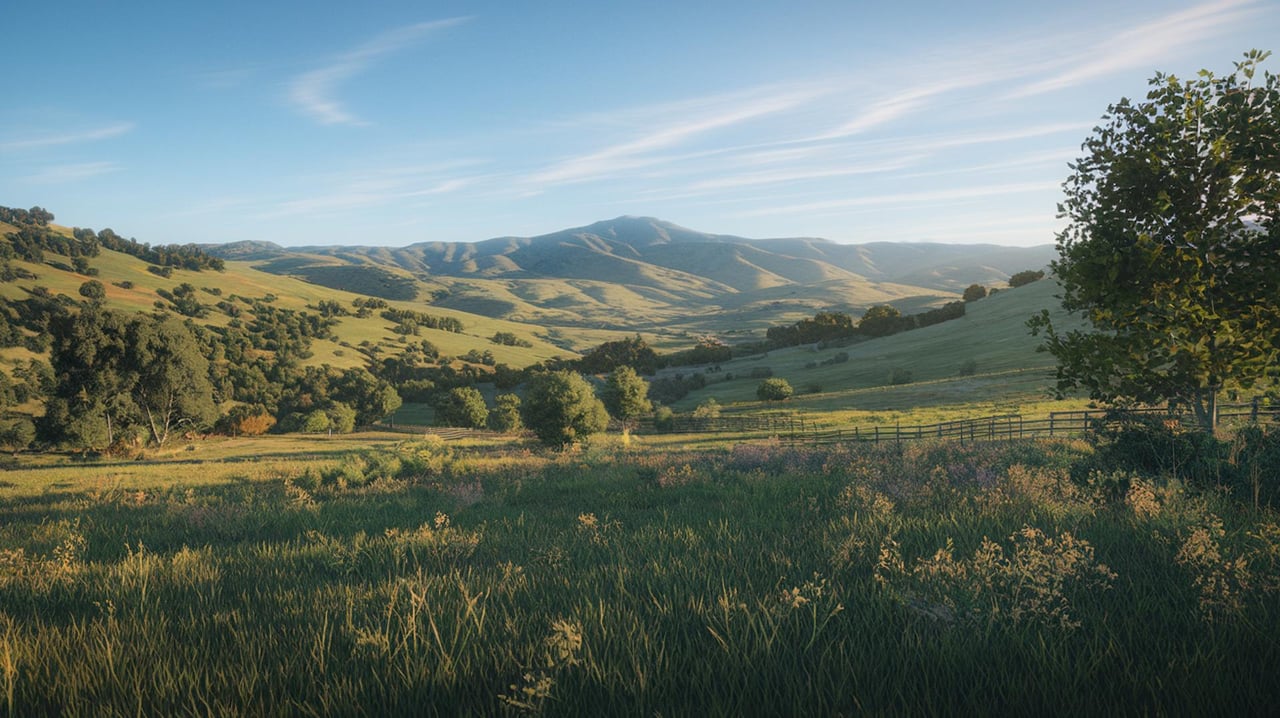
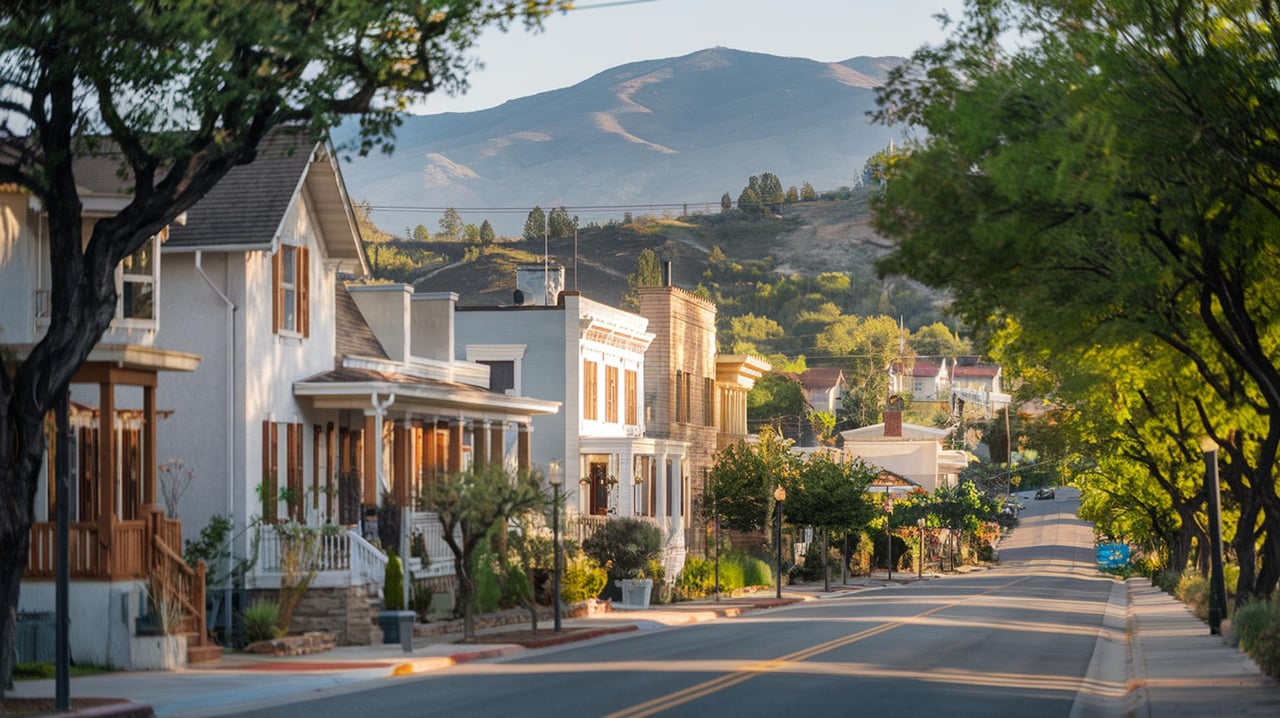
Tucked into the foothills of the Tehachapi Mountains in Kern County, Stallion Springs is the kind of place people choose on purpose. It's an unincorporated community of roughly 3,000 residents where rolling hills, wide valleys, and panoramic ridgeline views replace the noise and congestion of city living. The feel here is distinctly rural and small-town, yet the community stays tight-knit and welcoming rather than isolated.
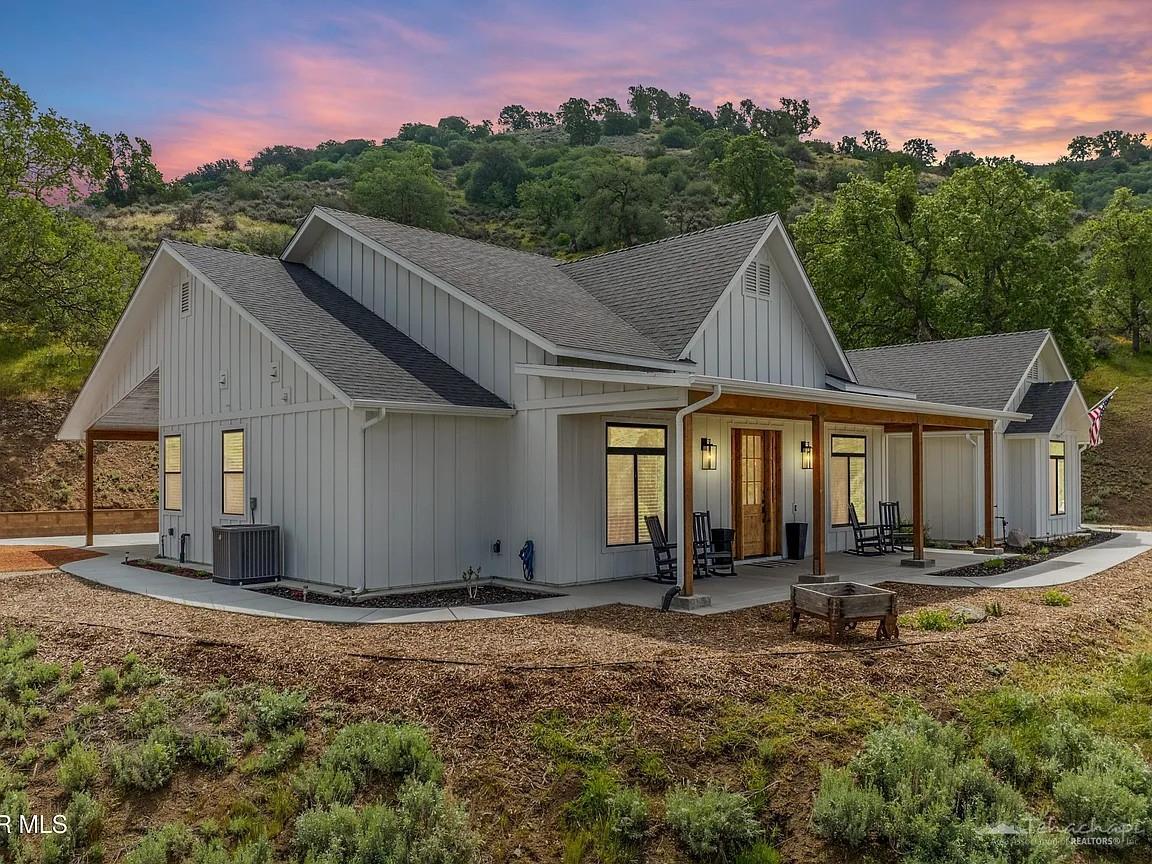
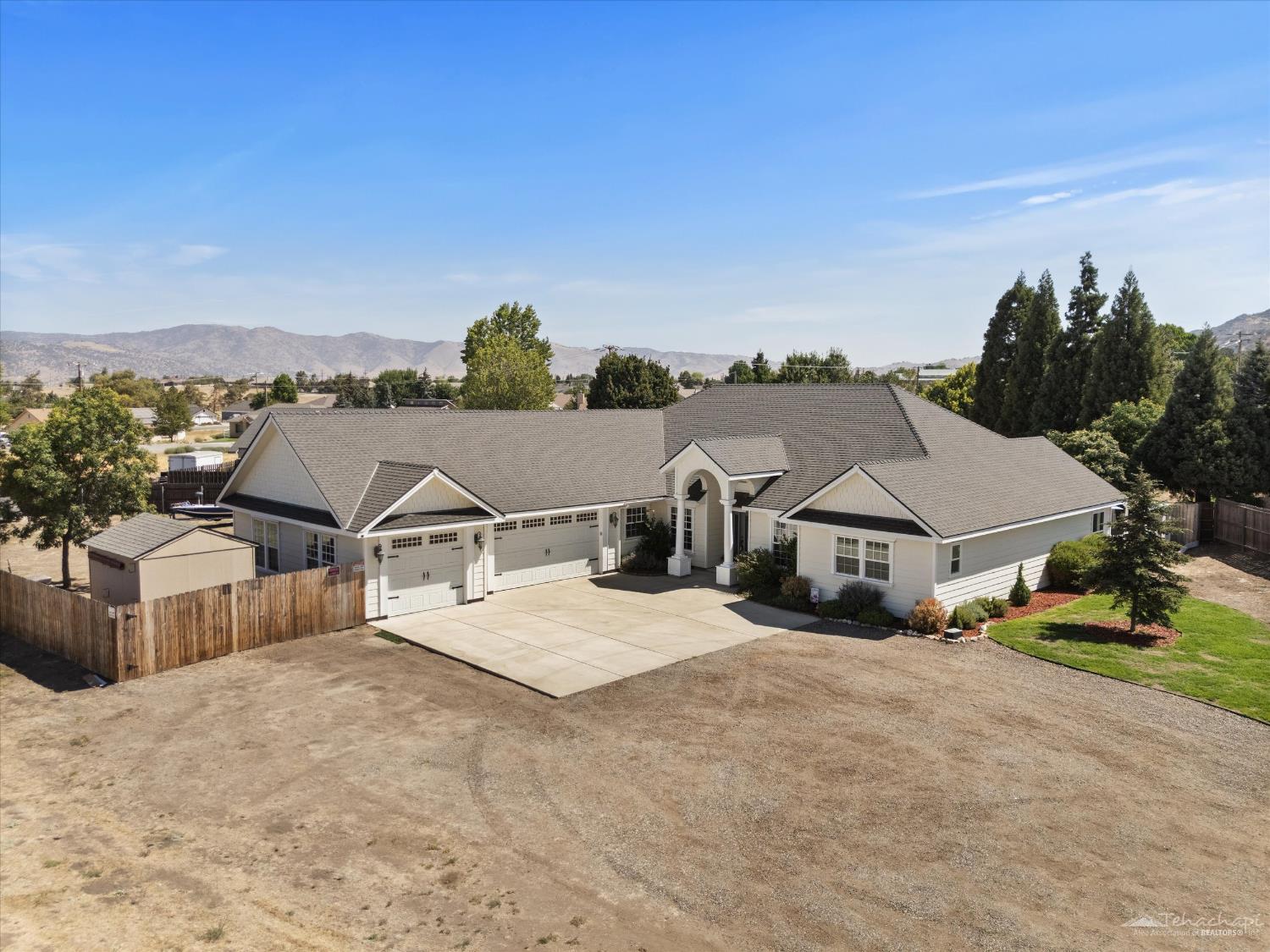
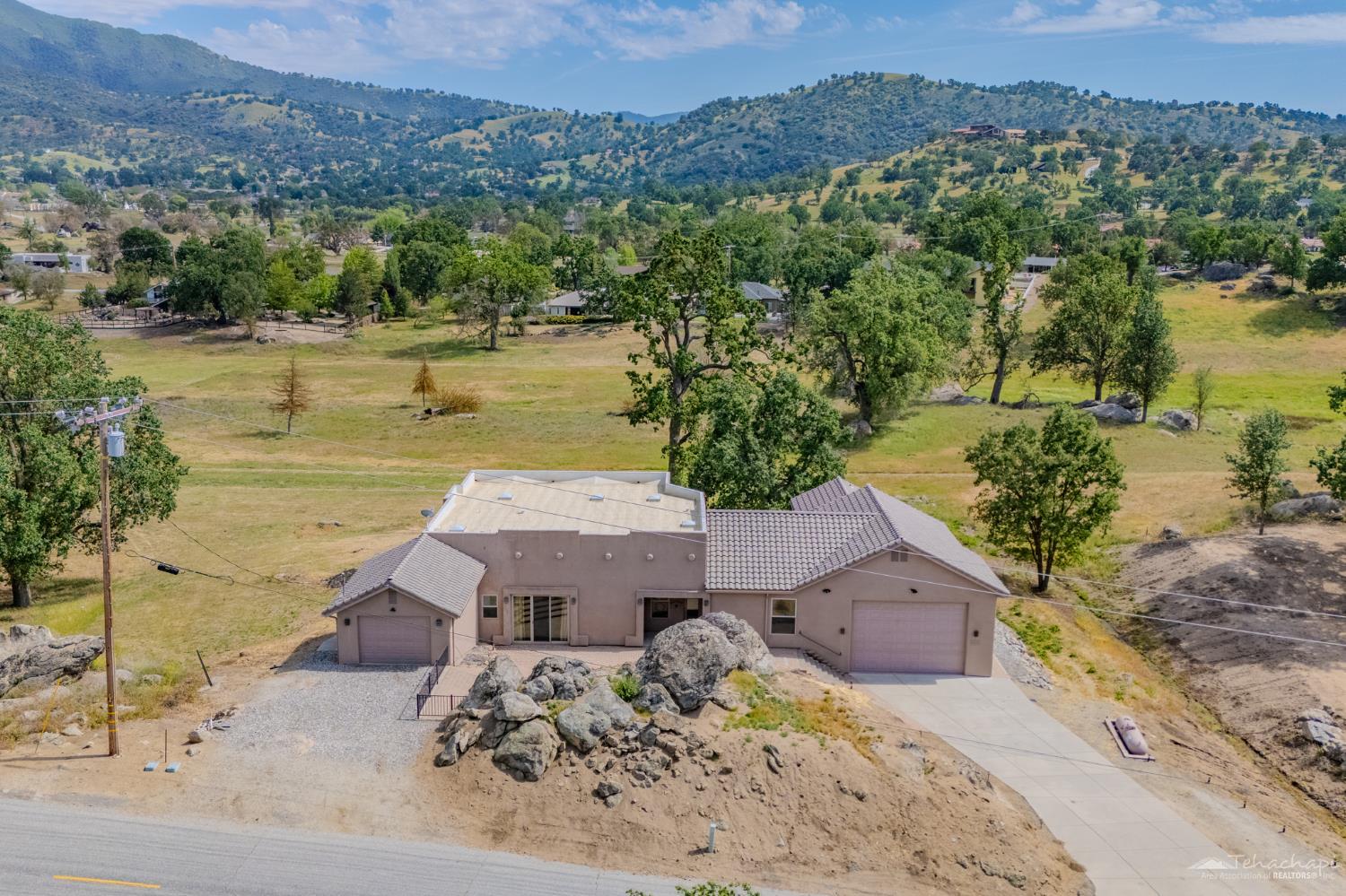
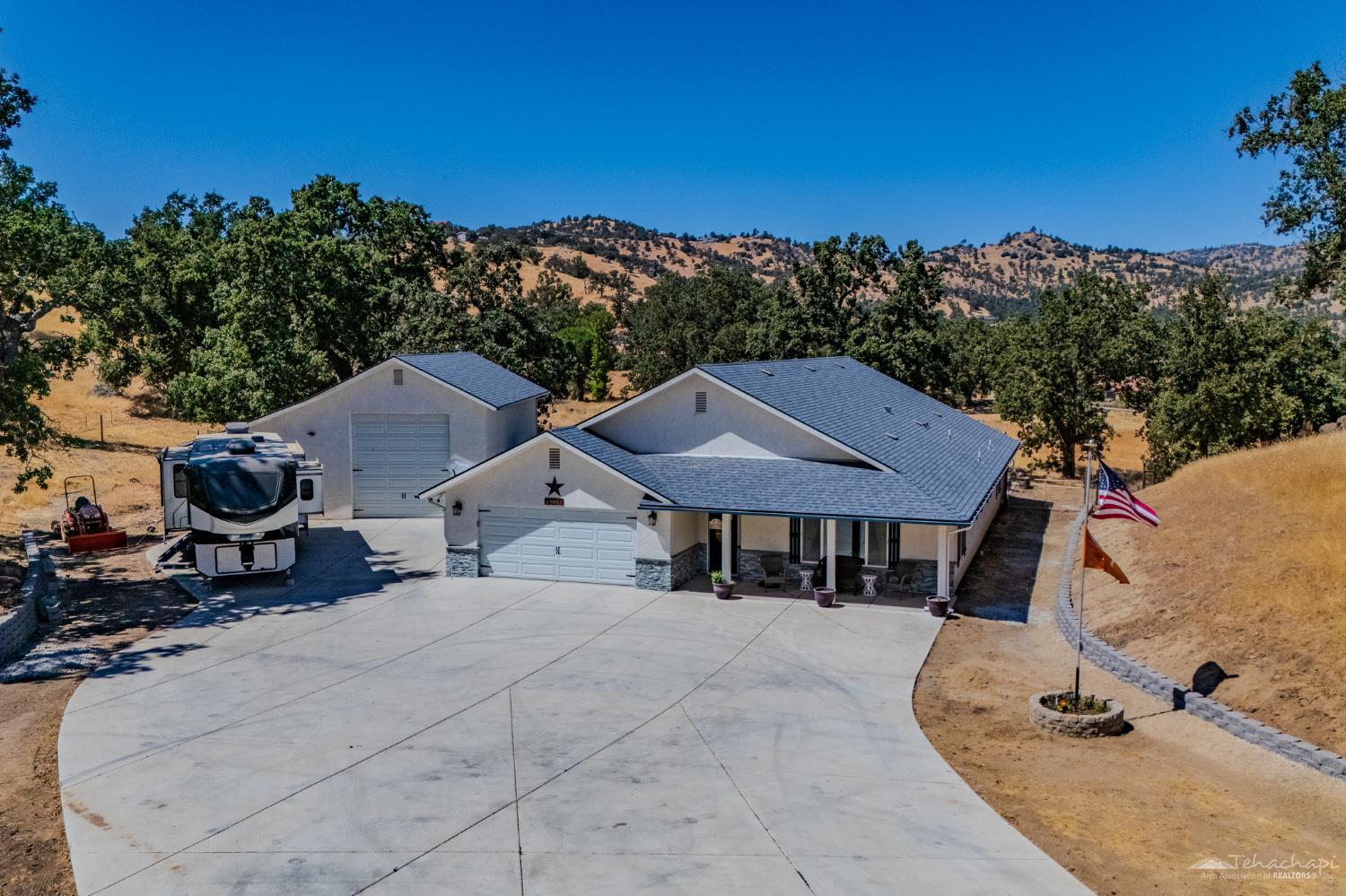
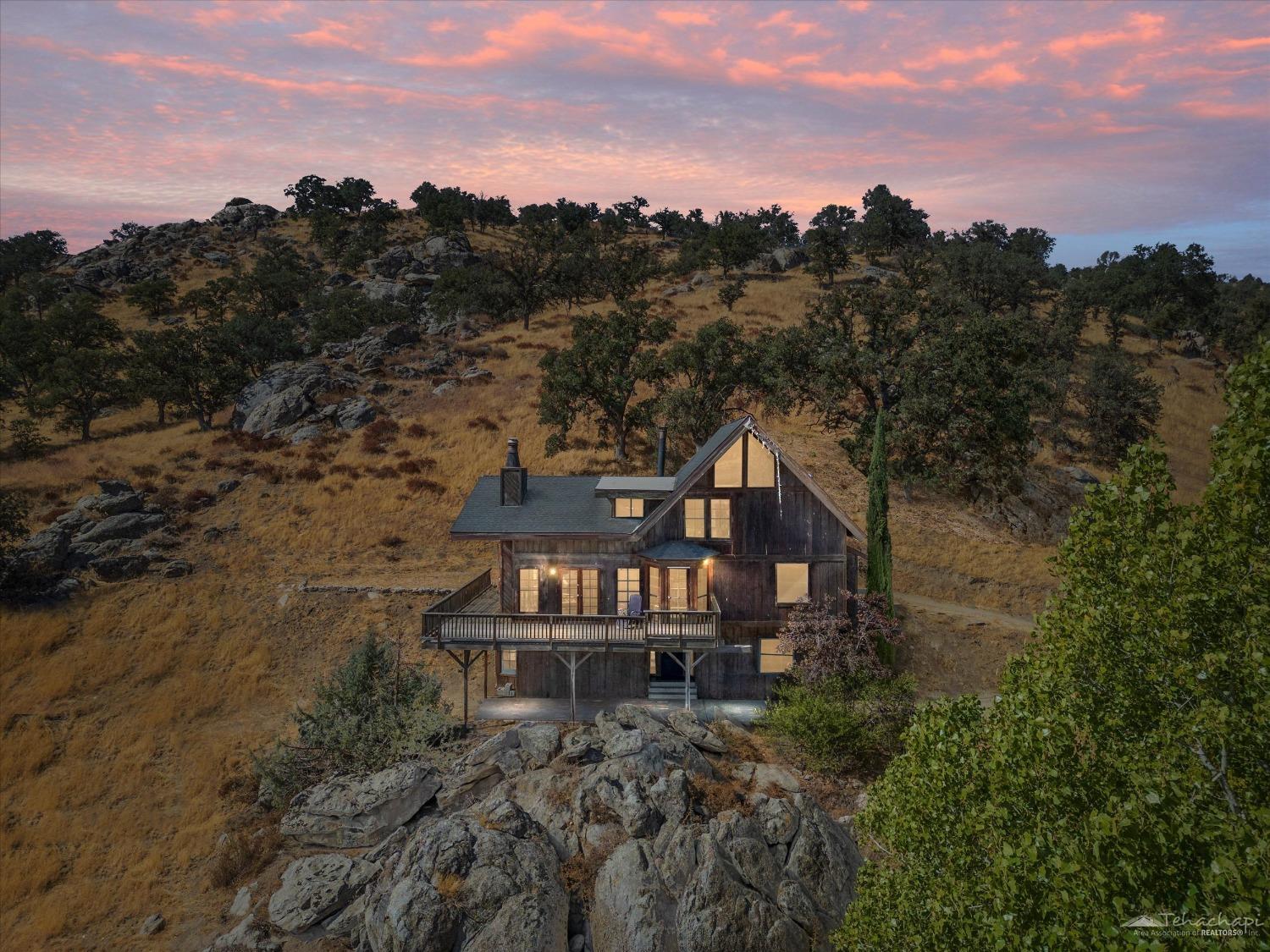
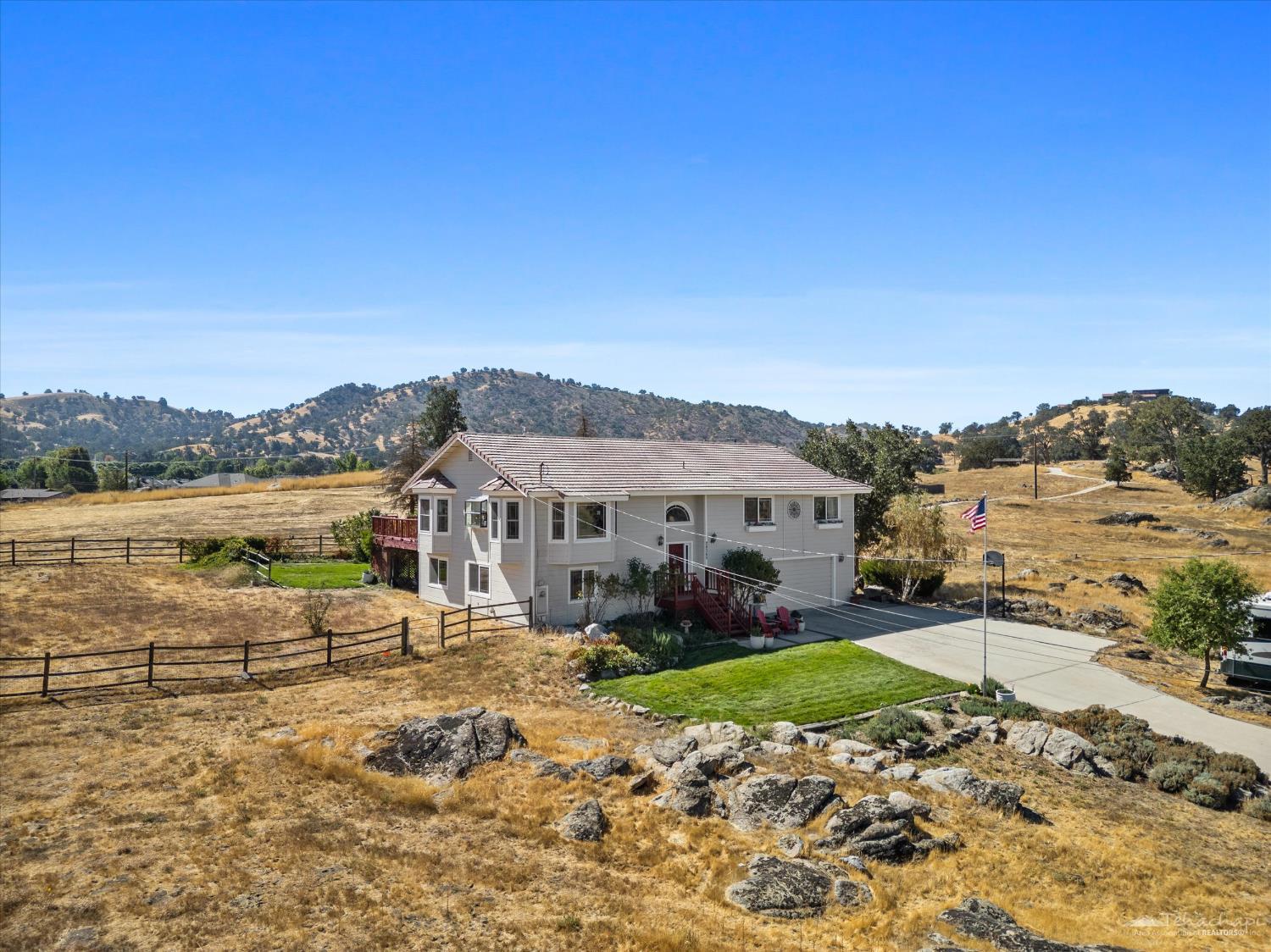
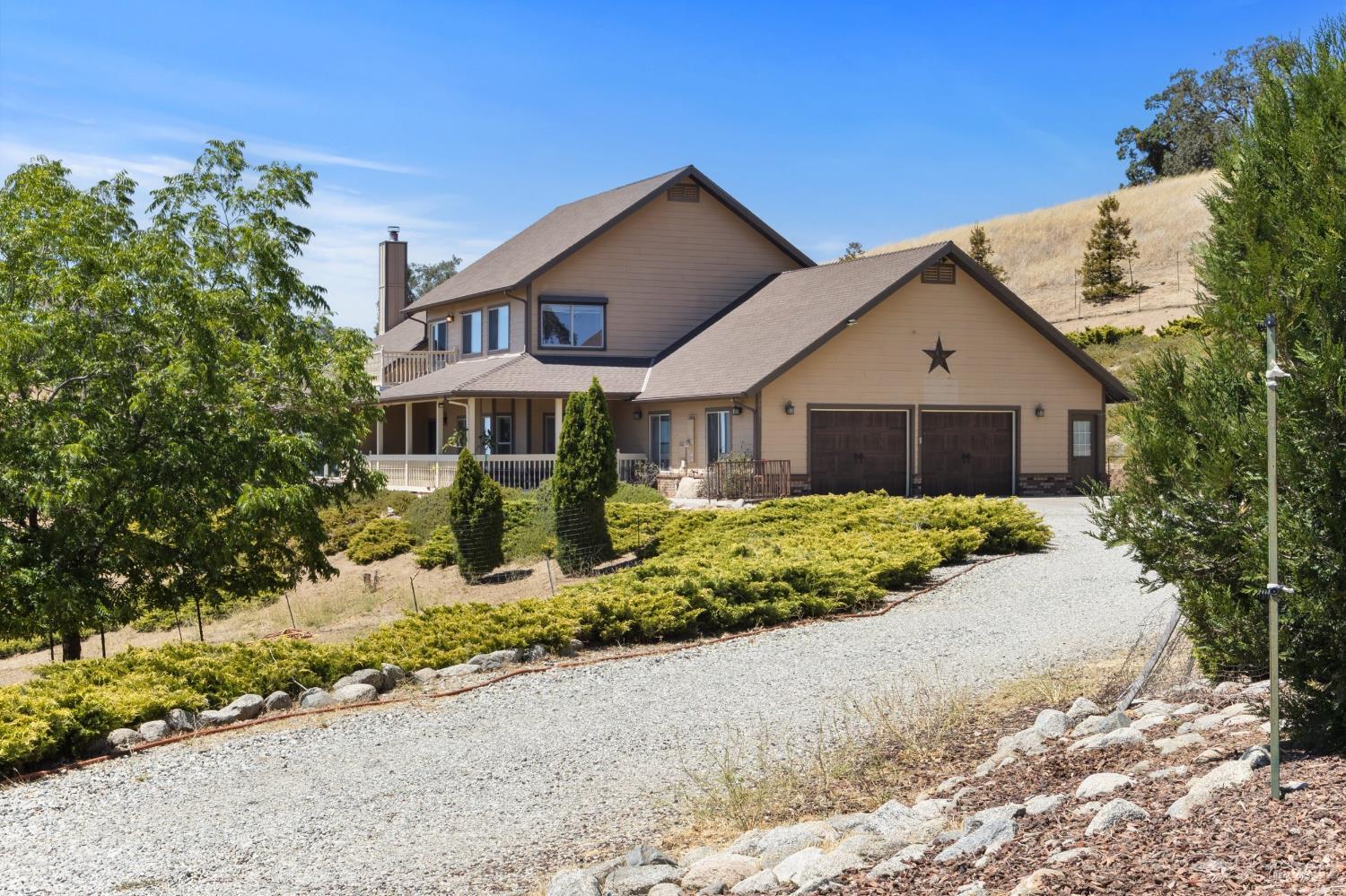
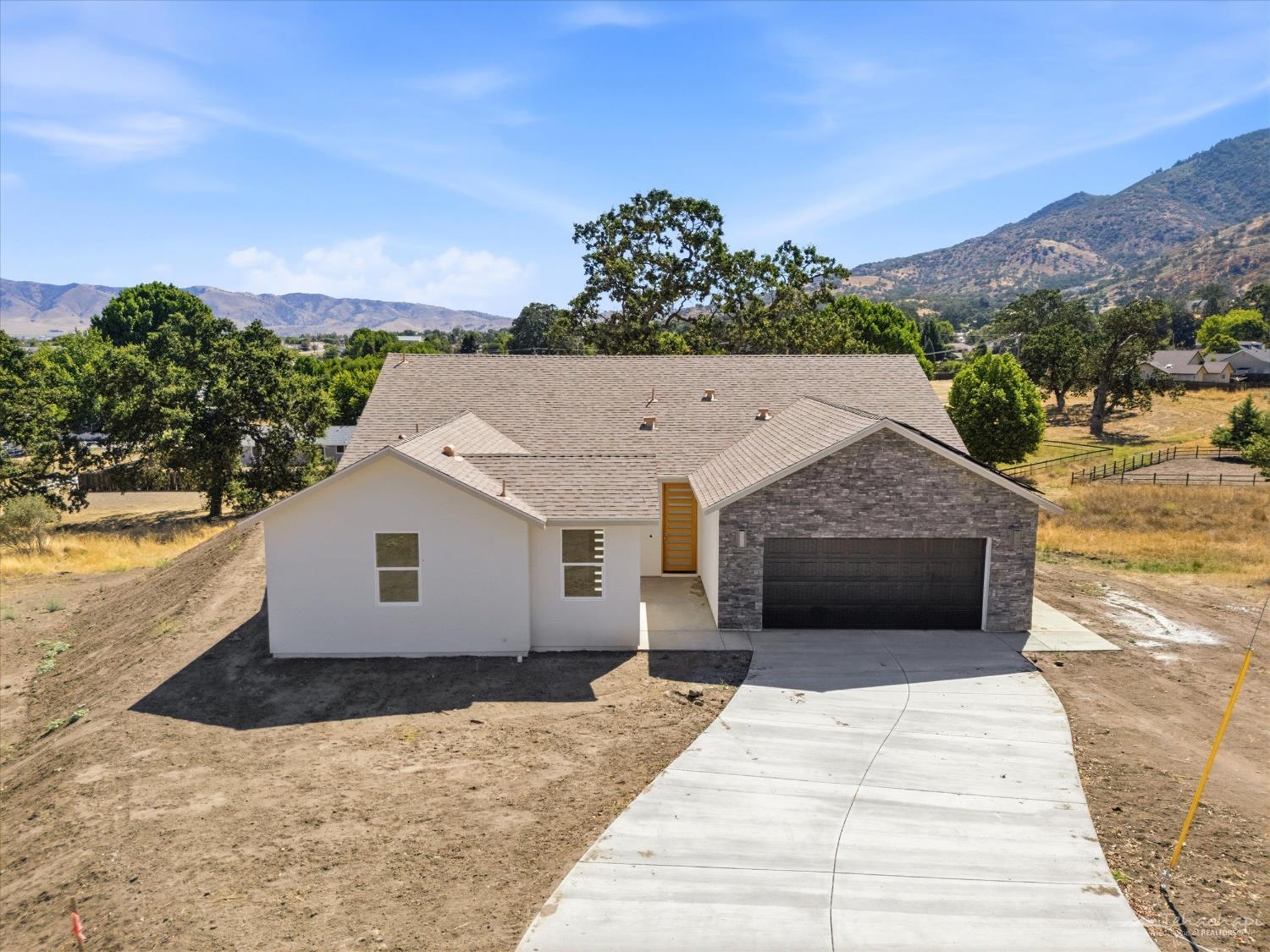
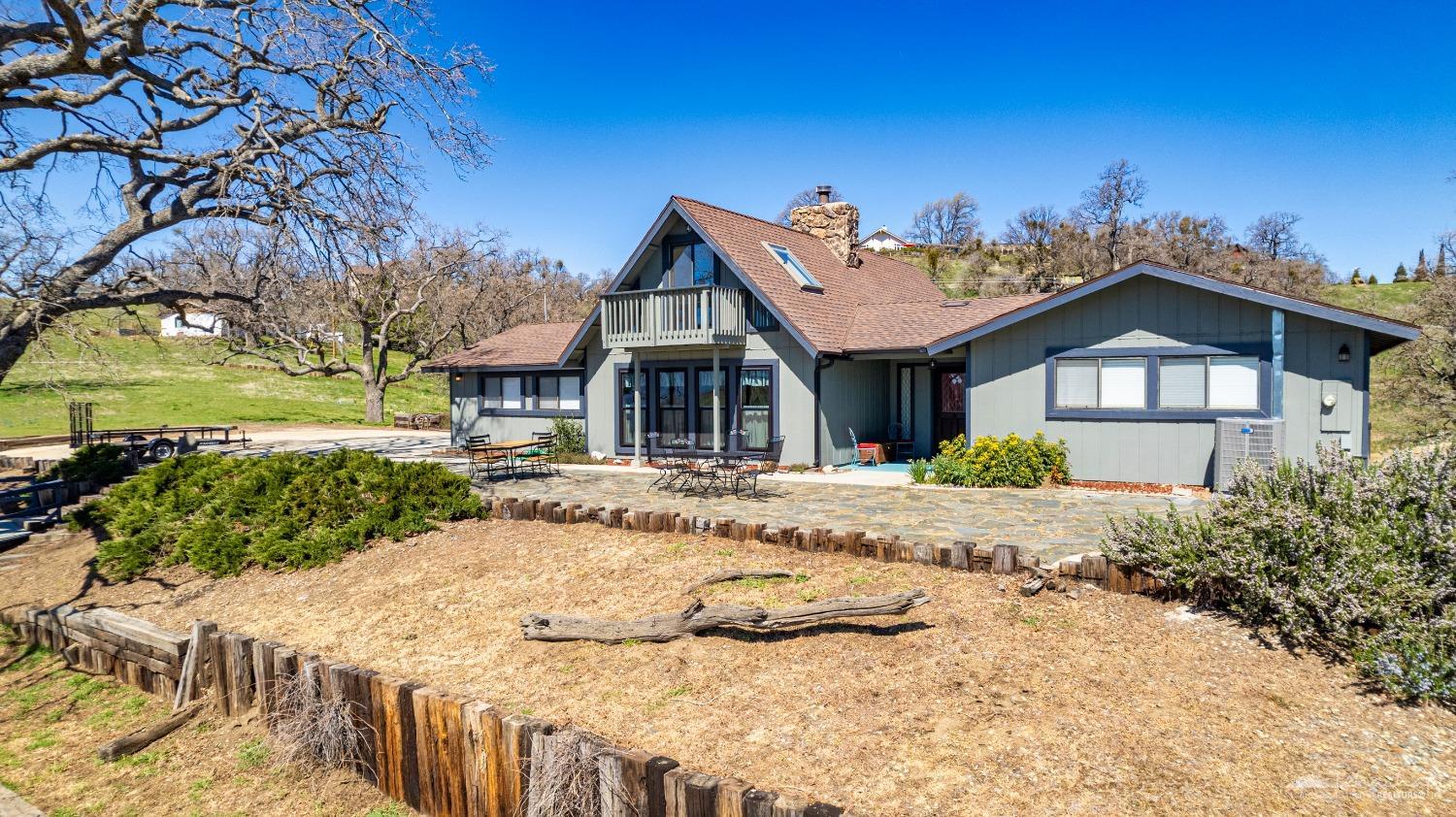
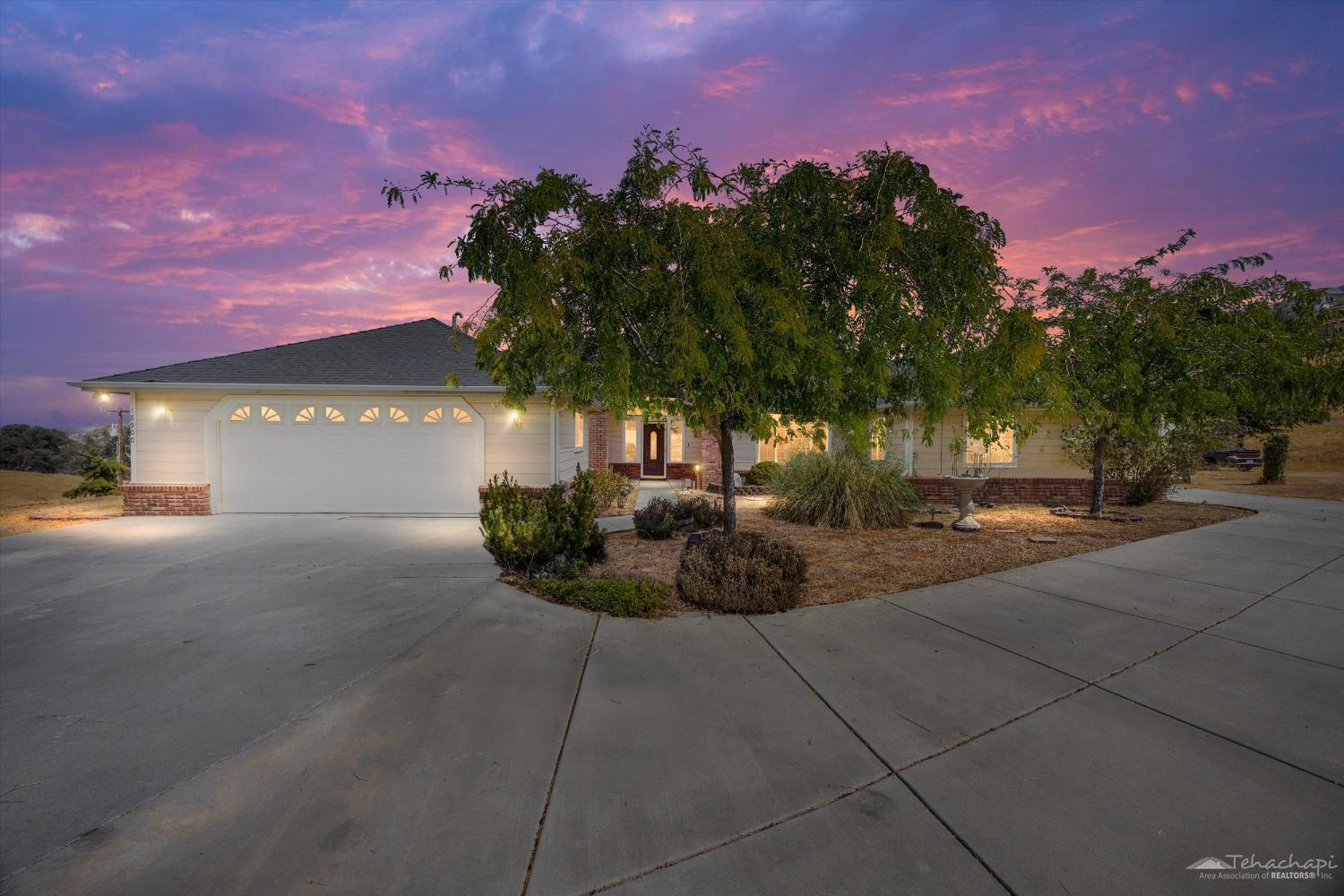
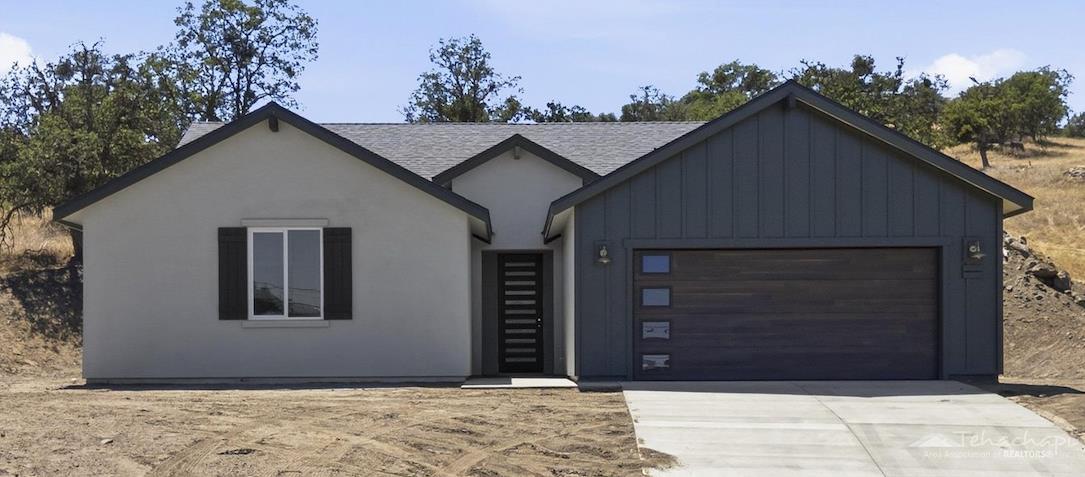
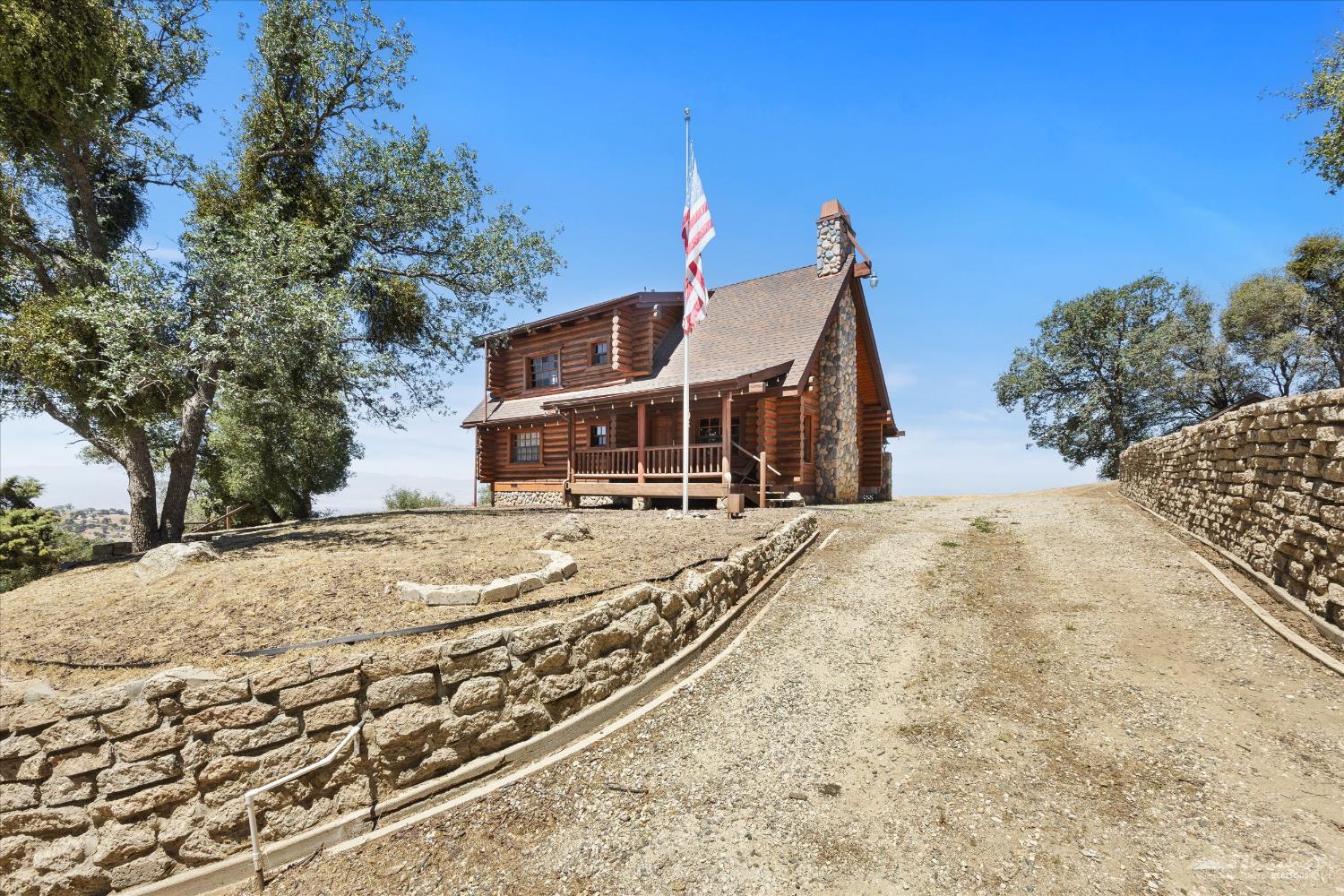
What defines daily life is the closeness to nature. Deer, elk, and wild turkeys move freely through the neighborhoods, and residents have ready access to miles of hiking, biking, and equestrian trails, a championship golf course, and the community's iconic covered bridge. Properties tend to be spacious, with larger lots that buy privacy without cutting you off from your neighbors. The housing itself is a patchwork of character: cozy rustic cabins, sprawling ranches, and modern custom homes all share the same hillsides.
Stallion Springs is rural, but it isn't off-grid. The Stallion Springs Community Services District manages local infrastructure including water, parks and recreation, trash service, and even its own dedicated police department—a level of self-governance that's rare for a community this size and a big part of what makes it work.
Stallion Springs pulls off a balance that's hard to find: secluded mountain living with reasonable access to the valley below. That makes it genuinely viable for people who want to work in the lowlands but come home to the mountains.
Downtown Tehachapi sits about 14 to 16 miles northeast, roughly a 20- to 25-minute drive. It serves as the everyday commercial hub for the community, with grocery stores, local dining, breweries, museums, and community events. Bakersfield is farther out at roughly 50 to 55 miles northwest, about an hour down the mountain. Residents head there for major medical facilities, regional air travel through Meadows Field, larger shopping centers, and a wider job market.
Getting in and out relies on a couple of scenic routes. From the community, drivers take Cummings Valley Road to connect onto State Route 202 (Tucker Road / Valley Boulevard), the primary artery that runs straight through downtown Tehachapi. Route 202 then ties into State Route 58, the major regional corridor that carries you west into the Central Valley and Bakersfield or east toward the Mojave Desert and Antelope Valley.
One thing worth knowing before you commit: at roughly 4,000 feet of elevation, winter can bring fog, heavy winds, and snow. The CSD is diligent about clearing local roads, but keeping an eye on conditions along Highways 58 and 202 simply becomes part of the rhythm of mountain life during the colder months.
Stallion Springs sits on the southern slopes of the Tehachapi Mountains, a transverse range that acts as a natural bridge linking the Southern Sierra Nevada to the San Emigdio and Coastal ranges. It's an unusual and beautiful spot ecologically—a transition zone where the crisp air of the alpine highlands meets the wide, arid sky of the Mojave.
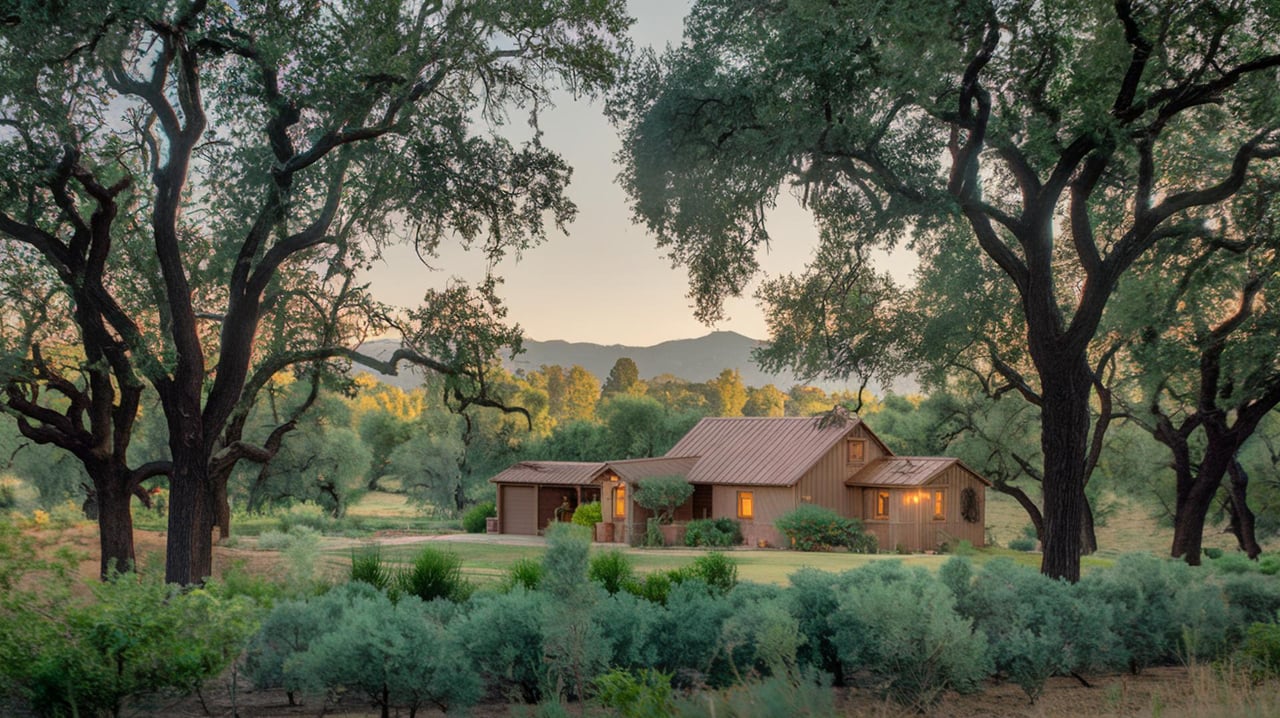
Most of the residential valley sits between roughly 3,800 and 4,000 feet, but the surrounding topography climbs sharply into rugged ridges topping out above 6,300 feet. That elevation shapes everything. The landscape is famously defined by oak-studded hills, where valley oaks and blue oaks dot the golden slopes before giving way to native pines, junipers, and high-desert scrub as you gain altitude.
The payoff of all that elevation is a true four-season climate. Summers run noticeably cooler than the blistering Central Valley below, autumn brings real color to the woodlands, springs are crisp and green, and winter occasionally dusts the oaks with snow.
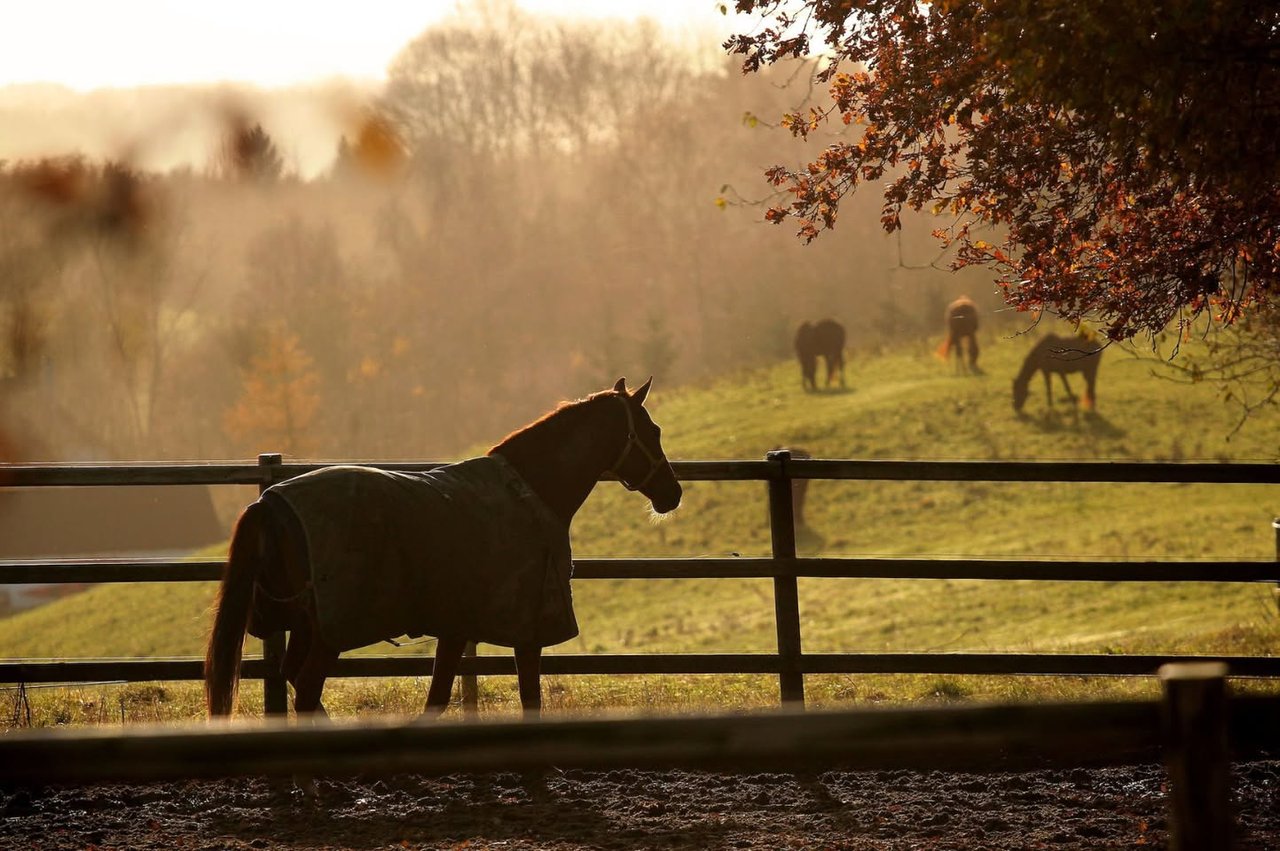
The name isn't decoration. Stallion Springs was built with a genuine appreciation for cowboy country and equestrian culture, and it remains one of the premier destinations in Kern County for horse owners who want a functional, scenic place to ride and live.
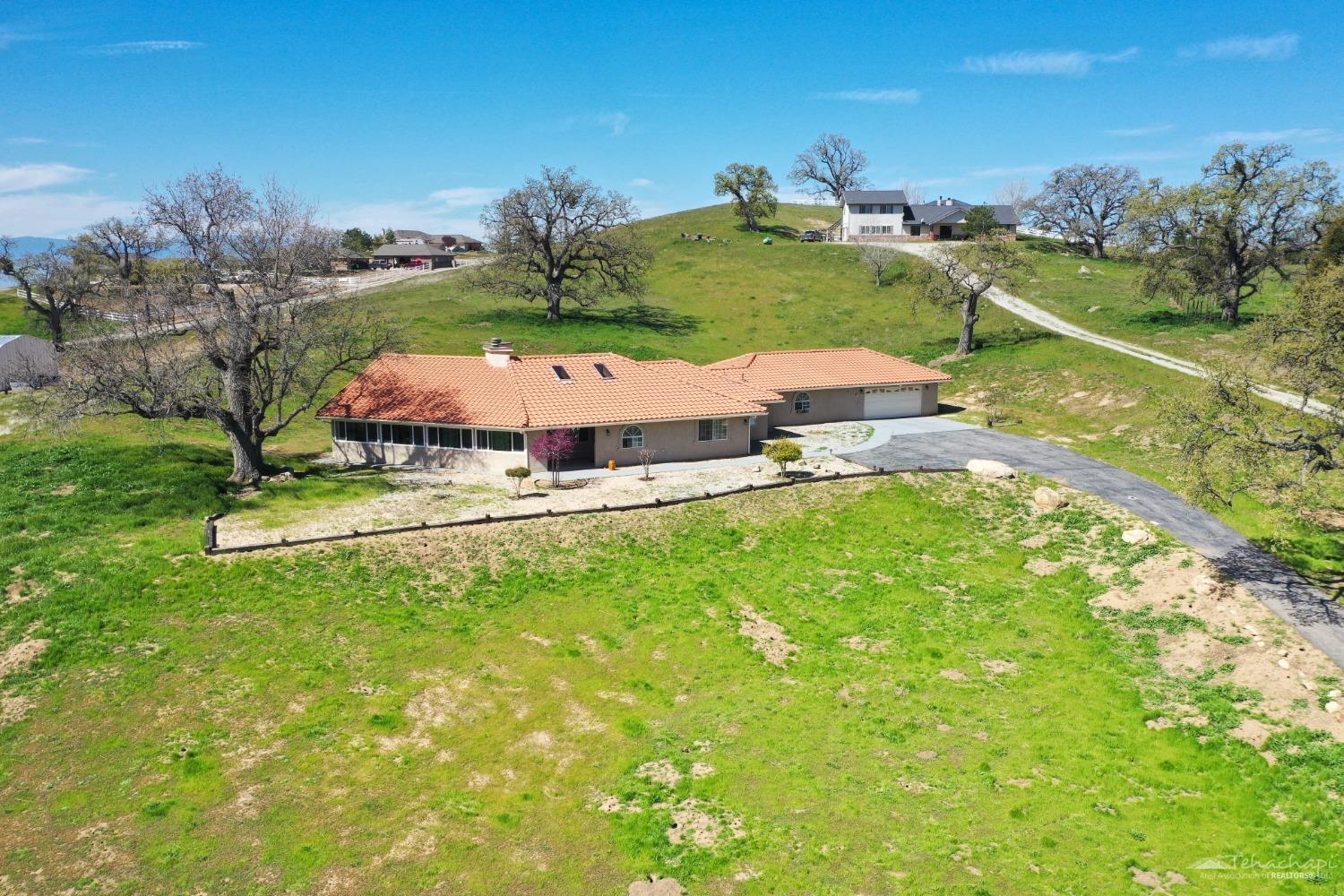
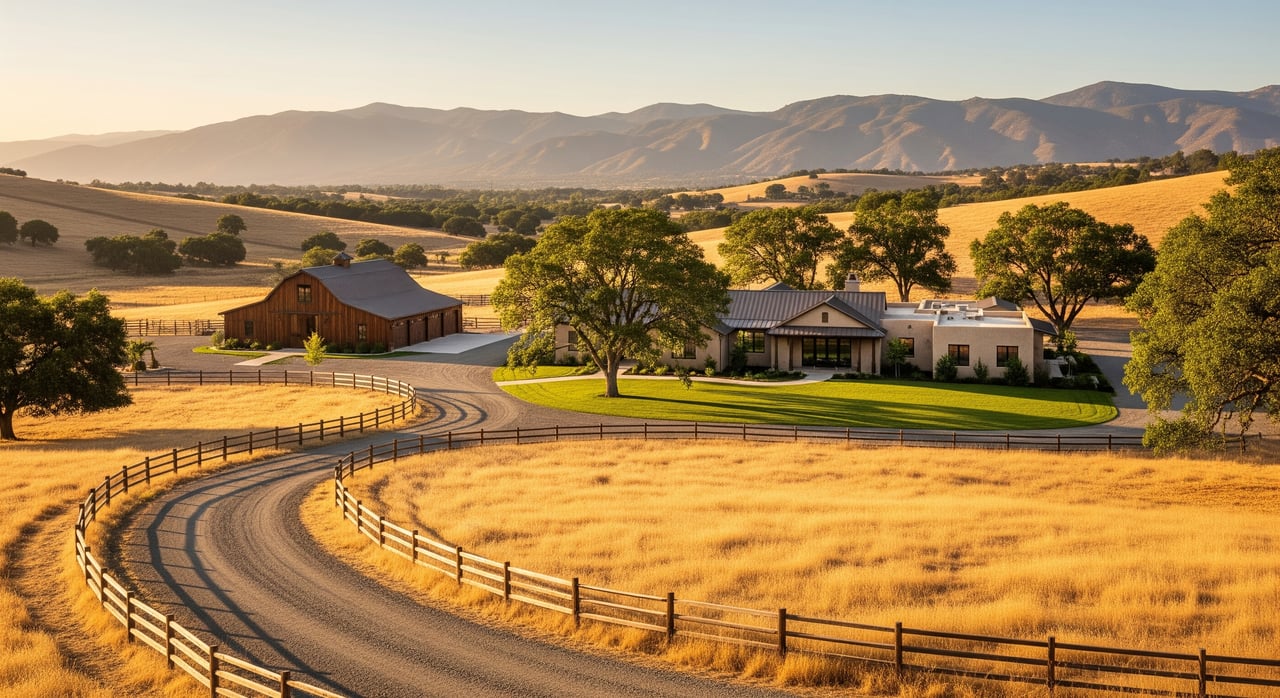
Space was designed into the community from the start. Lots frequently range from one acre to well over 15, giving owners the zoning and physical room to build true horse properties. Many existing estates already come equipped with multi-stall breezeway barns, fenced and cross-fenced pastures, and private round pens and wash racks—the infrastructure that's expensive and difficult to add after the fact.
Just as important is the riding itself. The community maintains its own network of equestrian and hiking trails winding through the hills and valleys, with Horse Thief Park serving as a favorite focal point and staging area for trail access. Riders can choose anything from flat, casual meadow strolls along the valley floor to challenging single-track climbs that test a horse's stamina and reward the rider with sweeping views of the entire Tehachapi Valley. Whether you're a weekend trail rider or a serious hobbyist, the setup makes it easy to keep your horses in your own backyard with the open range right outside the gate.
At the western edge of Cummings Valley, Horse Thief Country Club has long been a central fixture of the Stallion Springs lifestyle. Built in 1974 by golf course architects Bob E. and Robert L. Baldock, the course was woven into the natural landscape, winding through century-old oaks and massive granite boulders rather than bulldozing past them.
The course is an 18-hole, par-72 championship layout stretching over 6,600 yards from the back tees, known for rolling fairways and notable elevation shifts. At around 4,000 feet, it also offers a cooler round than anything down in the Central Valley—and it's not unusual for deer or elk to wander onto the greens as part of the scenery.
Beyond the golf, the clubhouse functions as the community's social anchor. Neighbors gather there for casual meals, holiday gatherings, and local celebrations, and it gives this unincorporated community a real sense of shared identity and a place to come together.
Because Stallion Springs is unincorporated, it has no city council or mayor. Instead, governance and infrastructure fall to the Stallion Springs Community Services District (CSD), an independent special district run by a voter-elected Board of Directors and a General Manager. In practice, the CSD operates as a hyper-local government, letting the community keep its independence while still delivering reliable public services.
The CSD's portfolio is broad. It oversees water and wastewater—managing local wells, storage, and treatment—and handles road maintenance, including the all-important plowing and snow removal in winter. It manages parks and recreation such as Horse Thief Park, open spaces, and the trail system, and it takes care of solid waste disposal, neighborhood mailboxes, and weed abatement to reduce wildfire risk.
The most distinctive piece is the community's own Stallion Springs Police Department (SSPD), operating under the CSD. Where most rural communities depend solely on county sheriffs—who can face long response times across enormous territories—Stallion Springs residents have localized, 24/7 coverage and notably fast emergency response. Led by a Chief of Police and a team of officers, the SSPD leans into community-oriented policing, with programs like a Citizen Volunteer Program, Neighborhood Watch coordination, and vacation house checks for residents traveling out of town. Between the CSD's infrastructure and the SSPD's protection, Stallion Springs holds onto its secluded charm without giving up the safety and reliability of a proper township.
The market here reflects the community's rustic, mountain-meets-high-desert character, and it offers a combination of space and value that's increasingly rare in California.
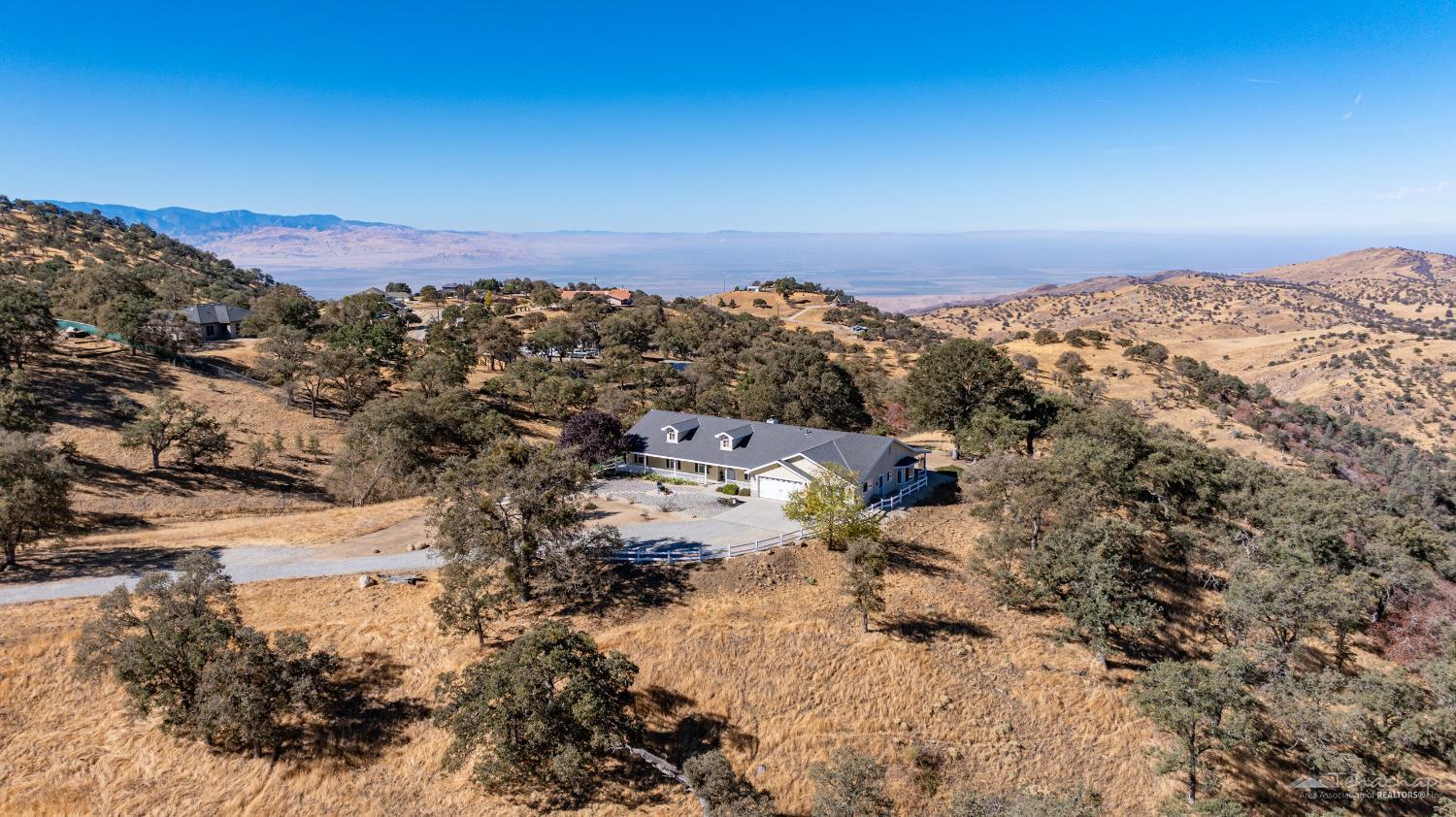
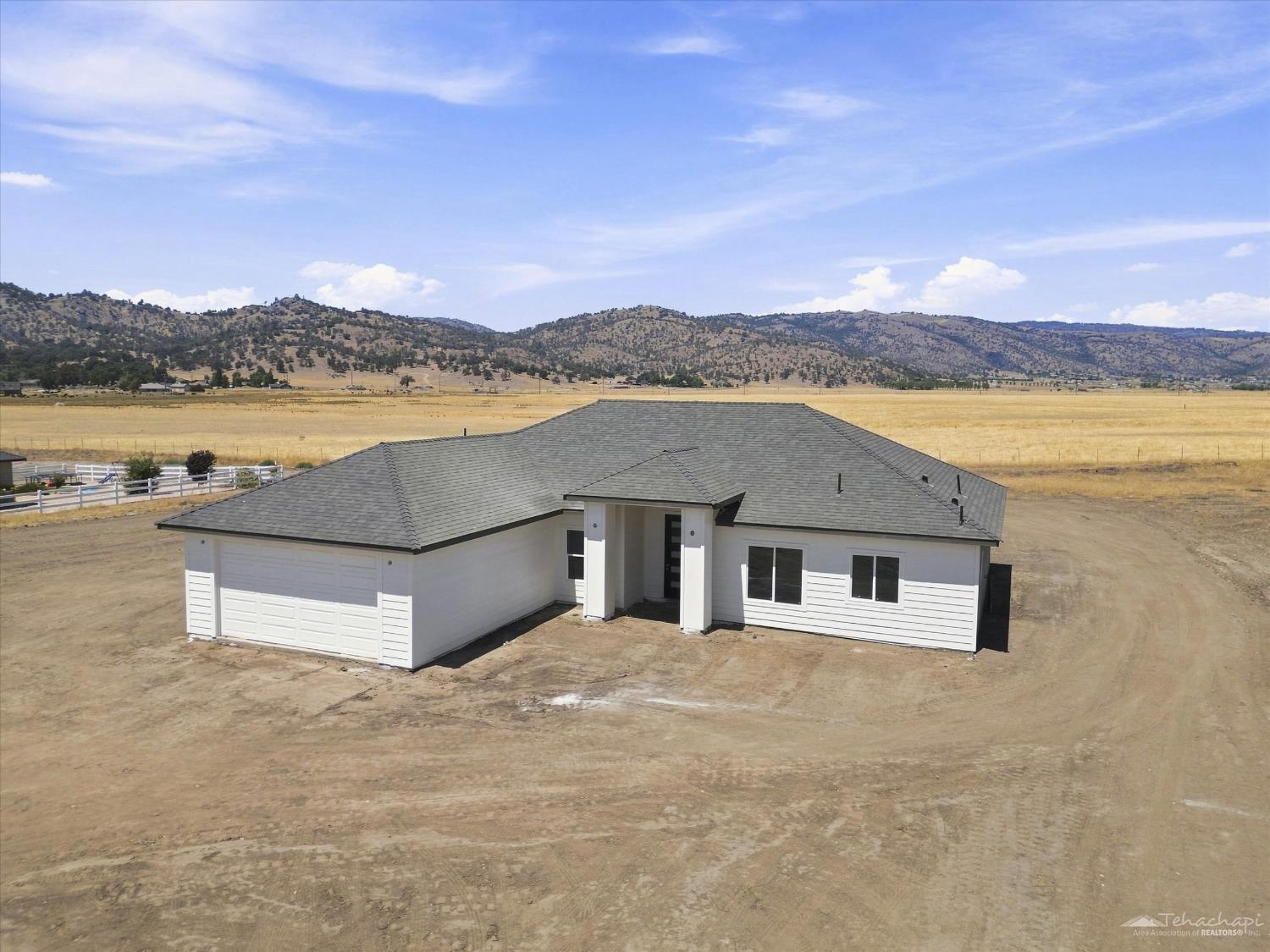
The median listing price hovers around $515,000, which delivers strong value per square foot compared with coastal California or much of Southern California. Just as appealing is what that money buys in terms of land. While there are standard half-acre residential lots near the golf course, it's common to find properties spanning one to five or more acres, and there's still an active inventory of vacant land for buyers who want to design a mountain retreat from scratch—from flat valley parcels to sloped hillsides with panoramic views.
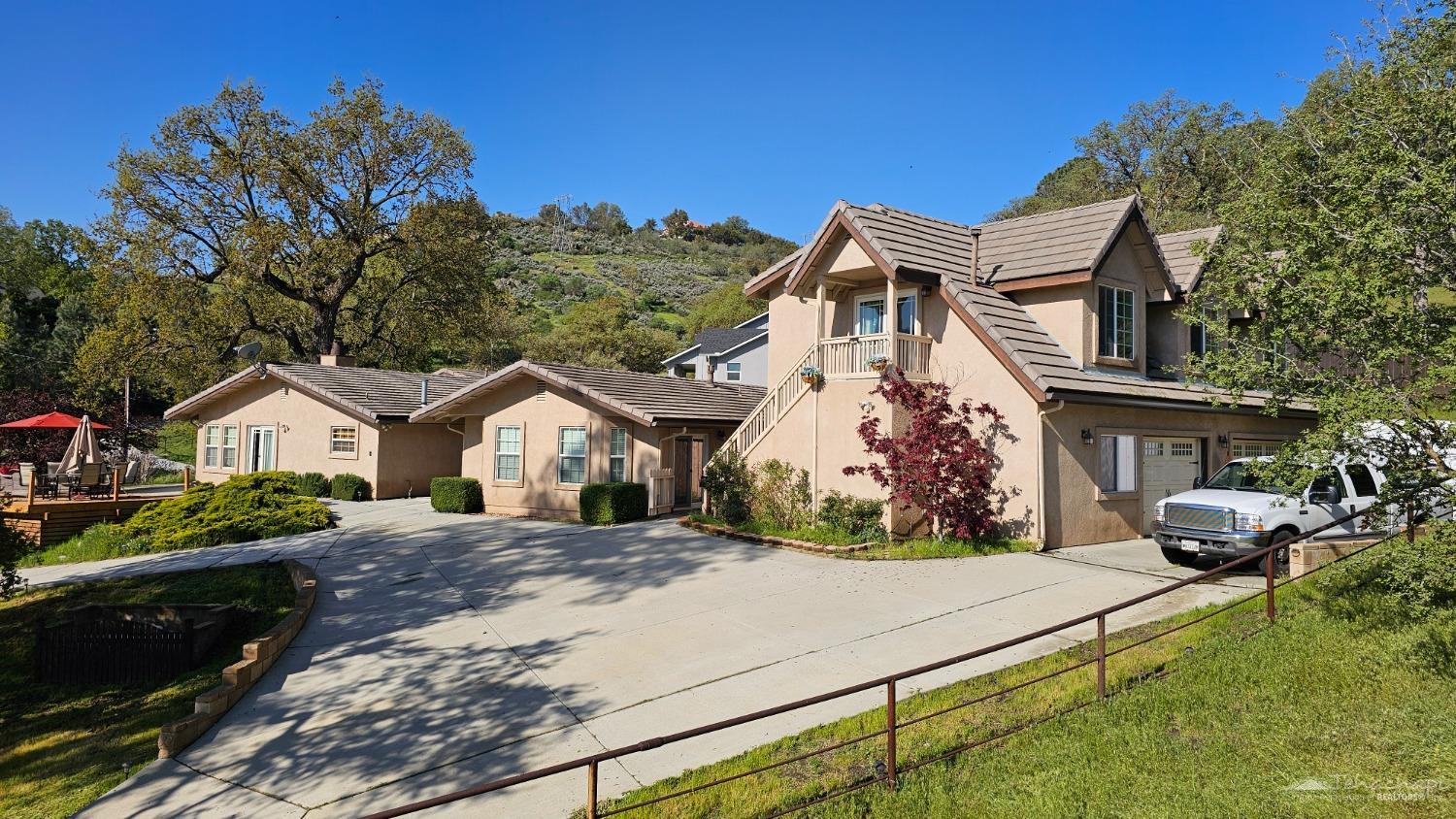
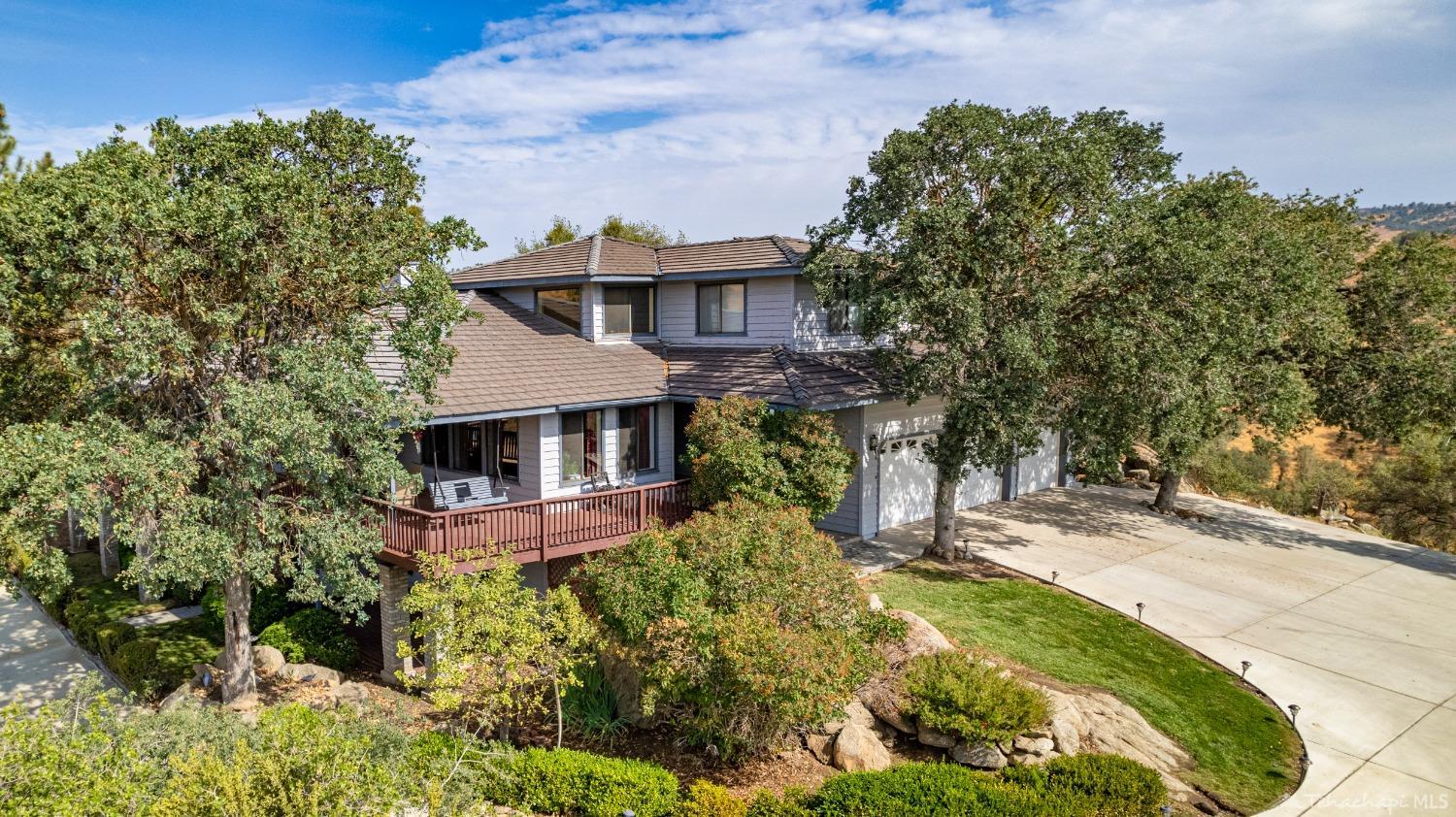
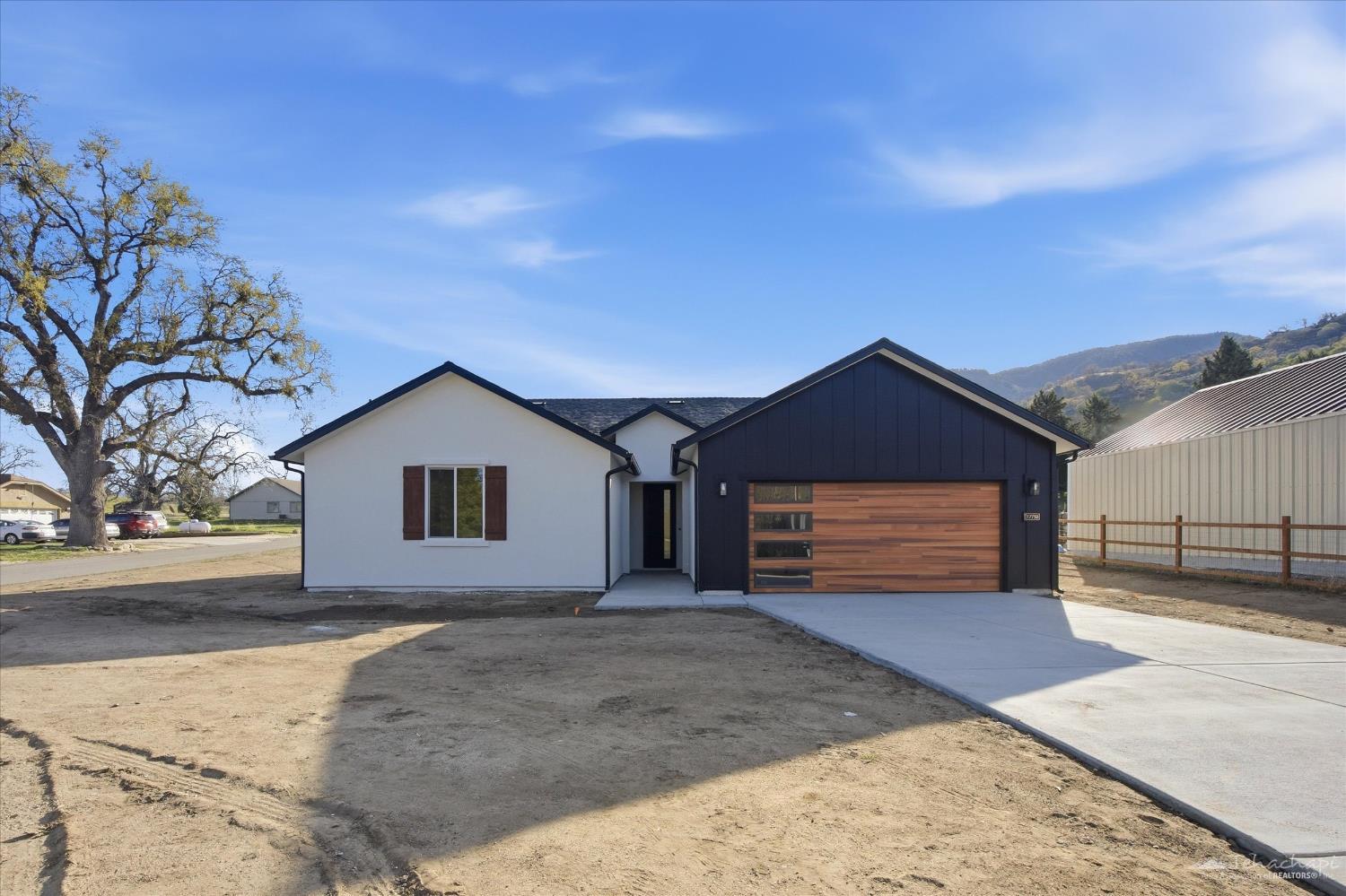
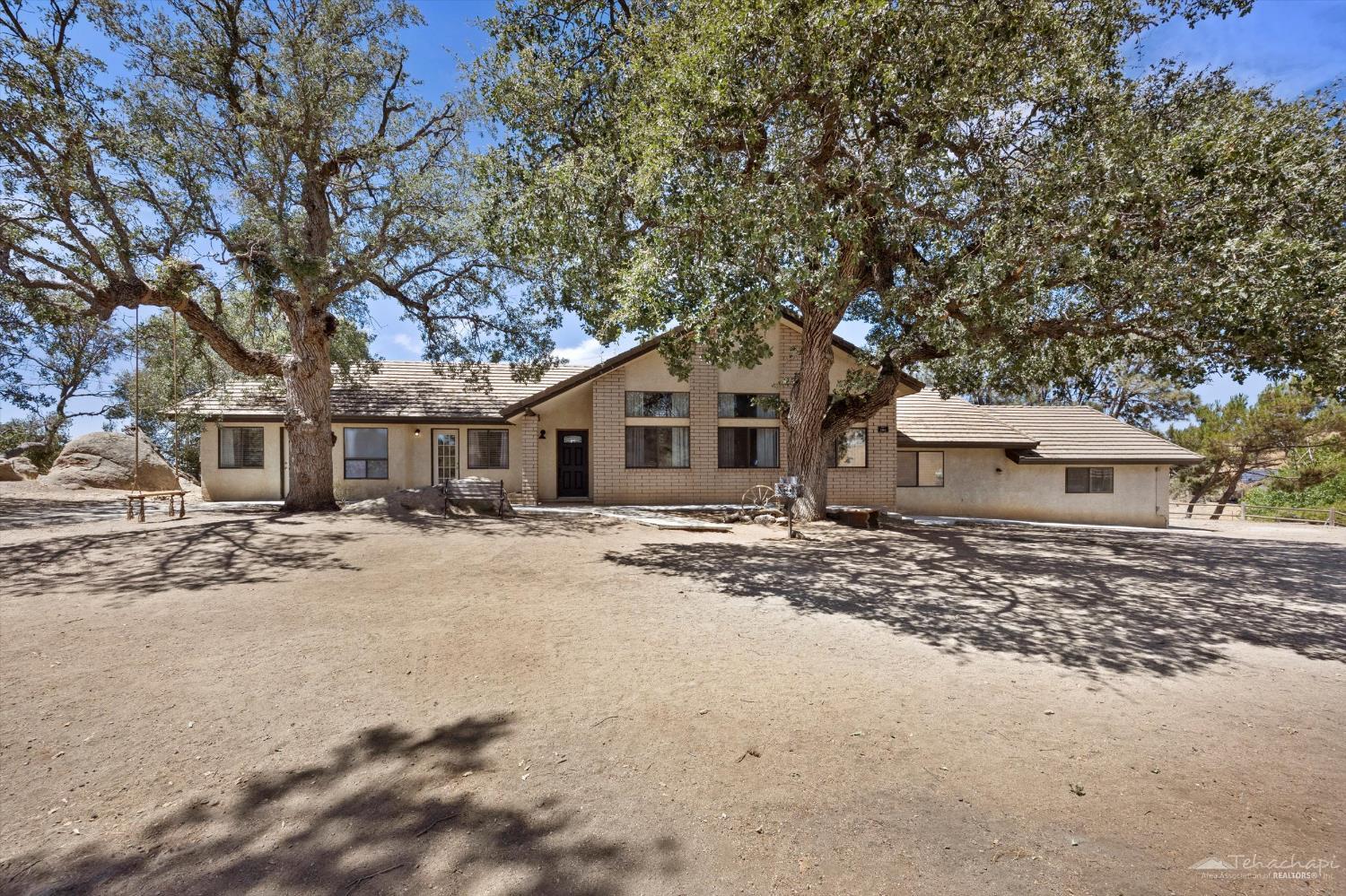
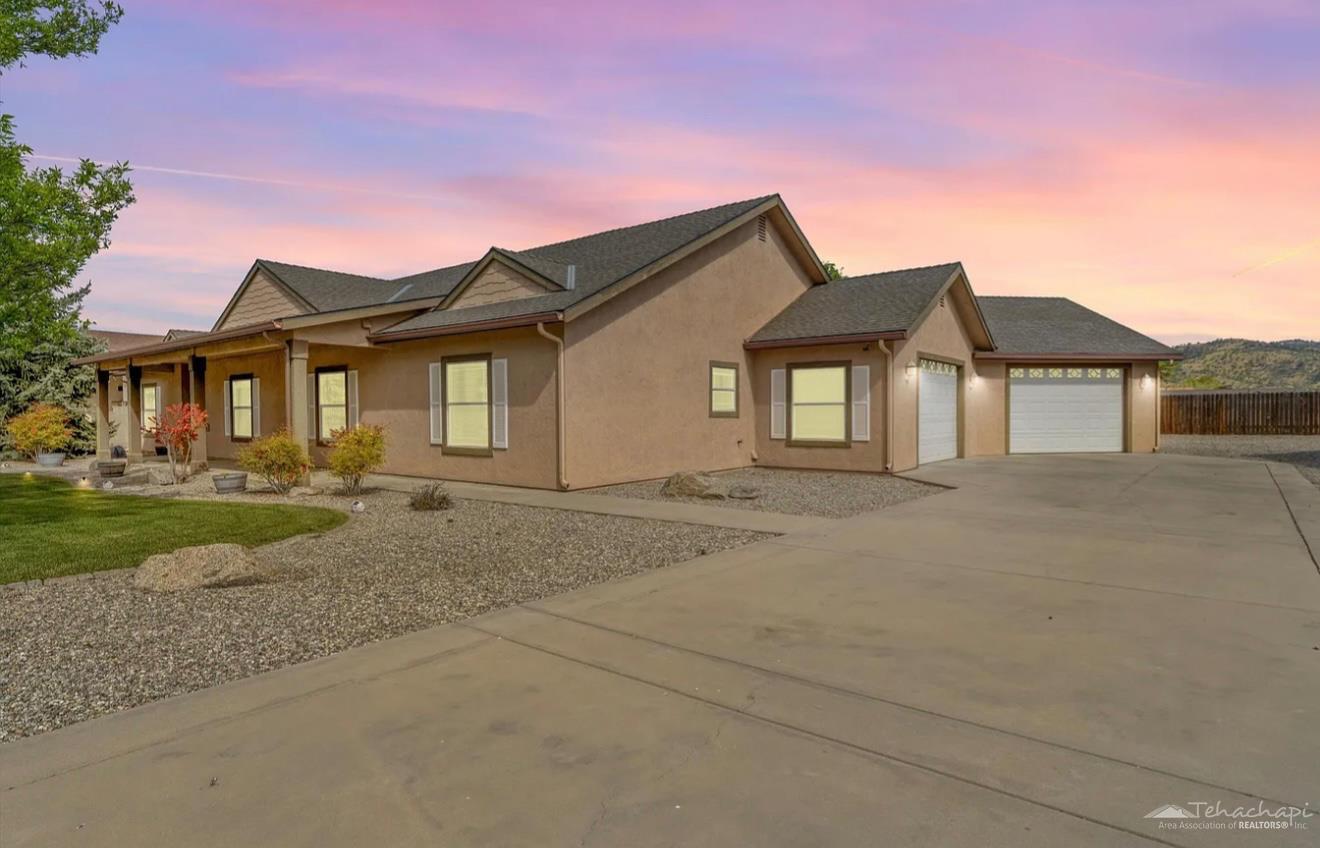
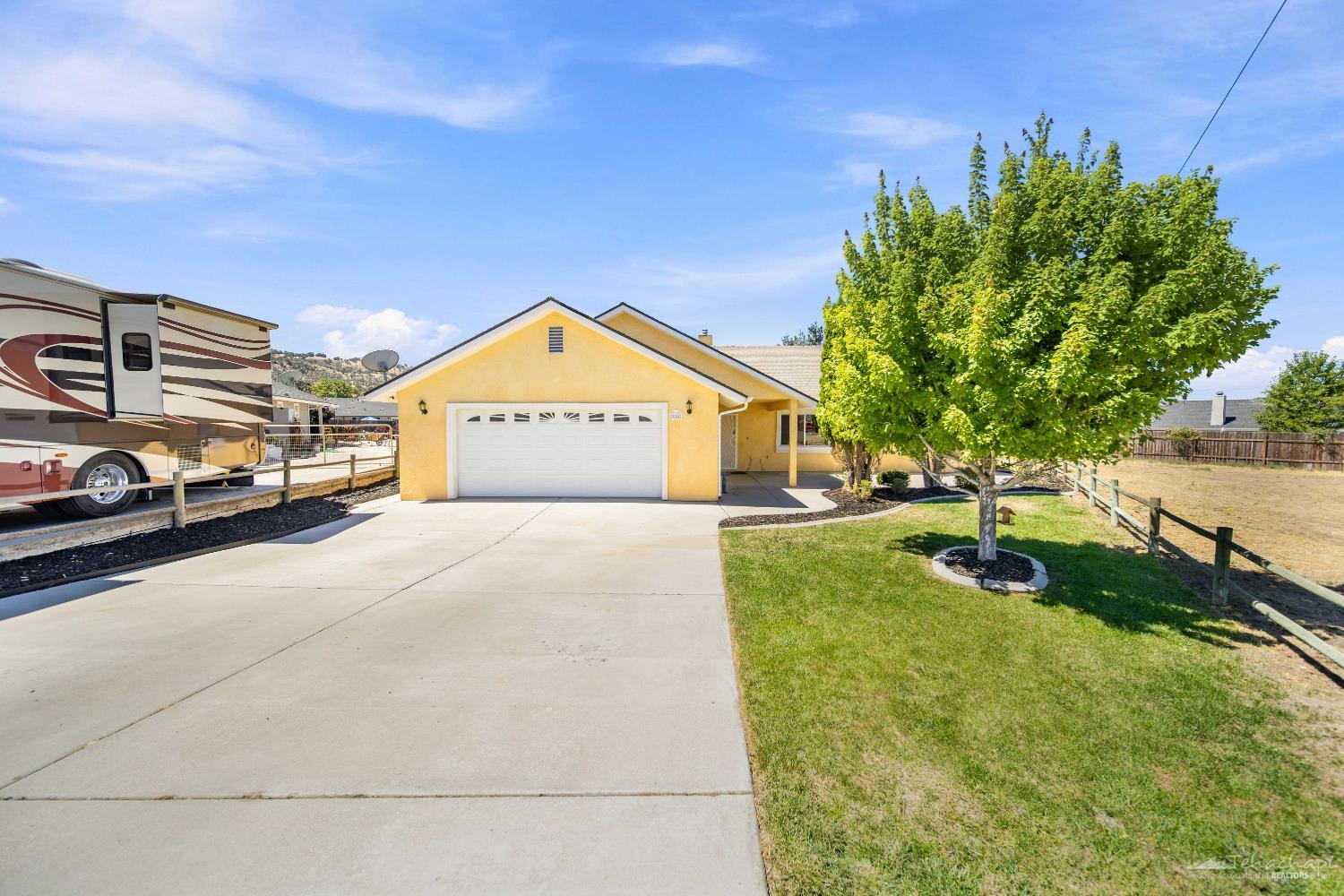
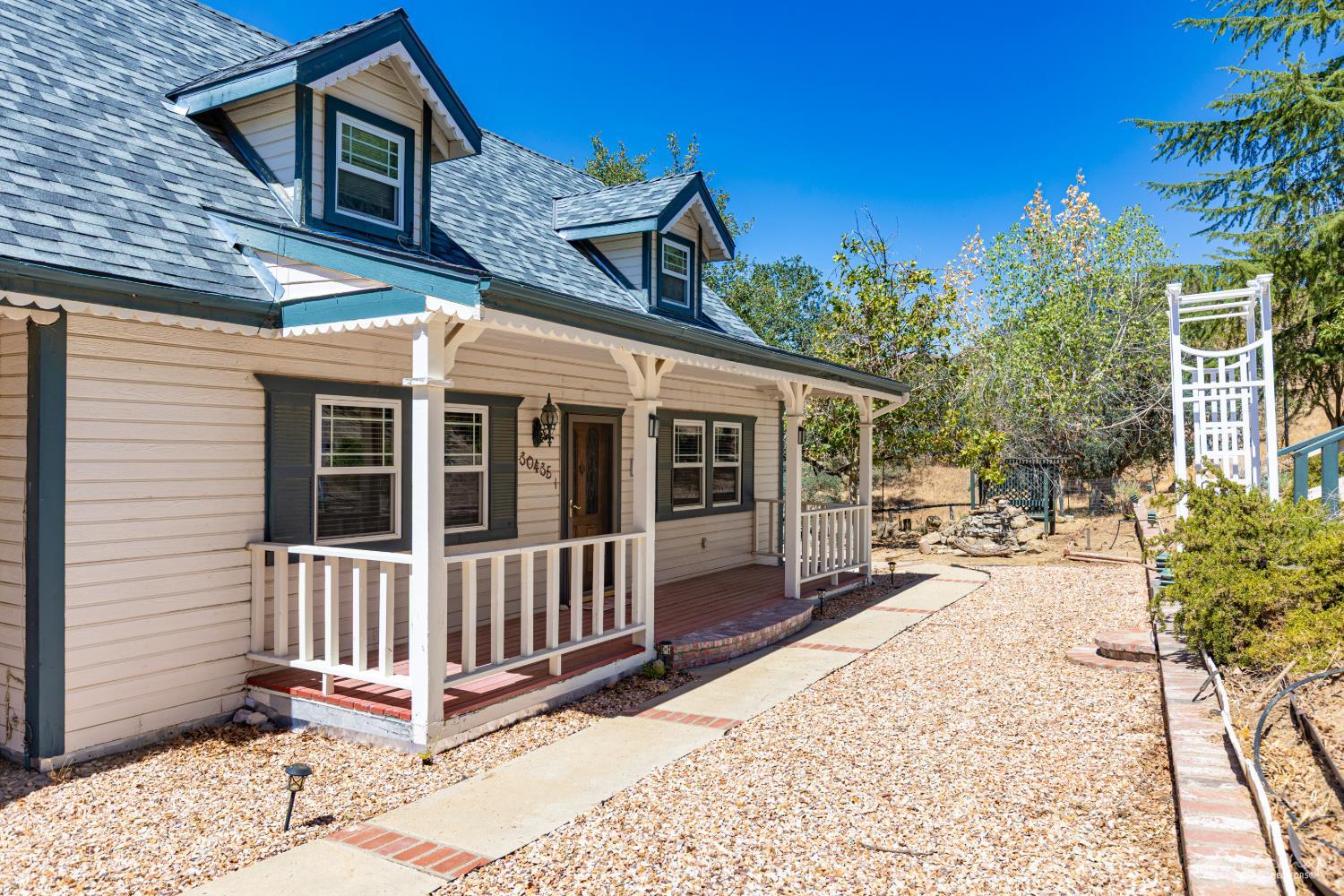
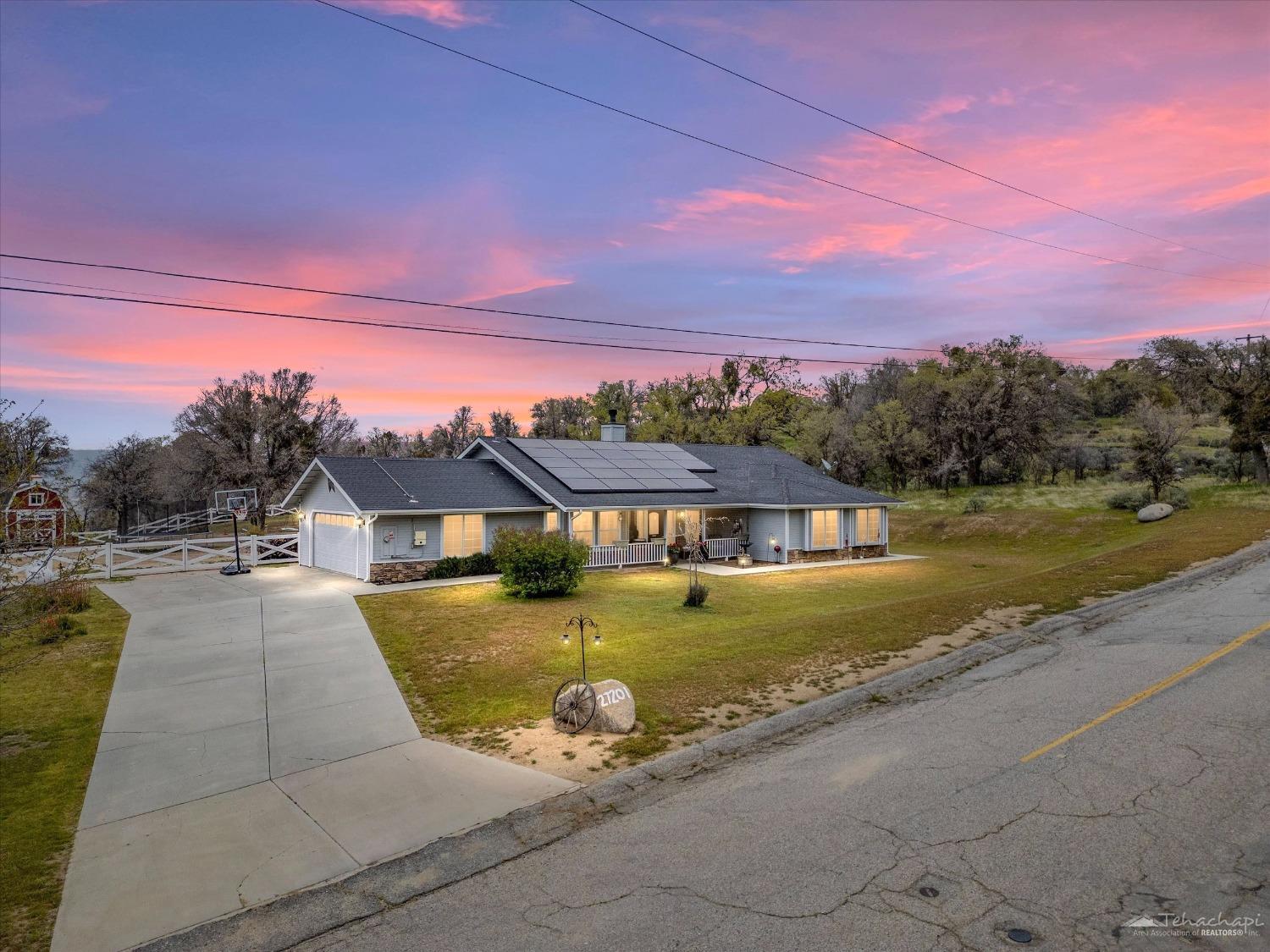
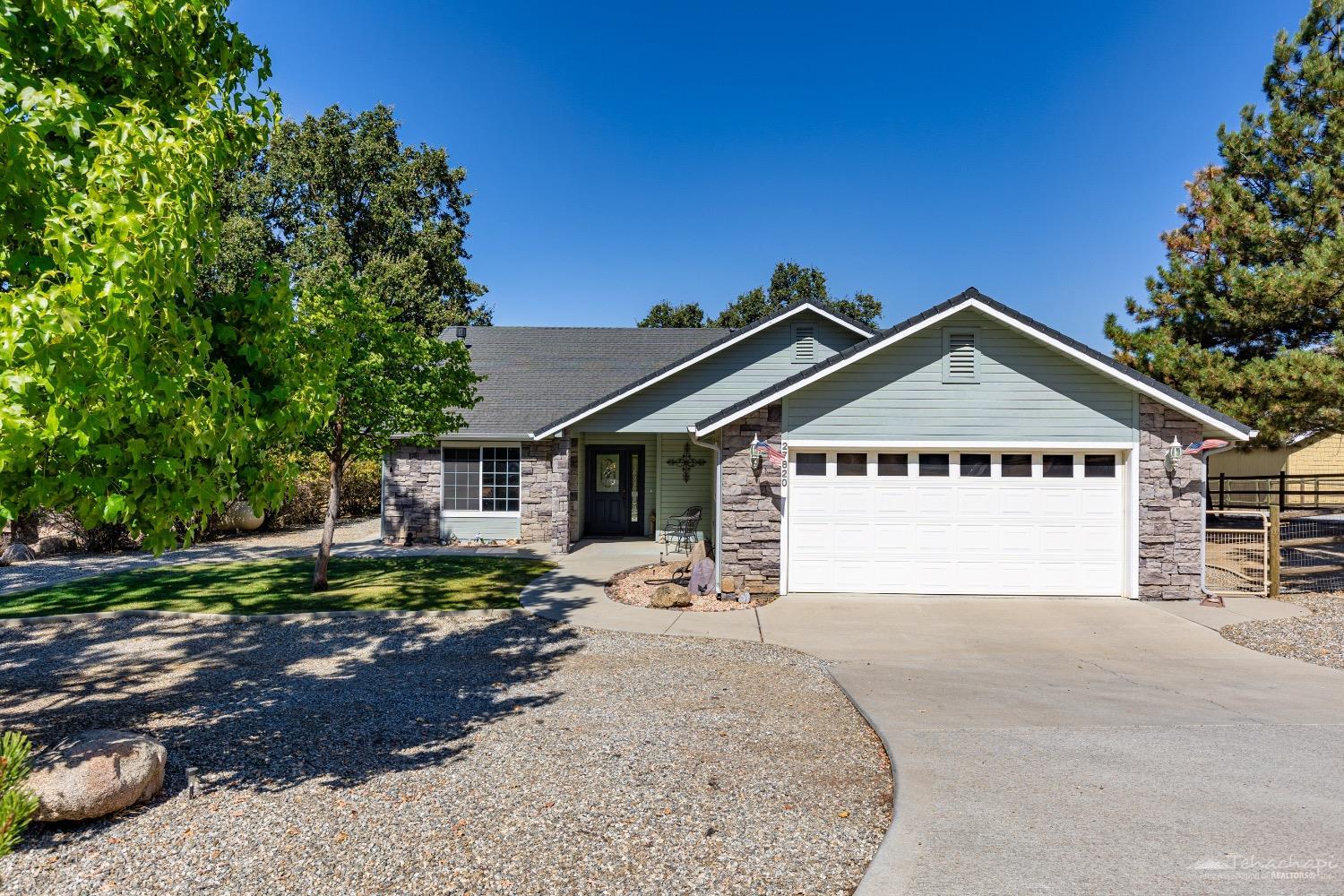
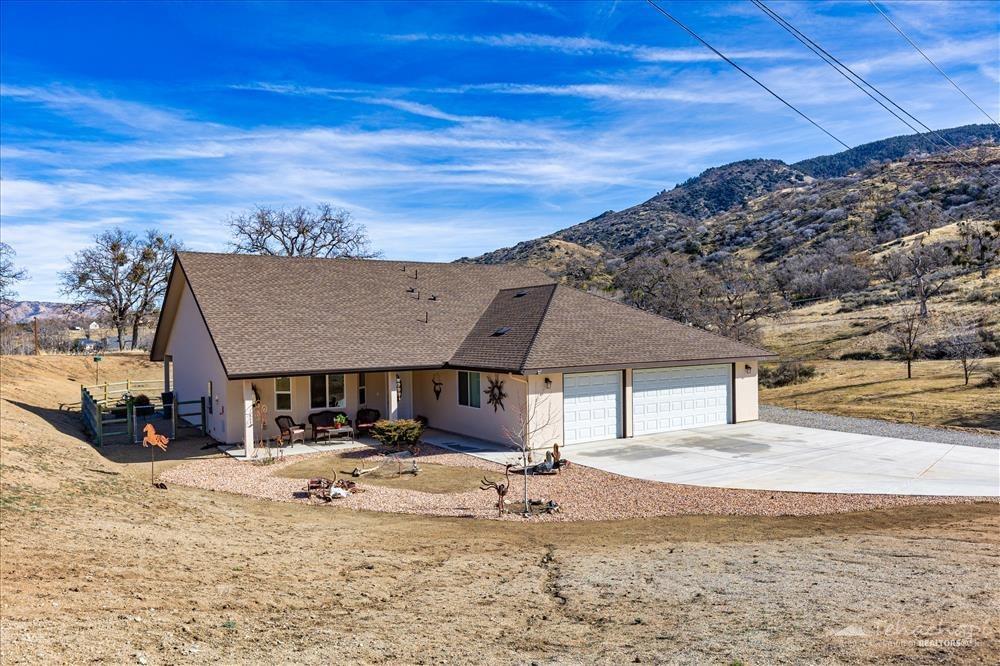
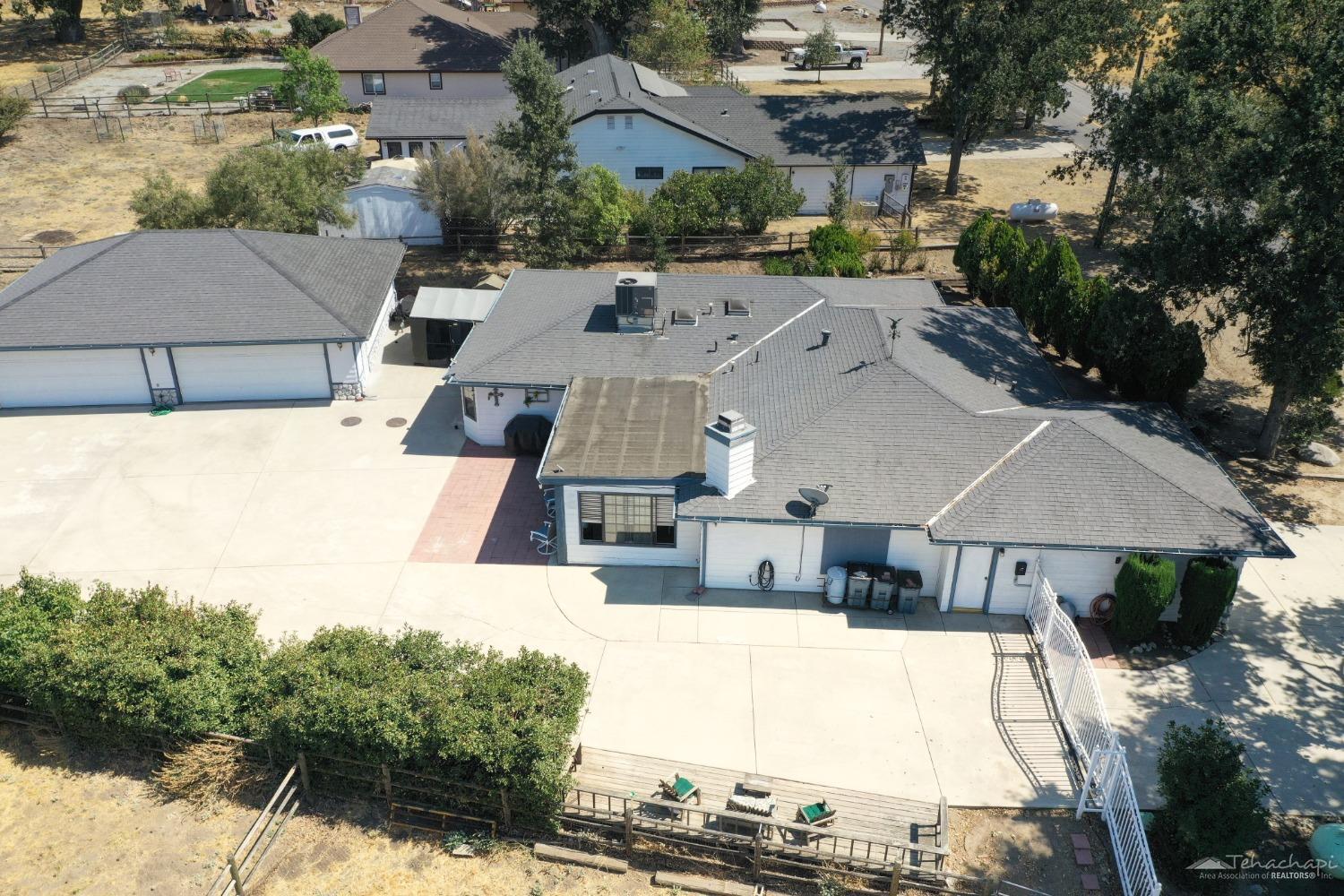
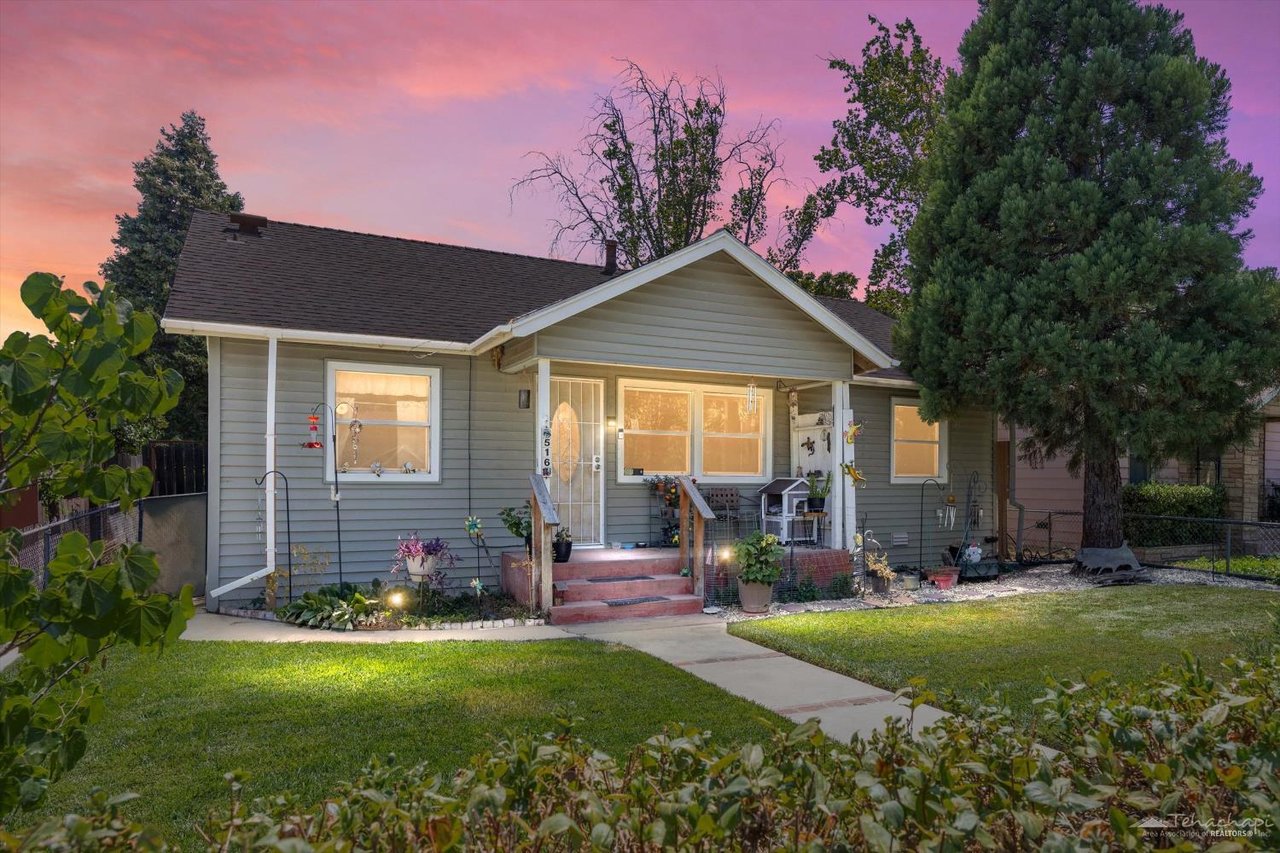
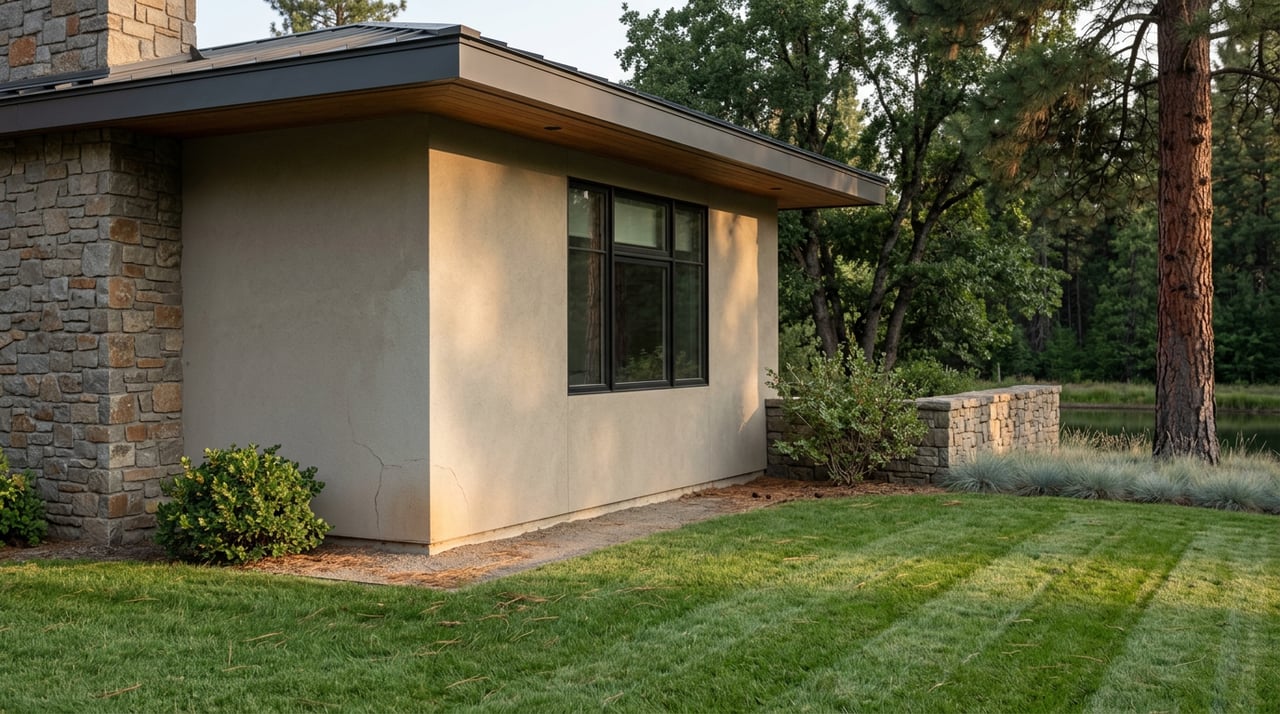
Architecturally, the community is a varied tapestry. Buyers will encounter classic single-story ranch homes, manufactured homes on permanent foundations, rustic cabins, and expansive custom contemporary estates. Many homes feature split-wing floor plans, large viewing decks built to take in the canyon vistas, and detached workshops or garages.
As for pace, the Stallion Springs market generally moves steadily, with homes averaging roughly 30 to 50 days on the market. It tends to sit between a balanced and a buyer-friendly market, which gives house hunters healthy inventory to browse and reasonable negotiating leverage—a meaningful advantage in a state where buyers rarely have either.
A secluded, rural lifestyle doesn't mean families are on their own when it comes to education. Because the community is unincorporated, public schooling is served primarily by the neighboring Tehachapi Unified School District (TUSD), and students generally commute a short distance into the greater Tehachapi area.
The closest elementary campus is Cummings Valley Elementary School, just off Bear Valley Road, with Golden Hills Elementary and Tompkins Elementary as additional regional options. Middle schoolers in grades 6 through 8 attend Jacobsen Middle School in the heart of Tehachapi, and teenagers go on to Tehachapi High School, a comprehensive four-year campus known for strong community support, competitive Warriors athletics, and career technical education pathways.
The district plans around the mountain geography. TUSD's transportation department runs dedicated daily bus routes for Stallion Springs students, picking them up at designated community stops. For families who want a different path, the district offers the Tehachapi Independent Learning Academy for hybrid and independent study, and the wider valley supports private schools, charter options, and active homeschool networks.
Few things define life here more than the immediate, intimate connection to the natural world. Surrounded by expansive ranch land and rugged wilderness, Stallion Springs is a genuine sanctuary for California's native wildlife—and residents don't just observe it, they live alongside it. It's entirely ordinary to glance out a living room window and find animals grazing on the front lawn.
The area is best known for its resident herd of Rocky Mountain elk and abundant mule deer, which roam the valleys, the golf course, and the neighborhoods, especially in the cooler morning and evening hours. The oak woodlands also shelter wild turkeys, California quail, bobcats, foxes, and—deeper in the canyons—the occasional black bear or mountain lion. Overhead, birdwatchers can spot golden eagles, red-tailed hawks, and owls.
For active residents, the terrain is a playground. Extensive nature trails serve everyone from casual walkers to serious mountain bikers, winding past the historic covered bridge, climbing rugged ridges, and meandering through shaded oak groves. The community is also home to Woodward West, a world-renowned action sports camp known for youth programs in gymnastics, skateboarding, and BMX—a fitting reflection of the area's deep-rooted outdoor athleticism.
Sitting between 3,800 and over 6,000 feet, Stallion Springs escapes the relentless, uniform heat that defines the Southern California deserts and the Central Valley. In its place is a genuine four-season alpine climate with crisp mountain air—and a wardrobe that has to stretch from t-shirts to heavy coats.
| Season | What to expect |
|---|---|
| Spring | Crisp and mild, with wildflowers across the hillsides and the oaks beginning to bud. |
| Summer | Remarkably comfortable. While Bakersfield and Palmdale routinely clear 100°F, highs here usually sit in the 80s to low 90s, cooled by afternoon mountain breezes and clear nights. |
| Autumn | A local favorite. The air turns sharp and brisk as deciduous trees shift to gold, amber, and orange against the evergreen pines. |
| Winter | A true mountain winter, with nights frequently below freezing and periodic snowfall that blankets the oak-studded hills. |
Living with these seasons brings its own rhythm. Autumn means stacking firewood and clearing brush for wildfire safety; winter calls for a bit of mountain readiness, and many residents keep 4WD or AWD vehicles, snow shovels, and a well-stocked pantry for the occasional day when heavy snow or dense fog slows the commute. It's a trade—you give up the predictable monotony of city weather in exchange for a landscape that transforms beautifully every few months.
The deepest draw of Stallion Springs is its deliberate, unhurried pace. For most people, moving here is an intentional decision to trade traffic, noise, and concrete grids for open sky and quiet evenings.
The neighborhood vibe blends privacy with real connection. Larger lots make it easy to respect one another's space, yet there's a strong undercurrent of solidarity—if a horse gets loose, a pipe freezes, or a storm knocks out power, neighbors step in fast. Nights are about stargazing and the distant howl of coyotes rather than highway hum, and because there's little commercialization, the hustle genuinely ends the moment you climb past the valley floor.
Community life centers on simple pleasures: evening golf cart rides down to the clubhouse, walking the dog along the covered bridge trail, and gatherings like the annual Oktoberfest, neighborhood yard sales, and public safety days hosted by the CSD and police department. It's small-town living in the best sense of the phrase.
Stallion Springs offers an idyllic lifestyle and relatively affordable housing, but committing to a rural, high-elevation community comes with real trade-offs worth understanding before you sign.
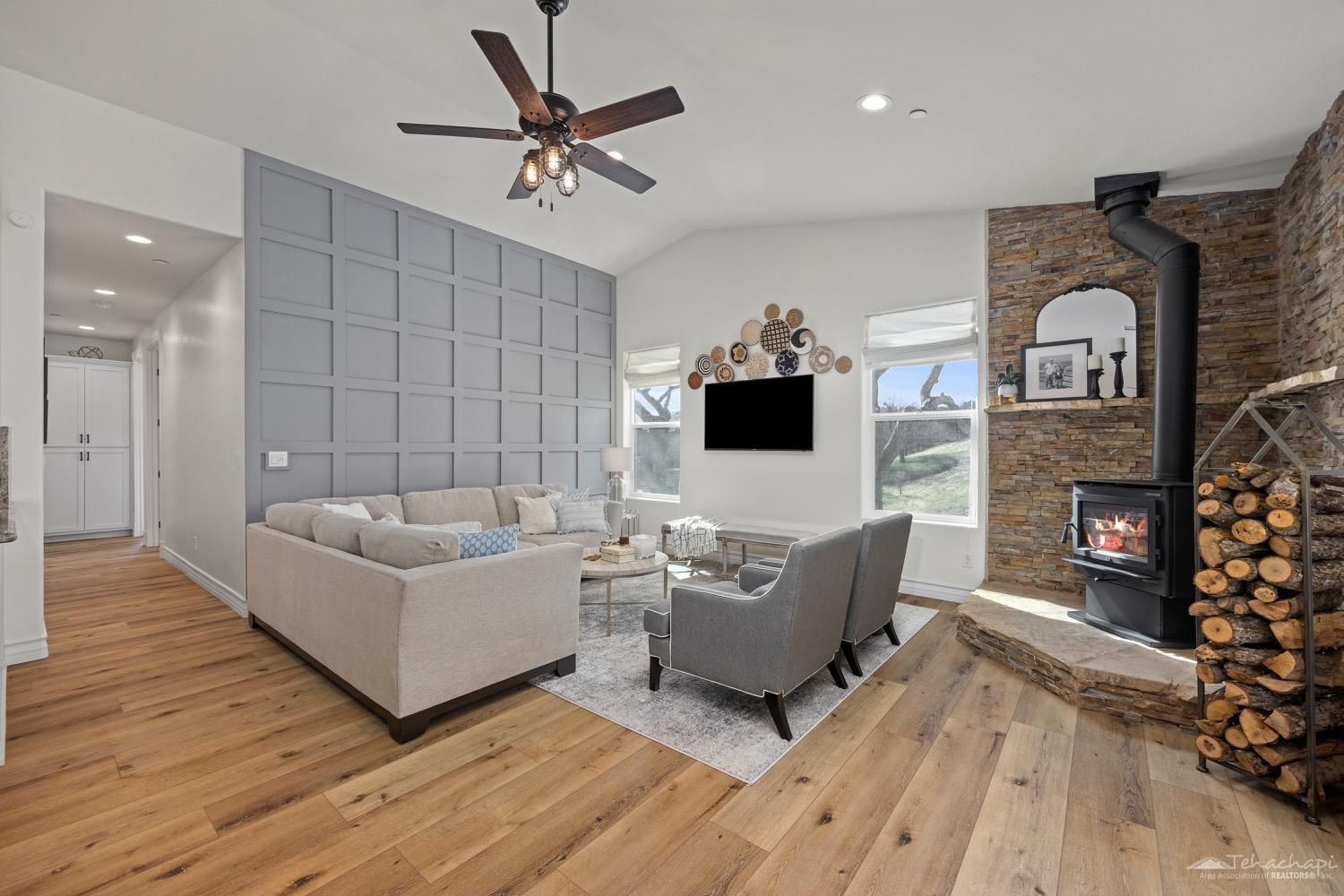
The biggest one is the balance between housing and utilities. You get significantly more land and square footage for your money—regional data puts housing costs roughly 28% below the national average—but operational costs run higher, with utilities sitting as much as 75% above the national average. Winters take real energy to heat, and many residents lean on a mix of electricity, propane (which needs regular delivery), and wood-burning stoves to keep bills manageable.
Because the community runs its own infrastructure, your billing looks a little different from standard city living. Water is pumped locally by the CSD from the Cummings Basin, so new residents set up accounts directly with the district for water, wastewater, and trash. Internet has improved considerably—satellite options like Starlink and regional line-of-sight wireless providers make working from home fully viable—though traditional fiber-optic service remains rare.
A few practical realities are worth flagging directly:
None of these are dealbreakers for the people who love it here. They're simply the practical price of admission for a quieter, more spacious, closer-to-nature way of life.
Buying or selling in a community like Stallion Springs rewards local knowledge—the kind that comes from understanding water rights, raw land, acreage zoning, and the difference one ridgeline can make to a view or a commute. That's where Theresa Mann comes in. A Tehachapi local for more than 40 years with over two decades in real estate, Theresa specializes in homes, ranches, and raw land across Stallion Springs, Cummings Valley, Bear Valley, Golden Hills, and the surrounding mountain communities, with added expertise in water acquisition and farming property.
Her track record speaks for itself: voted Tehachapi's "Best & Favorite" Realtor six years running, and Keller Williams' #1 agent in total sales volume, gross commission, and unit count in 2021, 2022, and 2023. More than the awards, clients value her sincerity, work ethic, and eye for both the fine details and the big picture—the qualities that consistently earn returns above local standards.
If you're considering a move to Stallion Springs or thinking about selling, reach out to Theresa for honest, experienced guidance grounded in four decades of local insight. You can email her at [email protected] or call (661) 205-4088.