Tucked into the northern slopes of Bear Mountain in Kern County, Hart Flat is the kind of place that feels far removed from California's congestion while staying surprisingly easy to reach. This unincorporated rural community sits within the greater Keene area at elevations between roughly 2,000 and 4,500 feet, and it has built its identity around space, privacy, and a slower pace of life.
What you'll find here is a tight-knit country community of about 200 homes scattered across several distinct residential pockets, including Hart Creek Estates, Hart Oaks, Valley View, and Clear Creek. Blue oaks, pines, and native buckeyes define the landscape, the terrain is cattle-friendly, and wildlife is a constant companion, from deer crossing the hillsides to turkey vultures riding the thermals overhead. For buyers who want room to breathe and a genuine connection to the land, Hart Flat strikes a rare balance: rustic seclusion that still keeps modern conveniences within a short drive.
One of Hart Flat's biggest advantages is geography. The community sits directly off a major transit corridor, so the seclusion never comes at the cost of accessibility. It functions as a natural mountain gateway between the San Joaquin Valley and the high desert.
Tehachapi is about 12 miles east, roughly a 15-minute drive up the hill, and it serves as the everyday hub for residents needing groceries, dining, medical care, antique shops, cafes, and local wineries. To the northwest, the historic railroad community of Caliente sits about 10 miles down the winding canyon and offers a rustic nod to the region's deep rail heritage. Head 25 miles west and about 30 minutes down the mountain, and you're in the heart of Bakersfield, with full metropolitan amenities, regional hospitals, employment centers, and major shopping.
The lifeline tying it all together is Highway 58. Hart Flat has its own dedicated exit at Hart Flat Road, which means residents reach the highway directly rather than navigating miles of unmarked dirt roads first. From the exit, well-maintained arterials like Hart Flat Road and Valley Oak Road thread through the valley and climb into the individual estates. Whether you're commuting west toward Bakersfield or east toward the Mojave and Los Angeles (roughly two hours south), the trip starts the moment you reach the highway. One practical note: because of the elevation, keeping snow chains on hand during peak winter storms is a smart local habit.
Living in Hart Flat is less about settling into a neighborhood and more about adopting a way of life. This is country built for self-reliance, privacy, and an unhurried rhythm that's increasingly hard to find in this part of the state.
The privacy here is real. Homes sit far apart, so your view is of rolling ridgelines, oak canopy, and unpolluted night skies rather than a neighbor's window. It's also a working landscape: chicken coops, horse stalls, small cattle operations, and private trail networks are all common sights on residents' own acreage. The seasons shift in a way the valley floor never sees, with summers noticeably cooler than Bakersfield, crisp autumns, and just enough winter snow to be beautiful without trapping anyone indoors for weeks.
Underlying all of it is a spirit of independence. Homes run on private wells, propane, and septic systems, and there's a quiet pride in maintaining your own homestead. That said, the independence isn't isolation. Neighbors respect each other's space but are quick to show up with a tractor or a hand when a storm rolls through or a tree comes down.
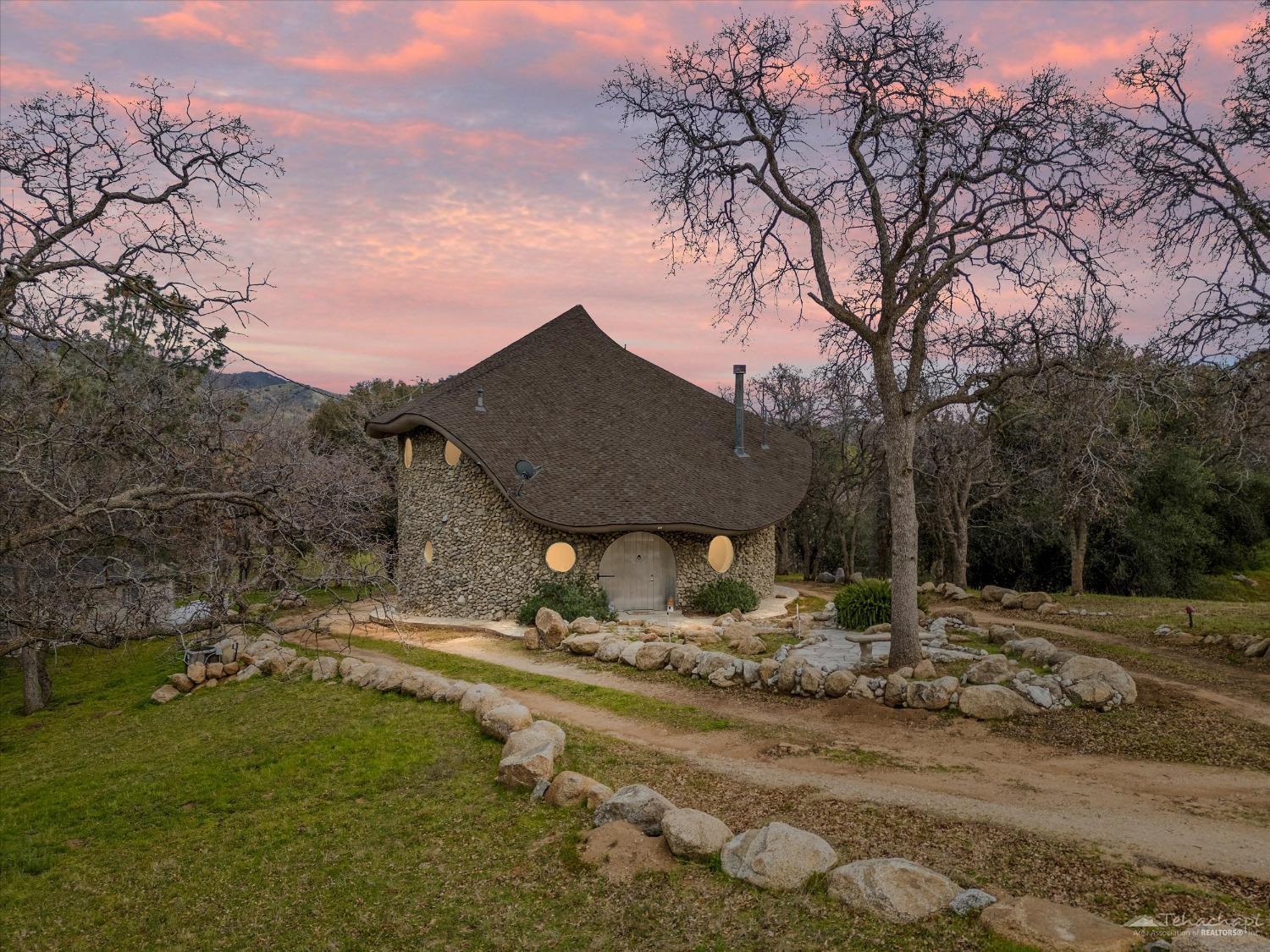
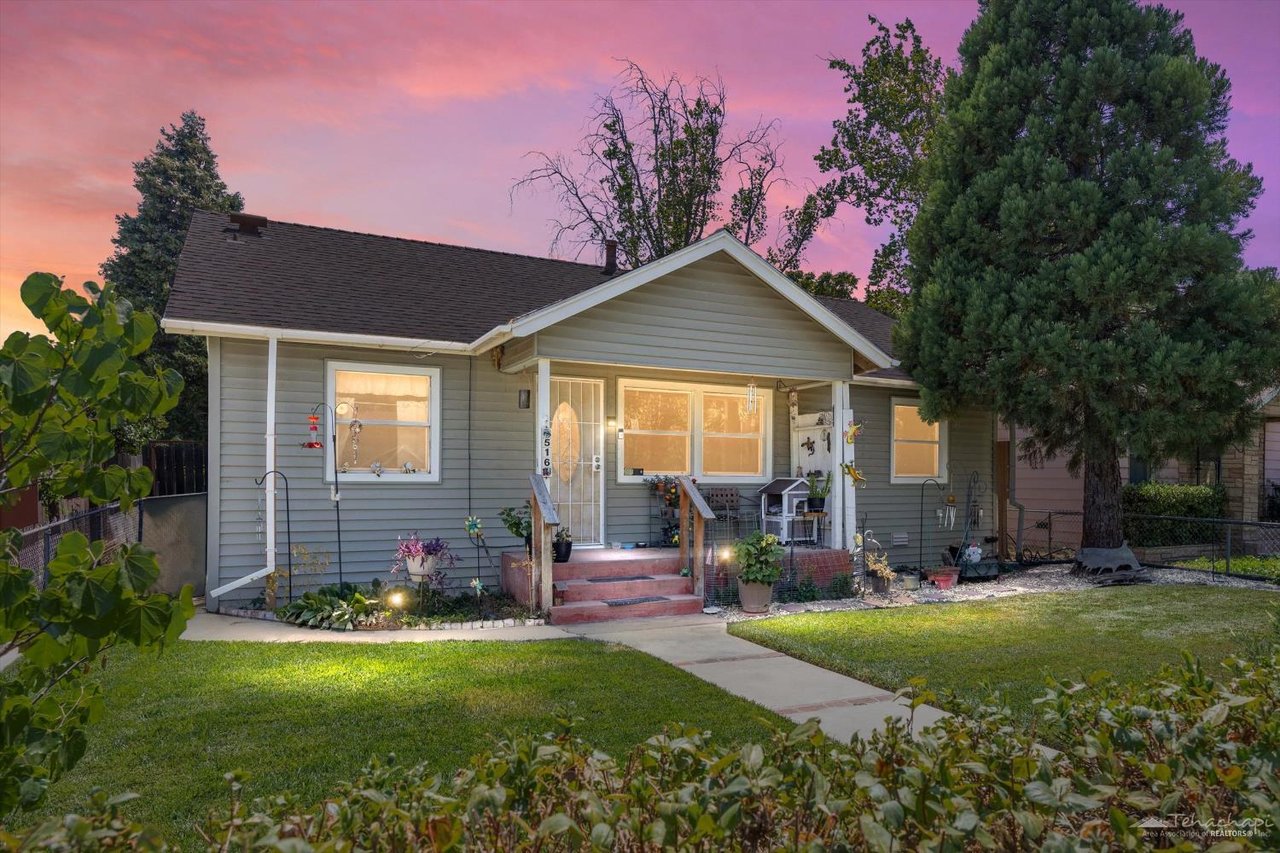
Hart Flat's housing market is specialized, built almost entirely around custom acreage and long-term estates rather than tract subdivisions. You won't find cookie-cutter homes here. Instead, the market breaks down into two categories: custom ranch and mountain homes, and vacant land.
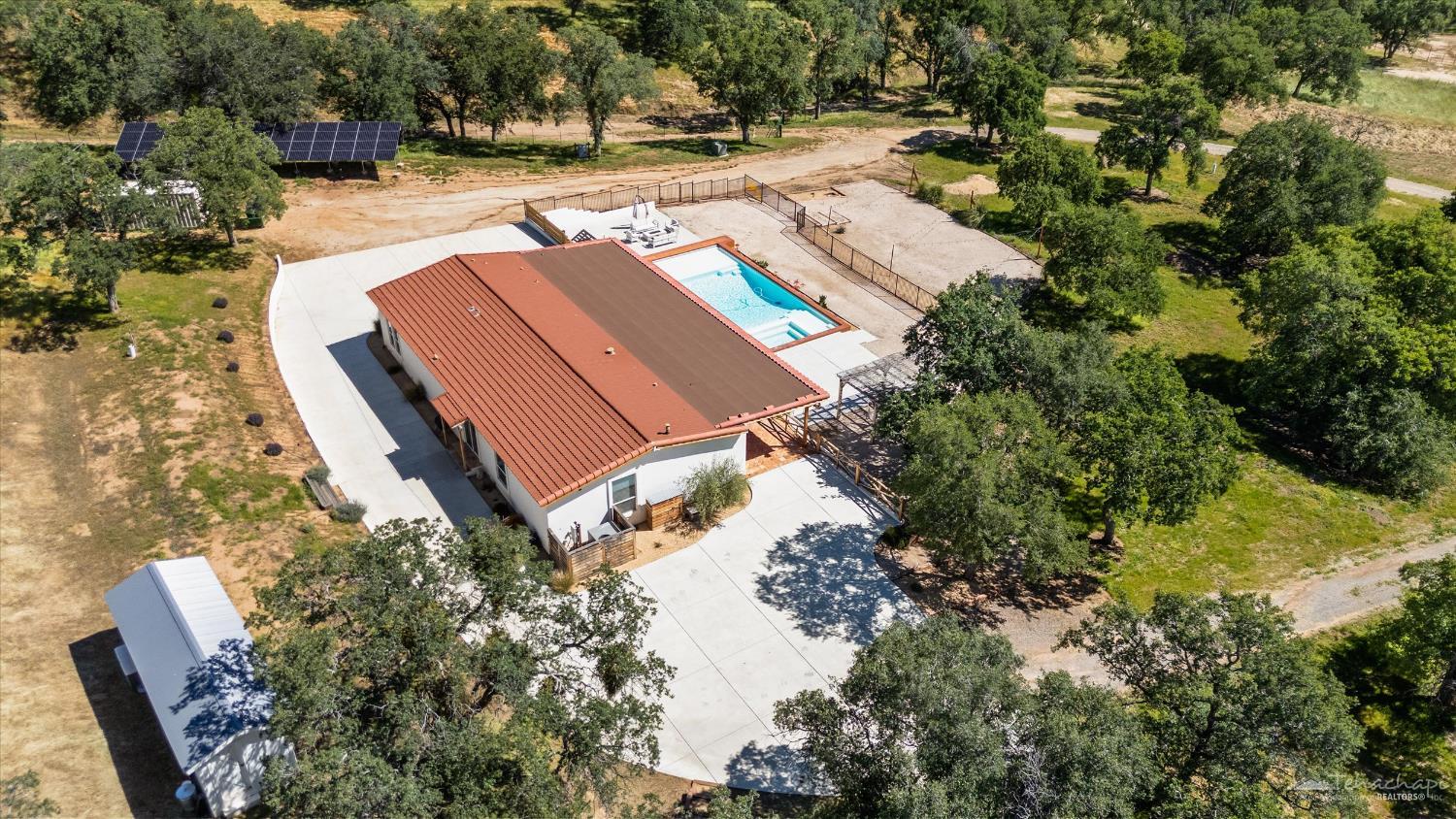
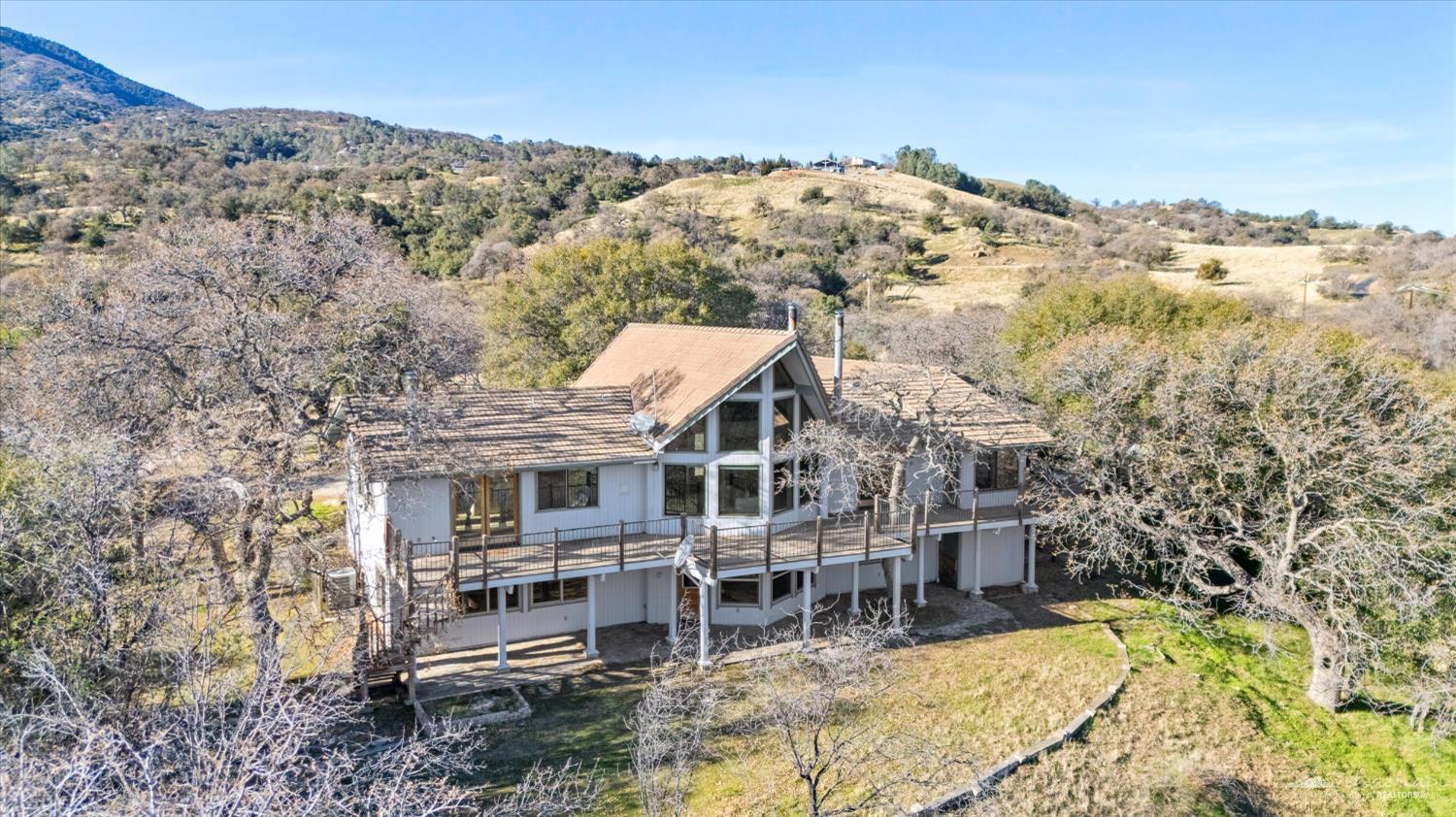
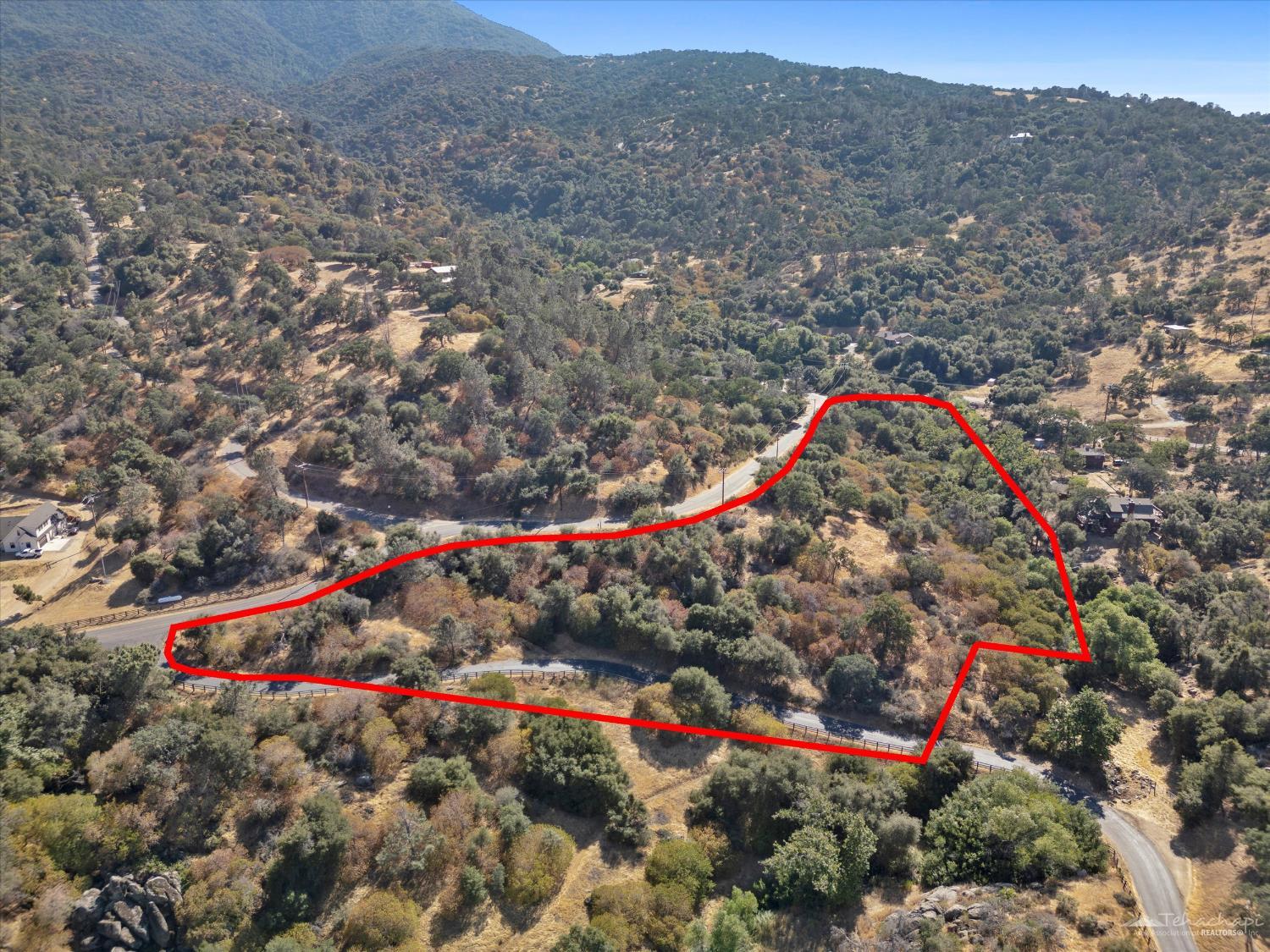
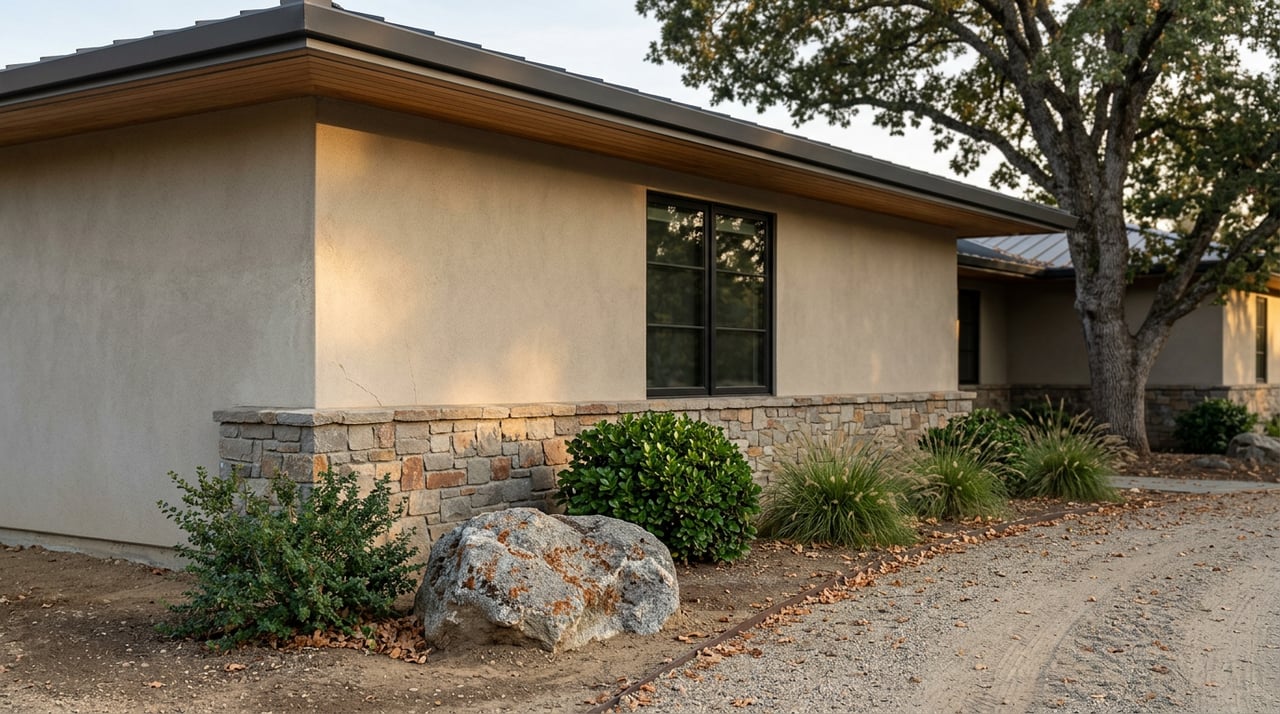
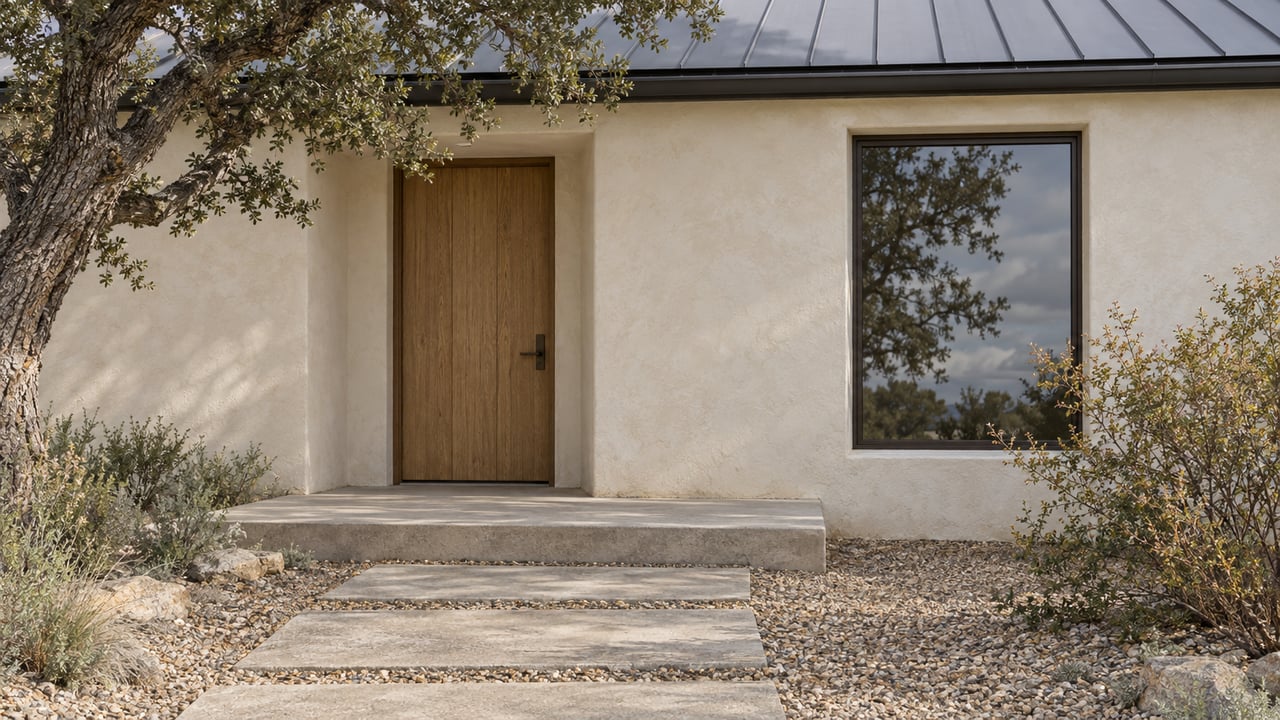
The homes range from rustic log cabins and mid-sized family houses to expansive estates well over 3,000 to 4,500 square feet, and nearly all of them sit on sweeping parcels of 5 to 20-plus acres. For buyers who want to build their own off-grid retreat or equestrian property from scratch, undeveloped parcels featuring mature oaks and dramatic rock outcroppings come up regularly.
Because there are only around 200 homes in the entire area, inventory stays low, and properties tend to command a premium over the nearby Central Valley thanks to their acreage and setting. Here's a general sense of where pricing tends to land:
| Property Type | Typical Price Range | Key Features |
|---|---|---|
| Undeveloped Land / Lots | $65,000 – $250,000 | 5 to 10+ acres; requires well-drilling and septic installation |
| Mid-Sized Homes / Cabins | $450,000 – $650,000 | 2–3 bedrooms, 1,200–2,000 sq. ft., older custom builds on large plots |
| Luxury Mountain Estates | $750,000 – $1,200,000+ | 4+ bedrooms, 3,000+ sq. ft., premium views, horse setups, workshops |
Hart Flat behaves like a destination market. Properties often sit a little longer than standard suburban listings because they require a specific buyer, someone who values acreage over walkable conveniences and understands rural infrastructure. But values have proven resilient. The growth of hybrid and remote work has sustained steady demand from buyers leaving coastal cities and Bakersfield in search of fresh air, safety, and elbow room.
For buyers who need functional land and freedom from tight urban zoning, Hart Flat is a premier destination. The word "acreage" means something different here. Where many rural subdivisions sell single-acre lots, Hart Flat parcels commonly run 5 to 20-plus acres, and some heritage cattle ranches nearby span hundreds or even thousands of contiguous acres.
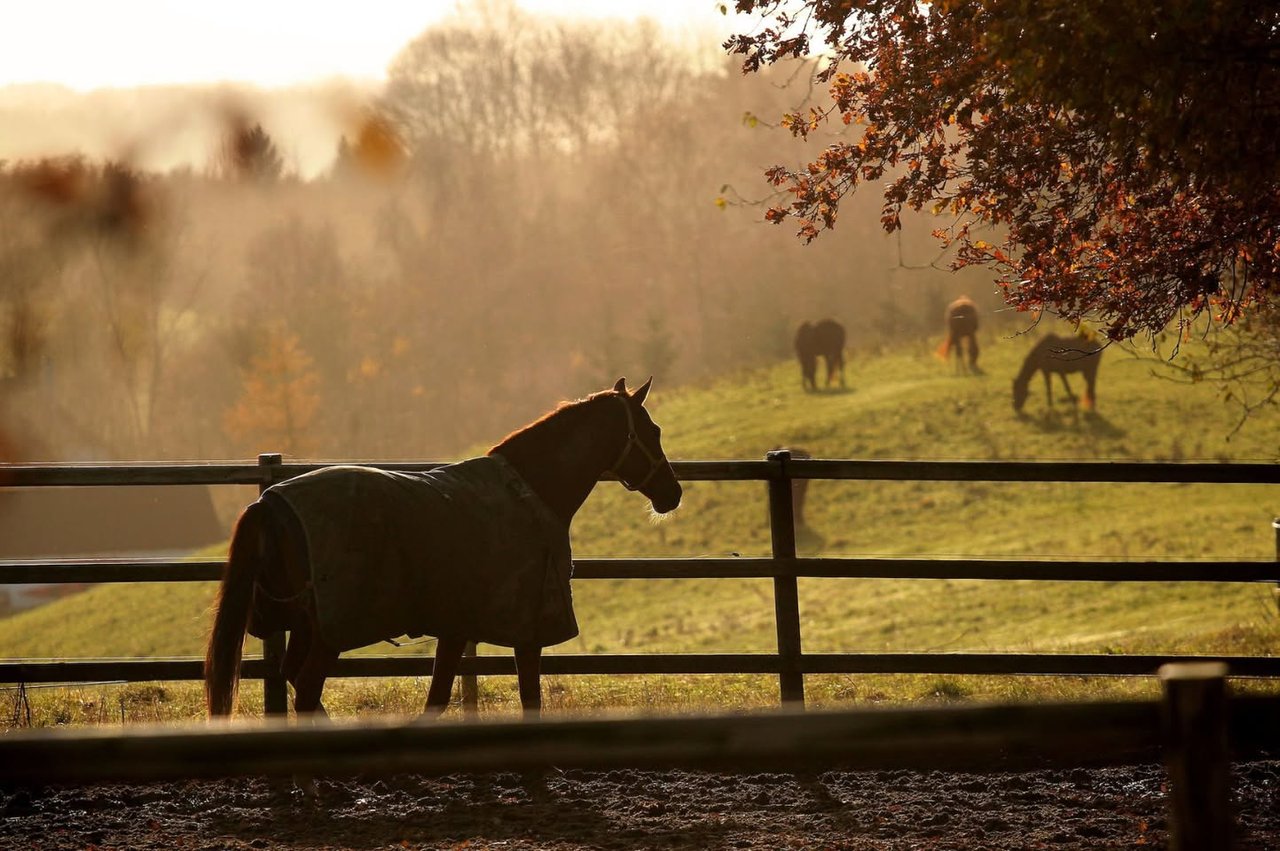
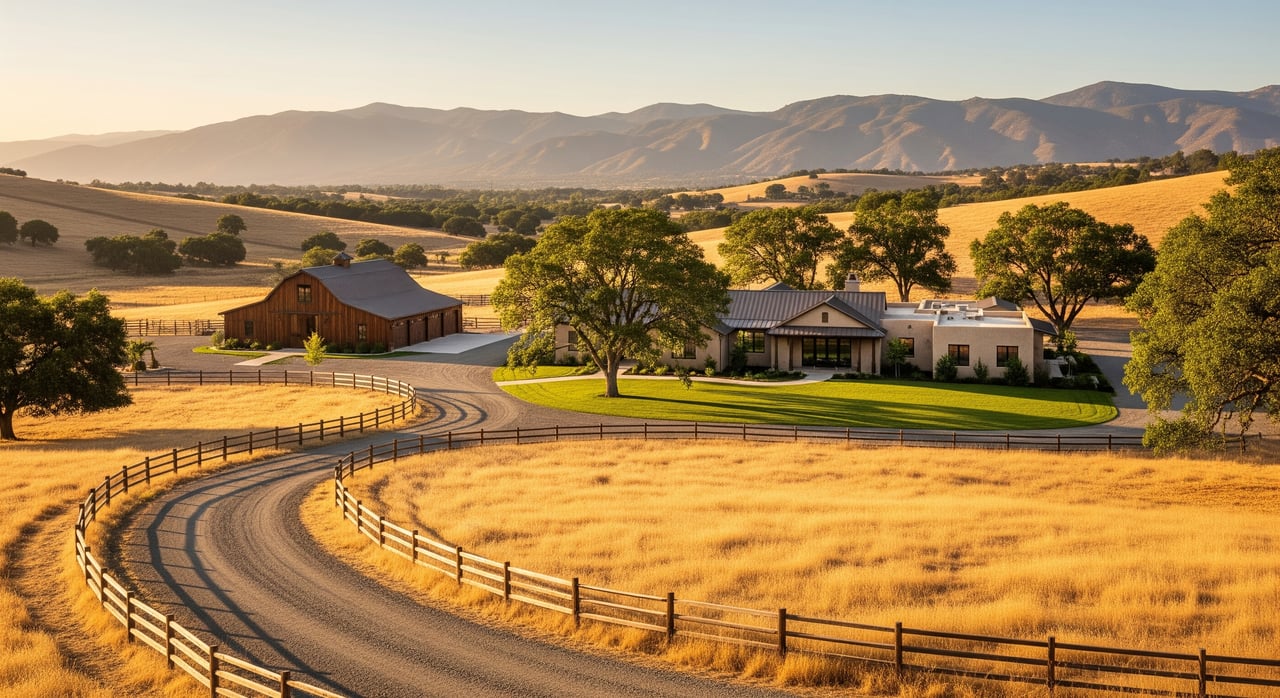
That scale makes the area especially suited to equestrian and agricultural use. Generous lot sizes easily accommodate multi-stall barns, round pens, arenas, and tack rooms, and because properties connect through quiet country easements and fire roads, riders can often head out on trails directly from home. Hart Flat is explicitly recognized as a cattle-friendly community; its rich alluvial soils, primarily Steuber sandy loam, paired with natural seasonal grasses, make it well suited to rotationally grazing horses, small cattle herds, sheep, or goats.
The homesteading potential is just as strong. Property setups frequently include large workshop garages, metal barns, fruit orchards, and sizable chicken coops, and the abundance of space lets residents build genuinely self-sufficient homesteads without the constraints of an overbearing HOA.
Geographically, Hart Flat occupies a striking transition zone. It sits in the northern slopes and foothills of the Tehachapi Mountains, where the Central Valley floor, the high desert, and the southern Sierra Nevada all meet. The topography moves dramatically, from a valley floor around 2,000 feet up to rugged crests near 4,500 feet.
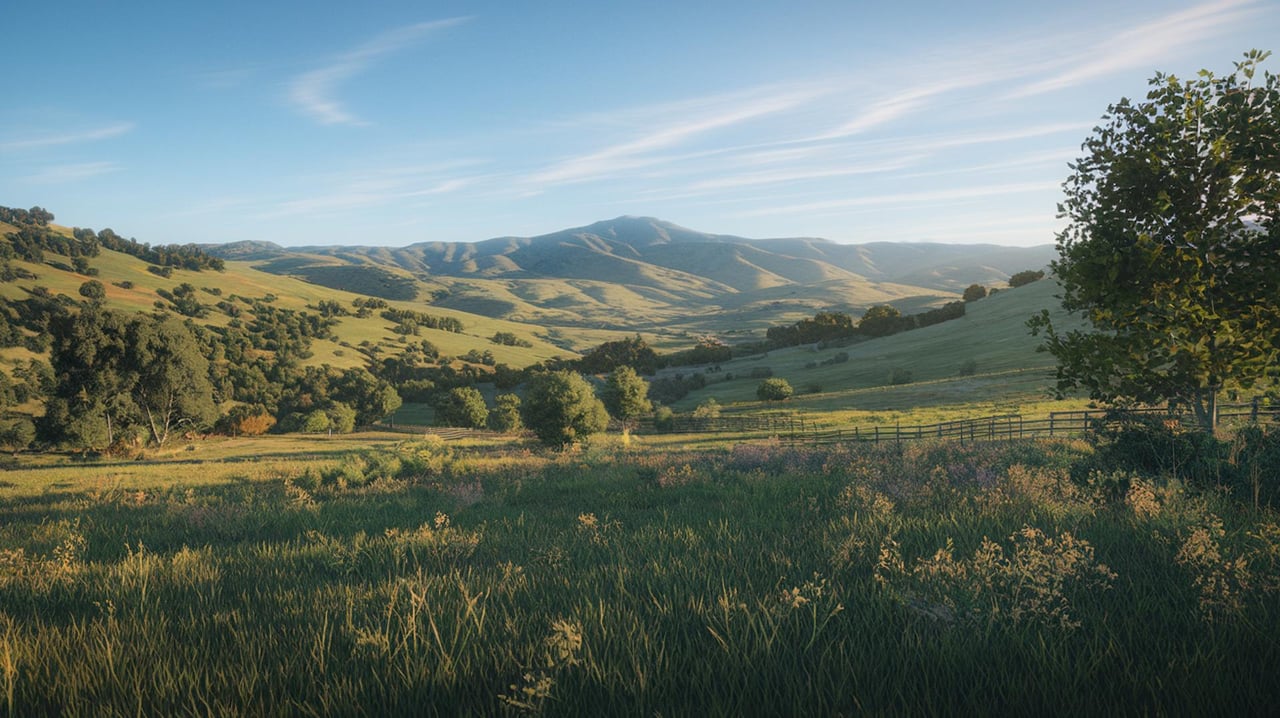
Towering directly to the south is Bear Mountain, which peaks at 6,973 feet and shields the valley, creating the micro-climates that keep Hart Flat cooler and crisper than the San Joaquin Valley below. The north-facing slopes reward homeowners with shifting panoramas. Depending on where a property sits, the view might take in the northern rim of the Tehachapis, the Piute Mountains, or the snow-dusted peaks of the southern Sierra across the canyon.
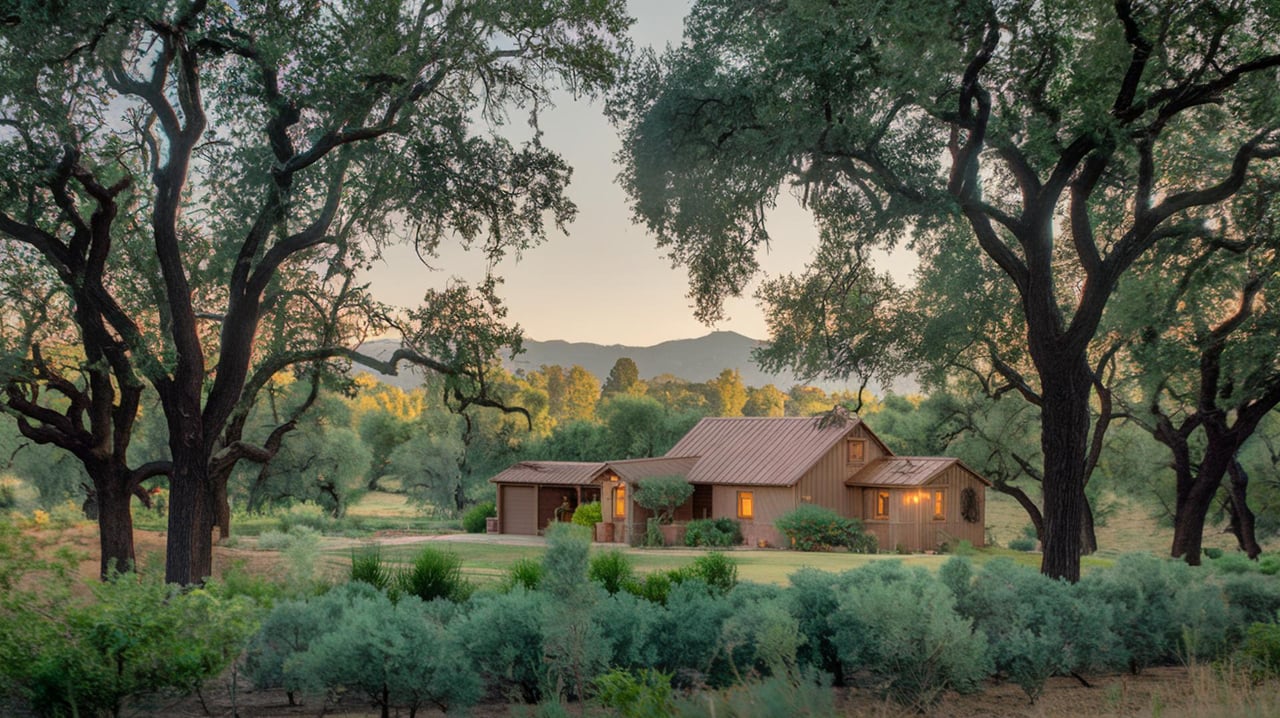
The natural setting is defined by undisturbed California woodland. Blue oaks, red oaks, and valley live oaks dominate the lower rolling hills, while pines and native buckeyes cluster as the elevation climbs, and sycamores and holly oaks thrive along seasonal waterways like Clear Creek and Hart Creek. With so little dense development, the area functions as a natural wildlife corridor, shared with deer, wild turkeys, bobcats, foxes, and an impressive population of raptors that includes golden eagles, red-tailed hawks, and turkey vultures.
The climate is one of Hart Flat's quiet selling points. At 2,000 to 4,500 feet, the community escapes both the stagnant triple-digit heat of the Bakersfield valley floor and the harsh, wind-battered winters of the higher desert summits, landing instead in a genuine four-season rhythm.
Summers are mild, with highs typically in the 80s to low 90s and evenings that cool quickly on mountain breezes, a refreshing contrast to the valley just 25 miles west. Autumn brings a noticeable temperature drop, crisp air, and subtle color among the black oaks and buckeyes. Winters are real but manageable: daytime highs sit in the 40s to 50s, and because the community rests right on the snow line, residents enjoy several light-to-moderate dustings each year without the multi-foot drifts that paralyze higher towns. Spring then transforms the hills into vivid green, dotted with California poppies, lupines, and wild grasses fed by winter rain and snowmelt.
Buying in Hart Flat means trading municipal utility bills for self-reliance. There are no city water mains, sewer lines, or natural gas pipes here, so understanding decentralized infrastructure is part of owning a home.
Water is the single most important asset. Properties draw from private wells tapping underground mountain aquifers and fractured rock systems, with depths that vary widely by topography, anywhere from 200 to over 800 feet. When buying land or an existing home, testing the well's recovery rate (gallons per minute) and water quality is an essential step, and most residents rely on storage tanks of 2,500 to 5,000 gallons for a reliable backup supply and fire protection.
Waste and heating are handled on-site as well. Wastewater runs through private septic tanks and leach fields; the area's sandy loam generally percolates well, though pumping every three to five years is standard upkeep. Without gas lines, homes depend on owned or leased propane tanks delivered by local trucks to power heating, water heaters, and stovetops, and many residents supplement with efficient wood-burning stoves fed by the abundant oak on their land.
Power is where planning matters most. Standard electricity reaches most homes through Southern California Edison overhead lines, but the region is prone to public safety power shutoffs (PSPS) during high winds and wildfire season. As a result, many residents invest in backup or alternative energy. The area has excellent solar potential thanks to its high count of cloudless days, and the mountain passes offer strong wind potential as well. Setups range from a simple backup generator on a transfer switch to full off-grid arrays with solar panels and battery storage, and having a secondary power plan is a hallmark of the smart Hart Flat homeowner.
For anyone who loves the outdoors, Hart Flat is an exceptional base camp, with hiking, wildlife viewing, and historic exploration essentially out the back door.
Because the community sits in the foothills of the Tehachapi Mountains, residents have direct proximity to large stretches of public and private land. Fire roads, utility easements, and animal tracks double as informal hiking and biking corridors, and the climbing terrain toward the base of nearly 7,000-foot Bear Mountain rewards the effort with sweeping valley views. A short drive up Highway 58 into Tehachapi also connects to the world-famous Pacific Crest Trail, where local segments wind through wind-turbine ridges and high-desert chaparral, offering excellent day hikes.
The surrounding area is rich with landmarks. Just down the road in Keene, the Cesar E. Chavez National Monument (Nuestra Señora Reina de la Paz) is a 187-acre historic site and the burial place of the civil rights leader, with peaceful memorial gardens, a visitor center, and quiet trails. A few miles away, the celebrated Tehachapi Loop draws rail enthusiasts and photographers to watch freight trains cross over themselves to gain elevation through the pass. And up the mountain in Tehachapi, the Brite Valley Aquatic Recreation Area centers on a stocked reservoir popular for camping, trout fishing, kayaking, and family picnics.
Although Hart Flat is rural, it plugs into established regional education pipelines, served by a mix of small local districts and the larger systems in nearby Tehachapi. Because of the community's geography, exact school zoning can vary by property location, though most secondary students filter into the Tehachapi Unified School District.
Younger children in the immediate area have historically attended small country schools, with the tiny, historic Keene-area campuses providing a hyper-local, small-classroom setting. Many families also use intradistrict transfers to send children to highly rated elementary campuses up the hill in Tehachapi, such as Cummings Valley Elementary or Tompkins Elementary. Older students typically commute about 15 minutes up Highway 58 to Jacobsen Middle School and Tehachapi High School, the latter well regarded in Kern County for its community support, competitive "Warriors" athletics, strong FFA chapter, and career-technical pathways that suit the rural lifestyle.
Given the area's independent character, alternative education is popular too. Kern County charter options like Valley Oaks Charter School support hybrid homeschooling, letting parents lead instruction at home while using a physical campus for workshops, labs, and social activities. Traditional homeschooling networks and co-ops are also a natural fit for families with space and time on their acreage.
Rural doesn't mean isolated. A 15-minute drive east on Highway 58 lands residents in Tehachapi proper, a thriving mountain town with the modern services and retail that daily life requires.
Tehachapi is the commercial hub for the surrounding mountain communities, so a full day of errands rarely requires a trip down to the valley. The town has a large Walmart Supercenter, a well-stocked Albertsons, and a Save Mart anchoring the revitalized Tehachapi Towne Center, alongside downtown specialty shops, artisan boutiques, and livestock feed and tack stores. No trip "up the hill" is complete without stopping at Kohnen's Country Bakery for German pastries and fresh bread, and the area also supports local microbreweries, mountain diners, and vineyard tasting rooms.
Essential services are well covered. Adventist Health Tehachapi Valley, a modern 25-bed critical access hospital, sits just minutes away with a 24-hour emergency department, imaging, surgical services, and lab care, surrounded by primary care clinics, dental and physical therapy offices, and pharmacies. And given the livestock-dense nature of the region, Tehachapi is home to respected veterinary clinics equipped for both household pets and large farm animals.
Hart Flat is a beautiful contradiction: a wild, rugged mountain landscape that sits moments from a four-lane highway. That makes it a dream for some buyers and a poor fit for others, and being honest about which one you are will save you time.
Hart Flat tends to be the right call if you value privacy and acreage over manicured suburban lawns, if you embrace the responsibility of managing your own well, septic, and backup power, if you're an equestrian or hobby farmer who wants unrestricted land for barns, pens, and orchards, and if you want a true four-season climate with mild summers and just enough winter snow to enjoy. It tends to be the wrong call if you expect plug-and-play municipal utilities, want a walk-to-the-corner-store atmosphere or a late-night urban scene, or dislike short highway commutes for groceries, appointments, and school runs.
Ultimately, Hart Flat offers something increasingly rare in Southern California: the chance to own a large, oak-canopied parcel where the deer outnumber the people, the stars shine without light pollution, and city conveniences stay comforting but out of sight. For the right buyer, it's less a property purchase than a sanctuary.
Navigating a market like Hart Flat takes more than a general understanding of real estate; it takes someone who knows wells, water rights, raw land, and the realities of mountain living. That's where Theresa Mann comes in. A Tehachapi local for over 40 years with 25 years of real estate experience, Theresa specializes in homes, ranches, and raw land, with added expertise in water acquisition and farming, exactly the knowledge Hart Flat buyers and sellers need. Her track record speaks for itself: community-voted Tehachapi's "Best & Favorite" Realtor for six years running, and her brokerage's #1 agent in total sales volume, GCI, and unit count across 2021, 2022, and 2023. Her coverage area spans Tehachapi, Hart Flat, Bear Valley, Stallion Springs, Cummings Valley, Keene, and the surrounding communities.
If you're thinking about buying or selling in Hart Flat, or simply want a straight answer about what your land or dream property is really worth, reach out to Theresa directly at (661) 205-4088 or [email protected]. Whether you're searching for acreage to build on or ready to list, she'll help you navigate this one-of-a-kind market with care, candor, and local expertise.