Welcome to Downtown Tehachapi, CA
Sitting at nearly 4,000 feet in the heart of the Tehachapi Mountains, Downtown Tehachapi is the cultural and historic core of the city—a place where the whistle of a passing freight train is still part of daily life. This is a walkable, independent, mountain-town district built around brick storefronts, local bakeries, and wide sidewalks framed by peaks in almost every direction. Whether you're considering a move here or simply want to understand what makes this pocket of Kern County distinct, this guide walks through the district's history, character, housing, and rhythms of everyday life, drawing on decades of firsthand local knowledge.
A Brief History of the Downtown District
The Tehachapi Valley's story begins long before the town did. For generations it was home to the Kawaiisu people, and it wasn't until the mid-19th century that settlers arrived, drawn by cattle ranching, agriculture, and limestone mining. Downtown as we know it, though, was truly cemented in 1876, when the Southern Pacific Railroad completed its line through the Tehachapi Pass—including the famous engineering feat known as the Tehachapi Loop. The district grew rapidly around the tracks, becoming a vital shipping hub linking California's Central Valley with Los Angeles and the Mojave Desert.
That trajectory was violently interrupted on July 21, 1952, when a magnitude 7.3 earthquake centered near Tehachapi destroyed much of the original downtown brick architecture and claimed twelve lives. The community rebuilt with reinforced structures, which altered the architectural footprint but preserved the original grid centered on Green Street and Tehachapi Boulevard. In more recent decades, Tehachapi joined the Main Street America program and undertook targeted revitalization—restoring landmarks, adding streetscapes, and preserving the 1904 Tehachapi Depot Railroad Museum, itself rebuilt after a 2008 fire. Understanding this layered history matters for anyone buying here, because the age and earthquake legacy of the housing stock directly shape what to look for in a home.
The Character and Feel of Downtown Tehachapi
Downtown Tehachapi strikes an unusual balance: alpine mountain charm on one hand, classic American small-town warmth on the other. The core along Green Street and Tehachapi Boulevard is genuinely walkable, with wide sidewalks, vintage streetlights, local murals, and brick facades. You won't find big-box retailers or national chains in the historic district. Instead, the streets are populated by long-standing German bakeries, craft breweries, wine-tasting rooms, antique shops, and family-owned restaurants—an independent, local spirit that gives the place its identity.
The railroad remains a defining sensory feature; the rumble and whistle of freight trains reinforce the town's living connection to commerce and travel. And more than anything, downtown functions as the gathering place for the entire valley. Between the weekly farmers market, seasonal art walks, mountain festivals, and holiday parades, the district carries an energetic, neighborly atmosphere year-round.
Where Downtown Sits Within the Greater Tehachapi Area
Downtown is the geographic and civic heartbeat of the broader Tehachapi Valley, which sits at roughly 3,970 feet. It occupies a strategic transit corridor between the San Joaquin Valley—Bakersfield is about 35 miles northwest—and the Mojave Desert, around 20 miles east, by way of the Tehachapi Pass.
The district falls squarely within the incorporated limits of the City of Tehachapi, anchored along Tehachapi Boulevard and Green Street. It's worth distinguishing it from "Old Town Tehachapi," located about four miles west along Highway 202 (Valley Boulevard); Old Town was the valley's original 1860s settlement, and downtown replaced it as the commercial center once the railroad built its depot farther east in 1876. Beyond the city grid, downtown serves as the primary hub for dining, services, and government for the surrounding unincorporated mountain communities, including Golden Hills, Bear Valley Springs, Stallion Springs, and Alpine Forest.
Housing and Real Estate in and Around Downtown
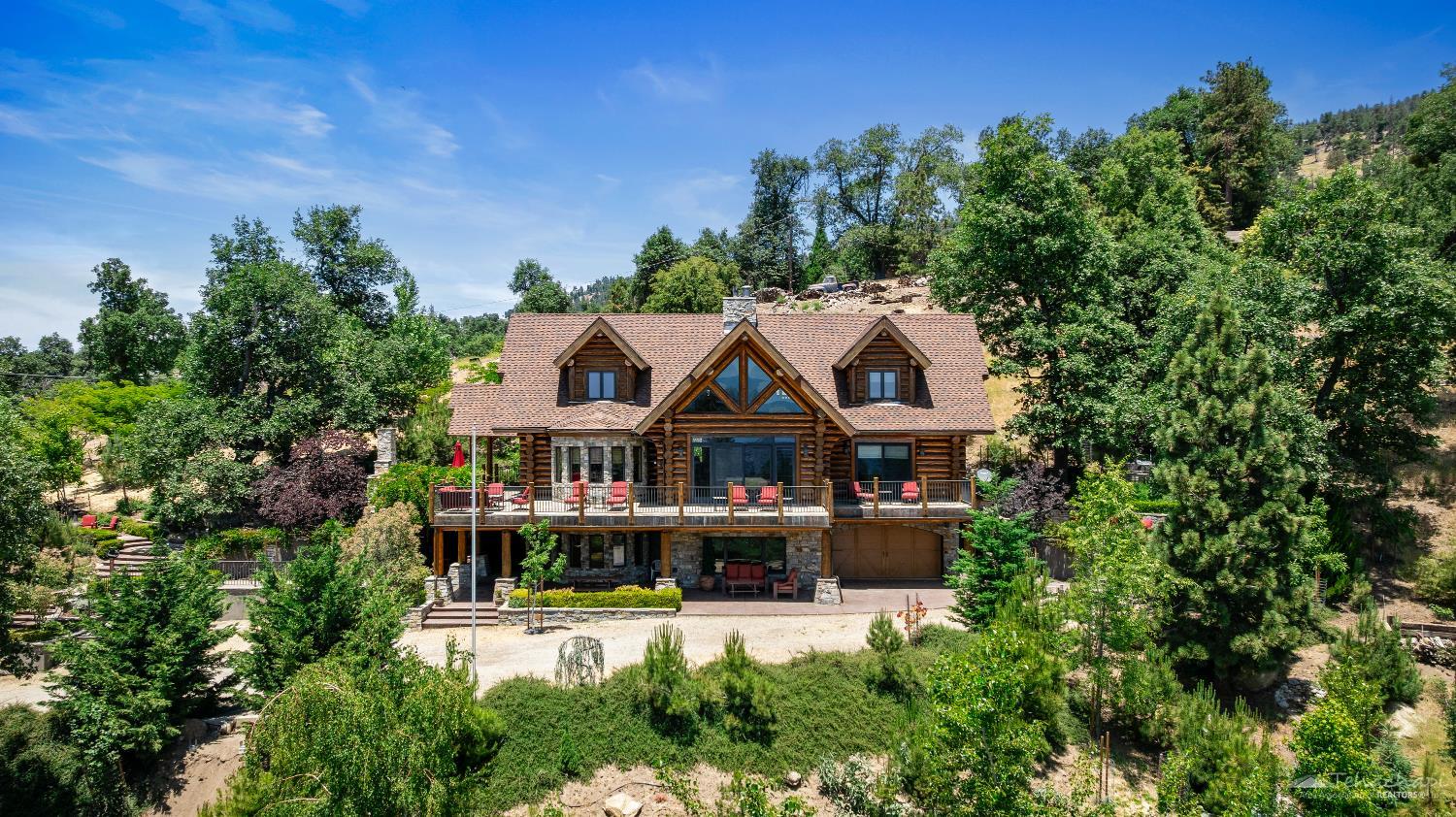
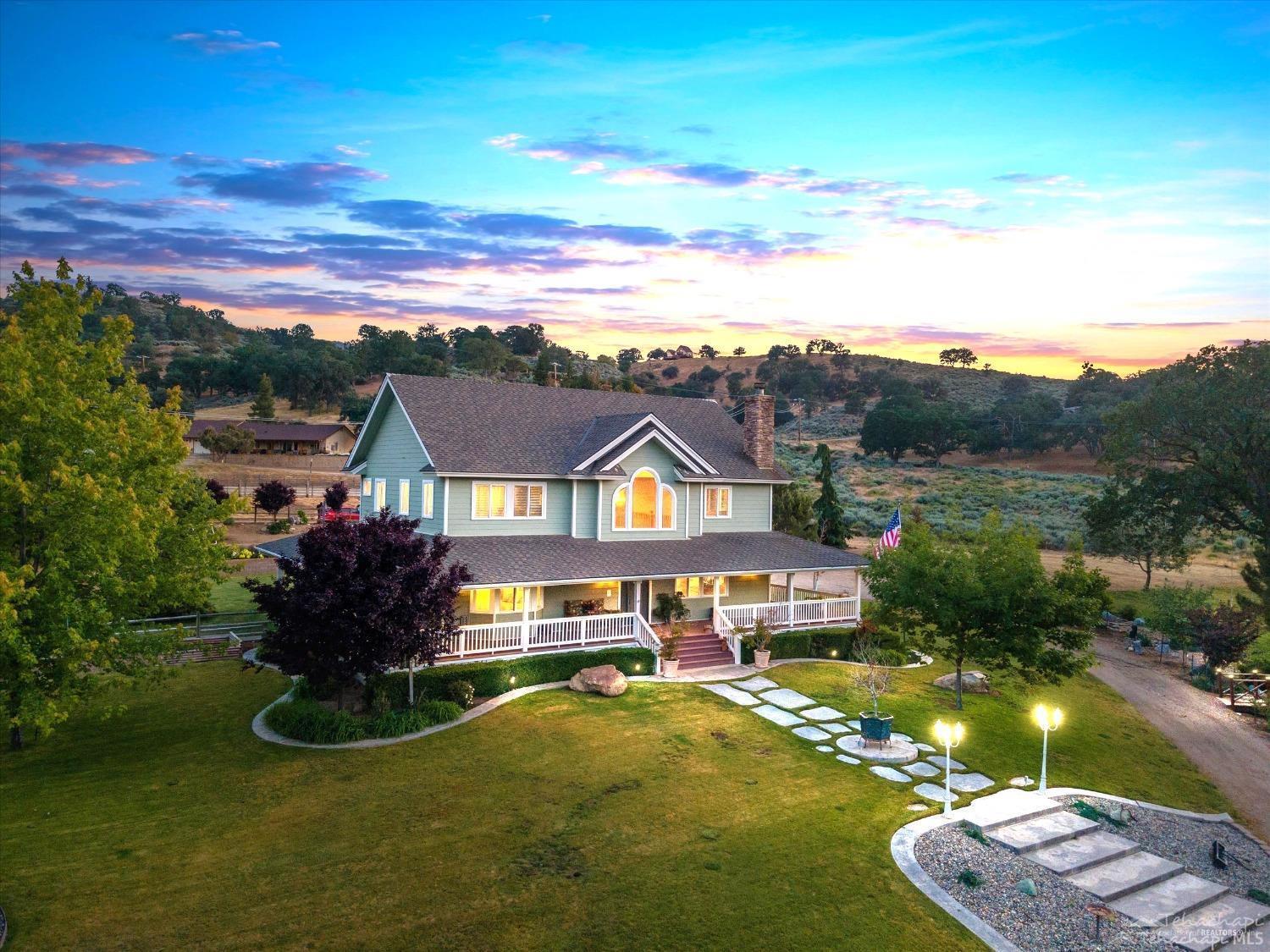
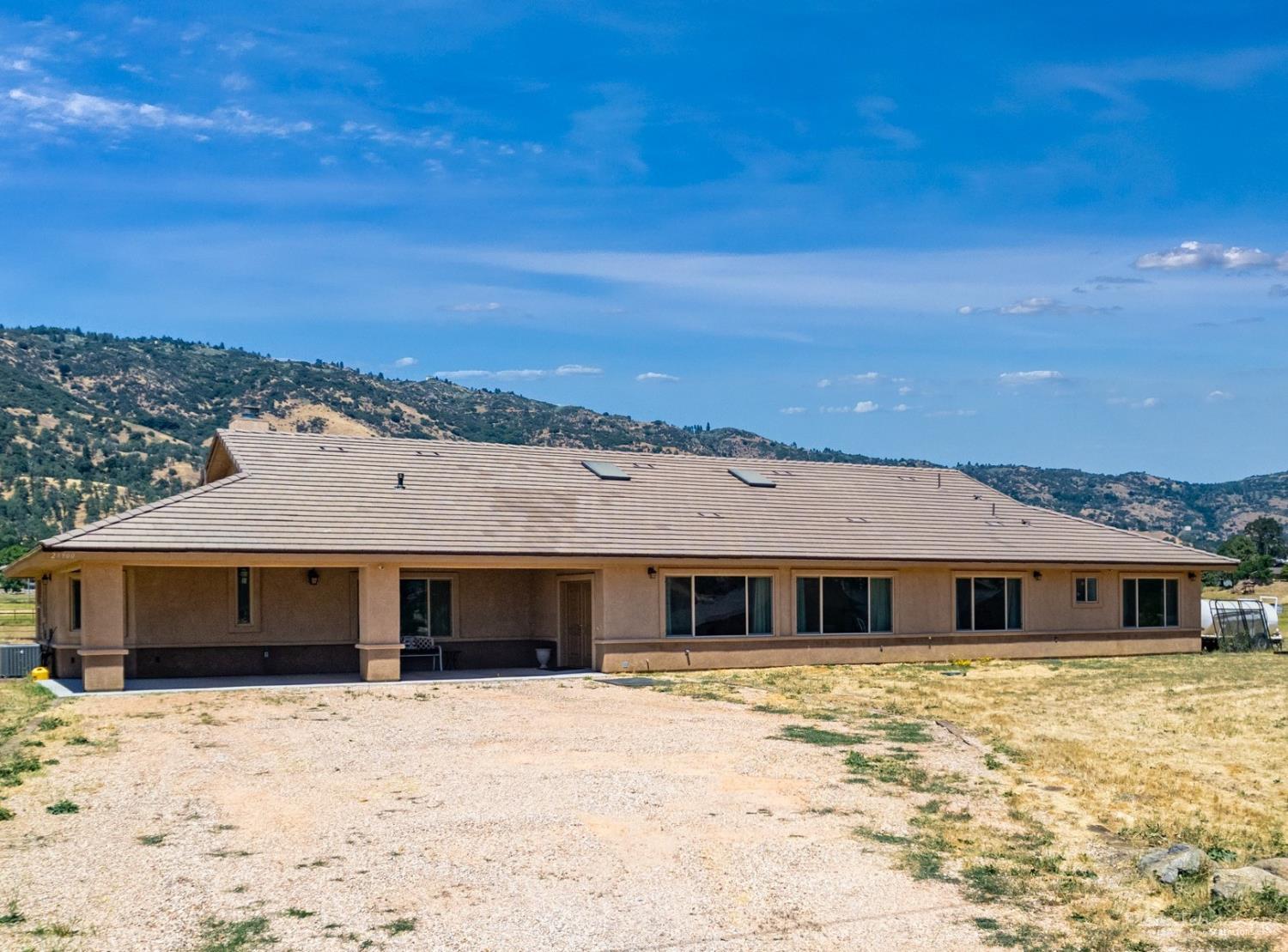
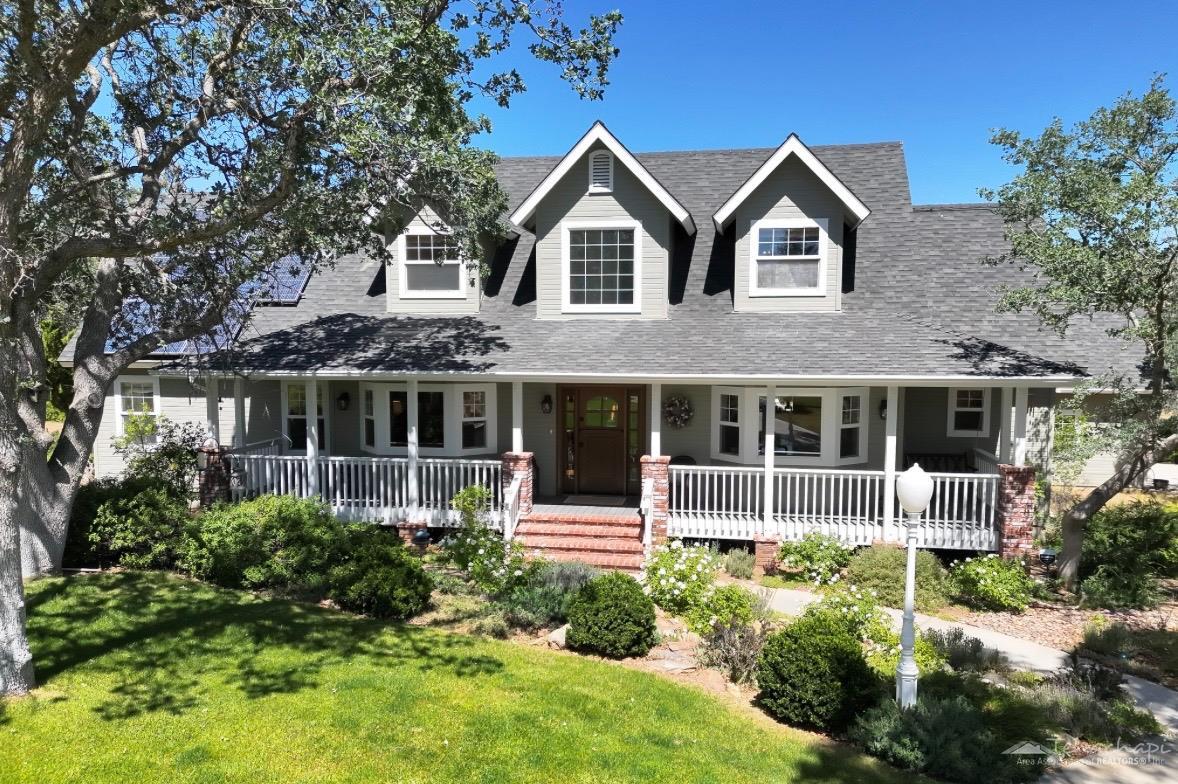
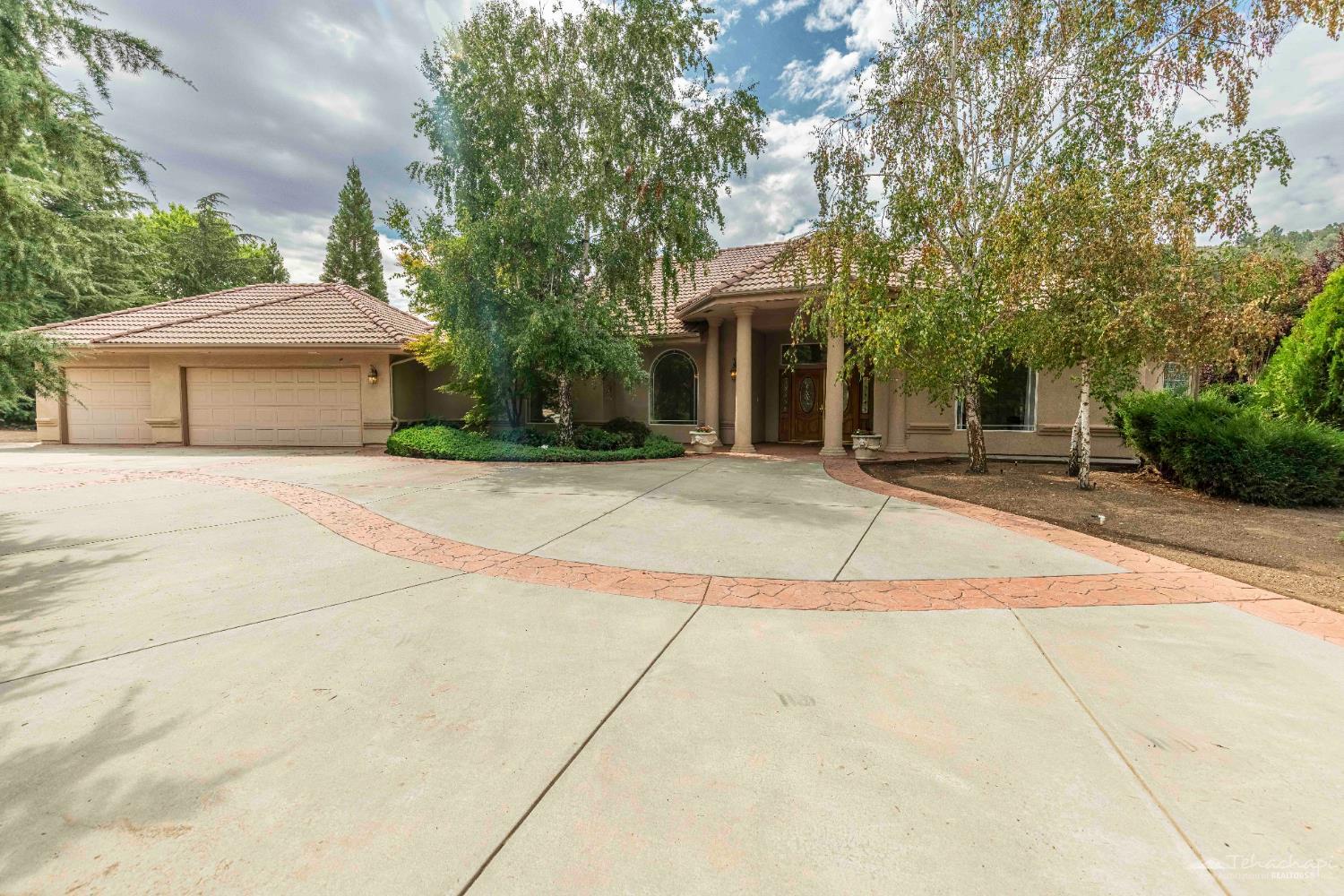
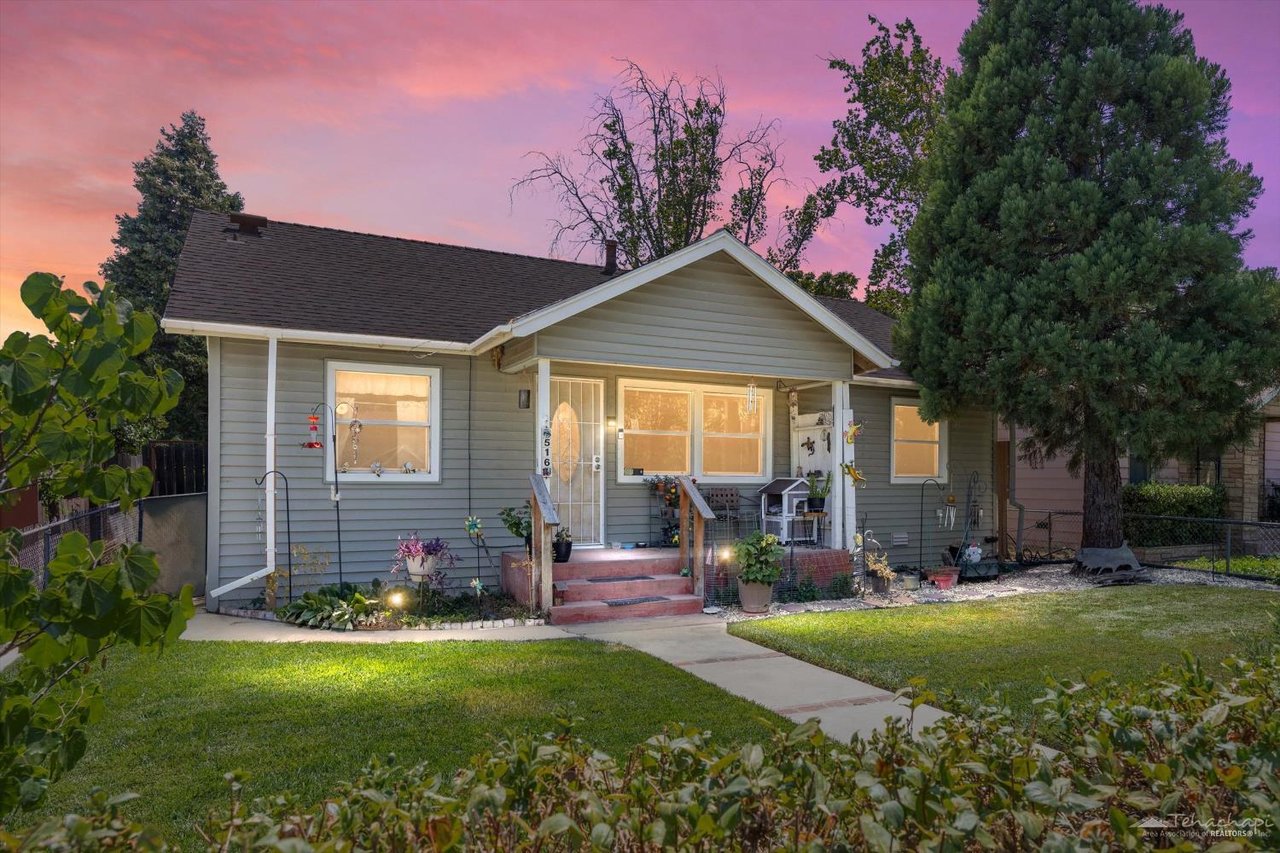
Housing right around downtown looks quite different from the rural subdivisions and gated mountain developments that ring the valley. Within the walkable grid—the neighborhoods surrounding Green, Maple, and the lettered A through F streets—you'll find mostly mid-century single-story ranch homes, 1920s to 1950s California bungalows, and the occasional Craftsman. These sit on standard urban grid lots, typically 0.15 to 0.3 acres, often with alley access, mature shade trees, and fenced yards. For many buyers, homes in the downtown city limits represent one of the most accessible entry points into Tehachapi real estate, generally running from around $300,000 to $450,000 for a standard two- or three-bedroom single-family home. Their appeal is straightforward: walkability to restaurants, schools, parks, and events without the burden of maintaining large acreage.
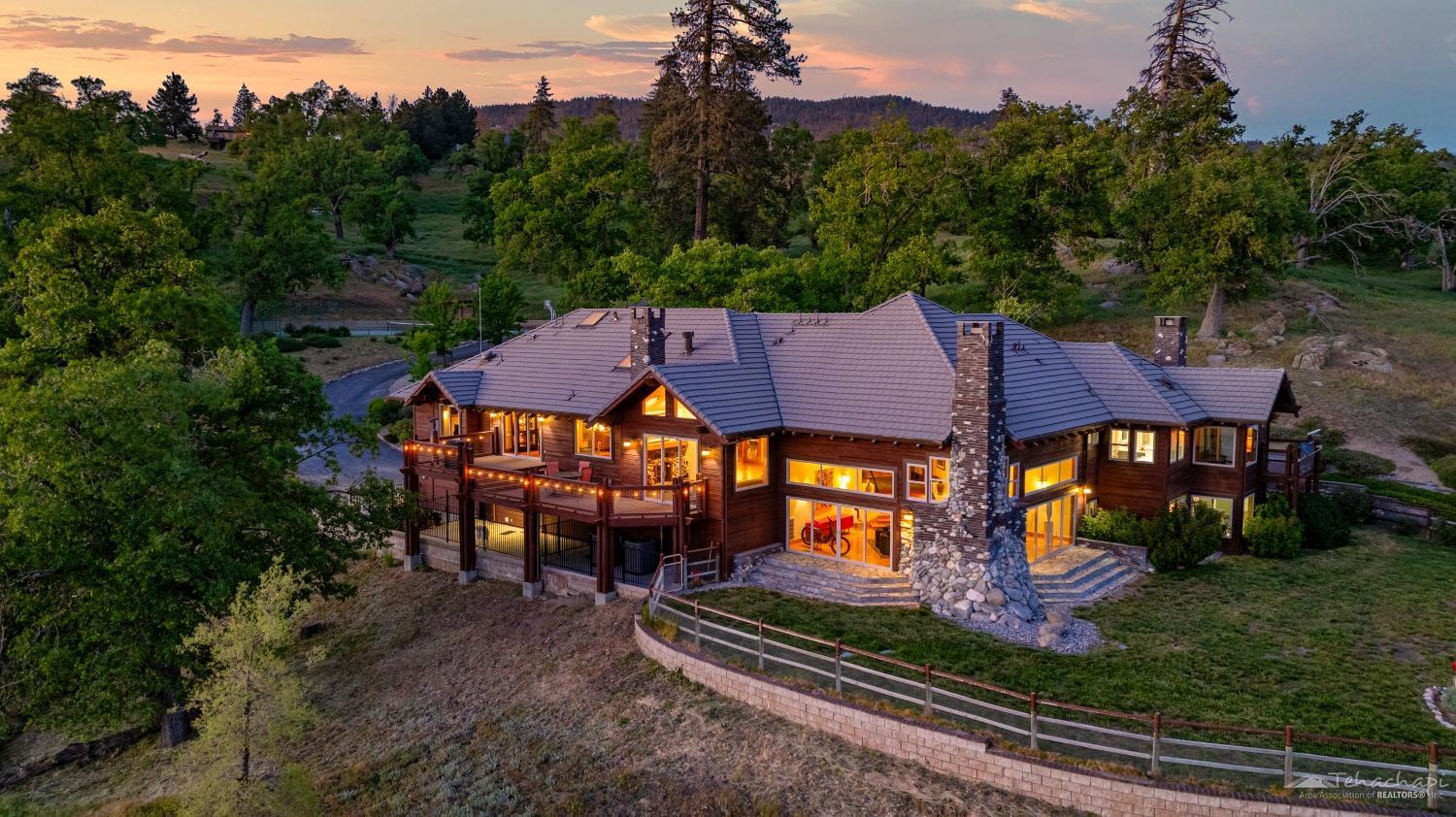
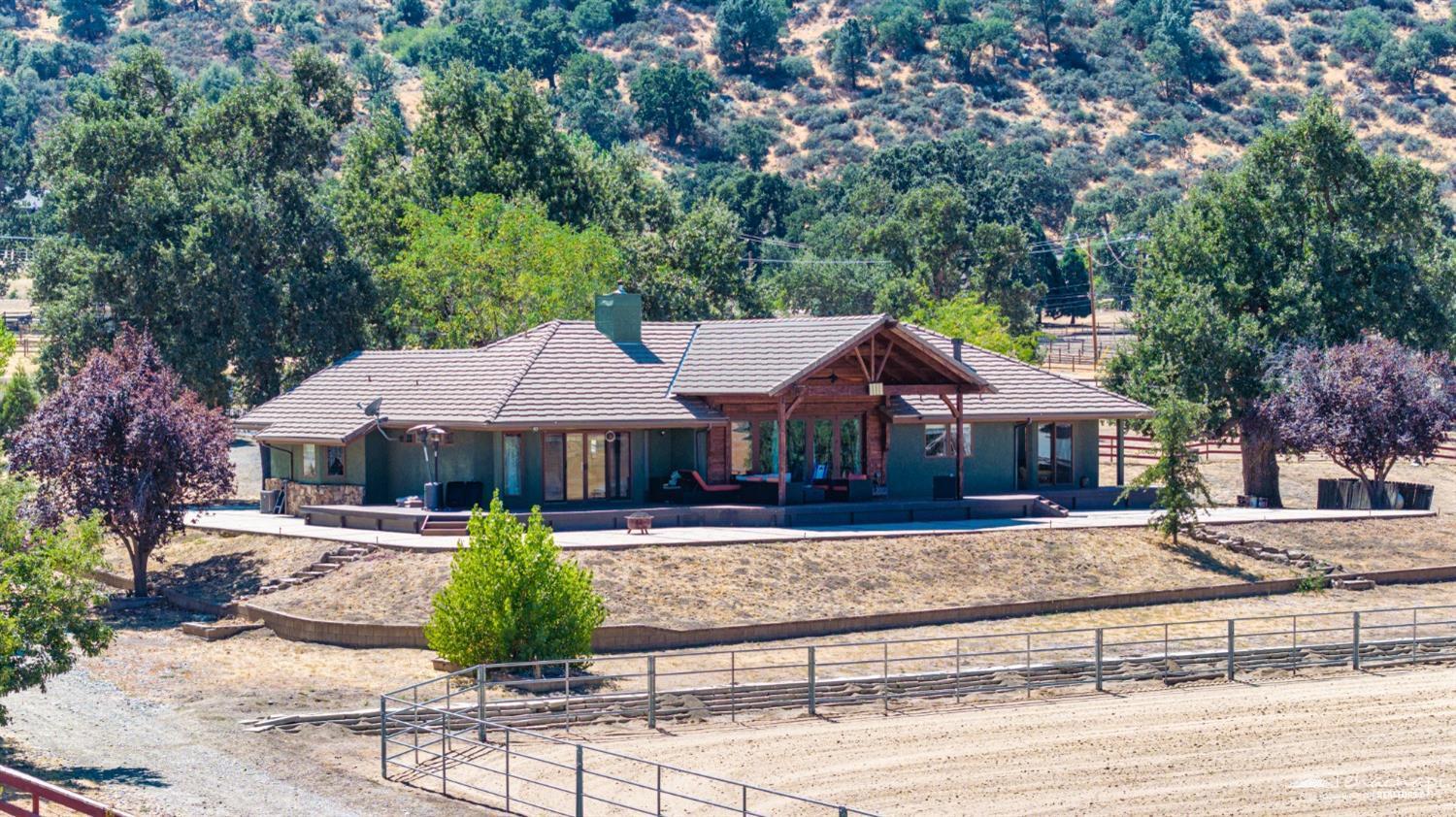
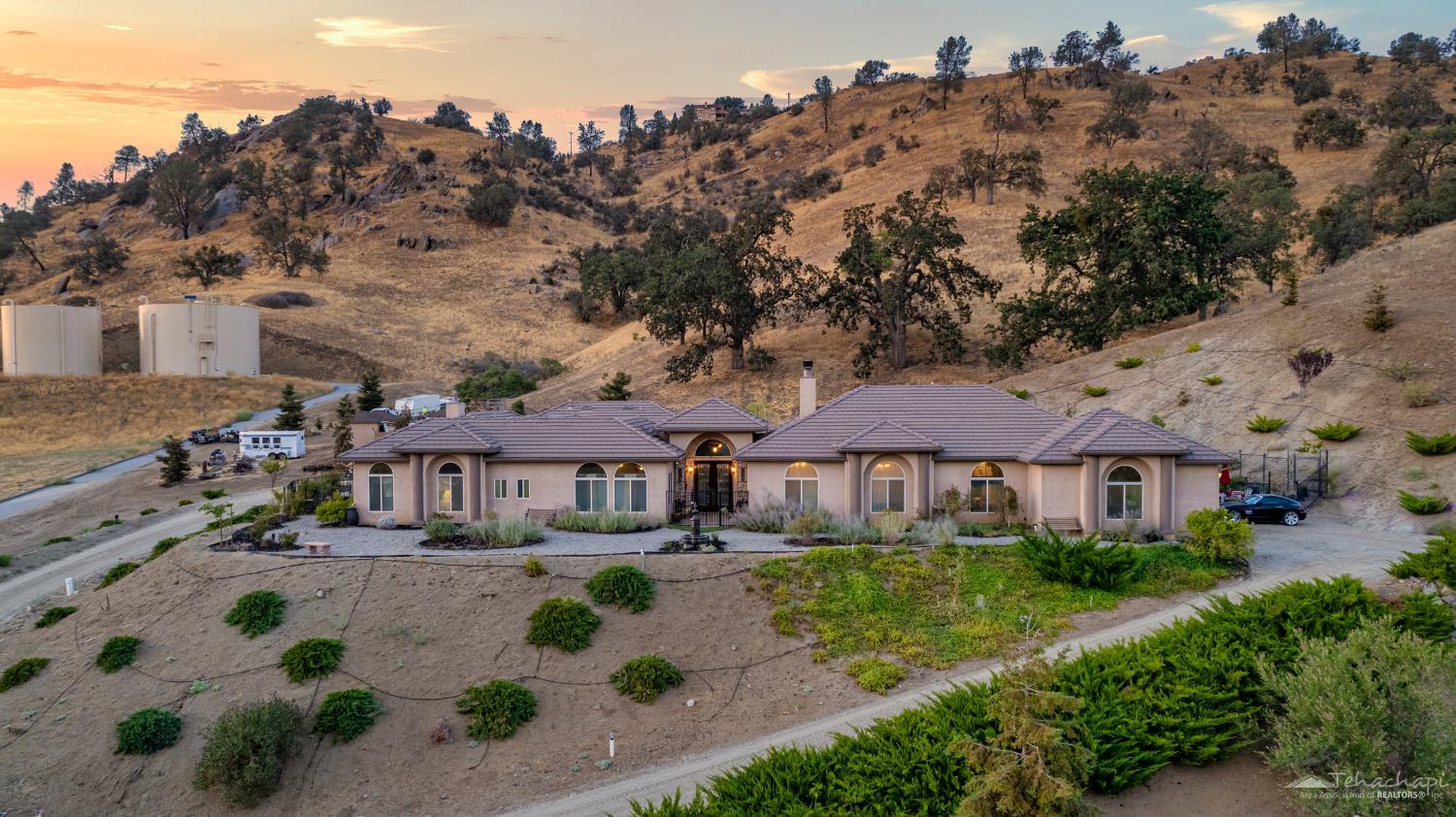
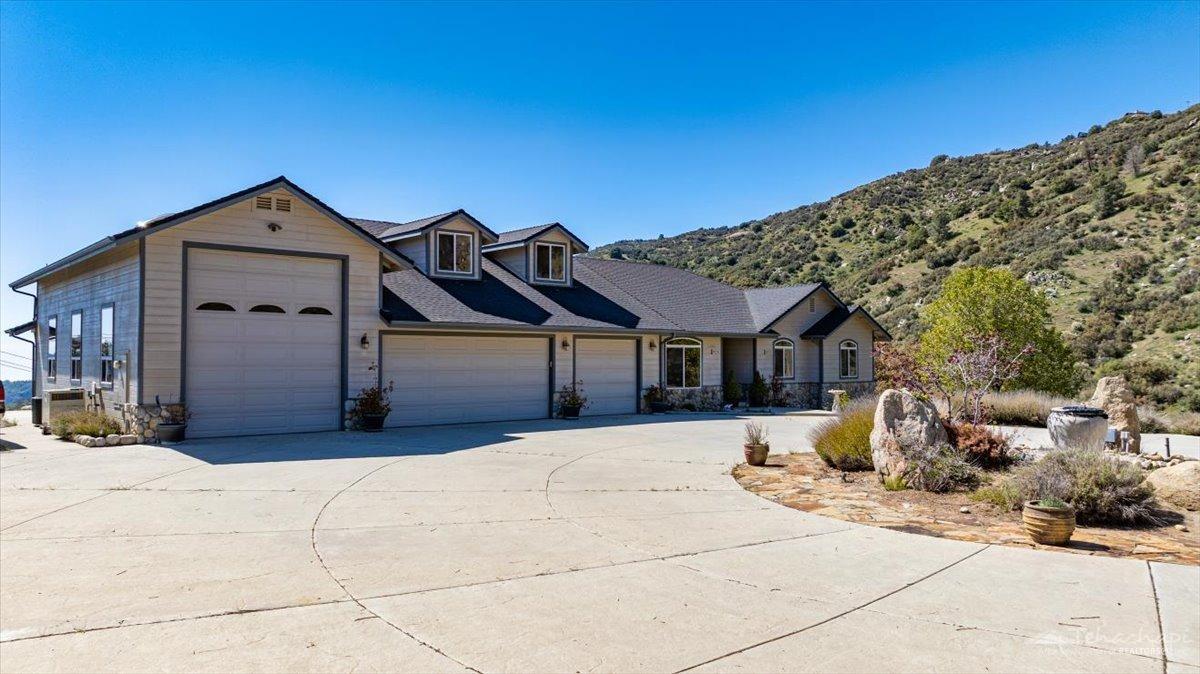
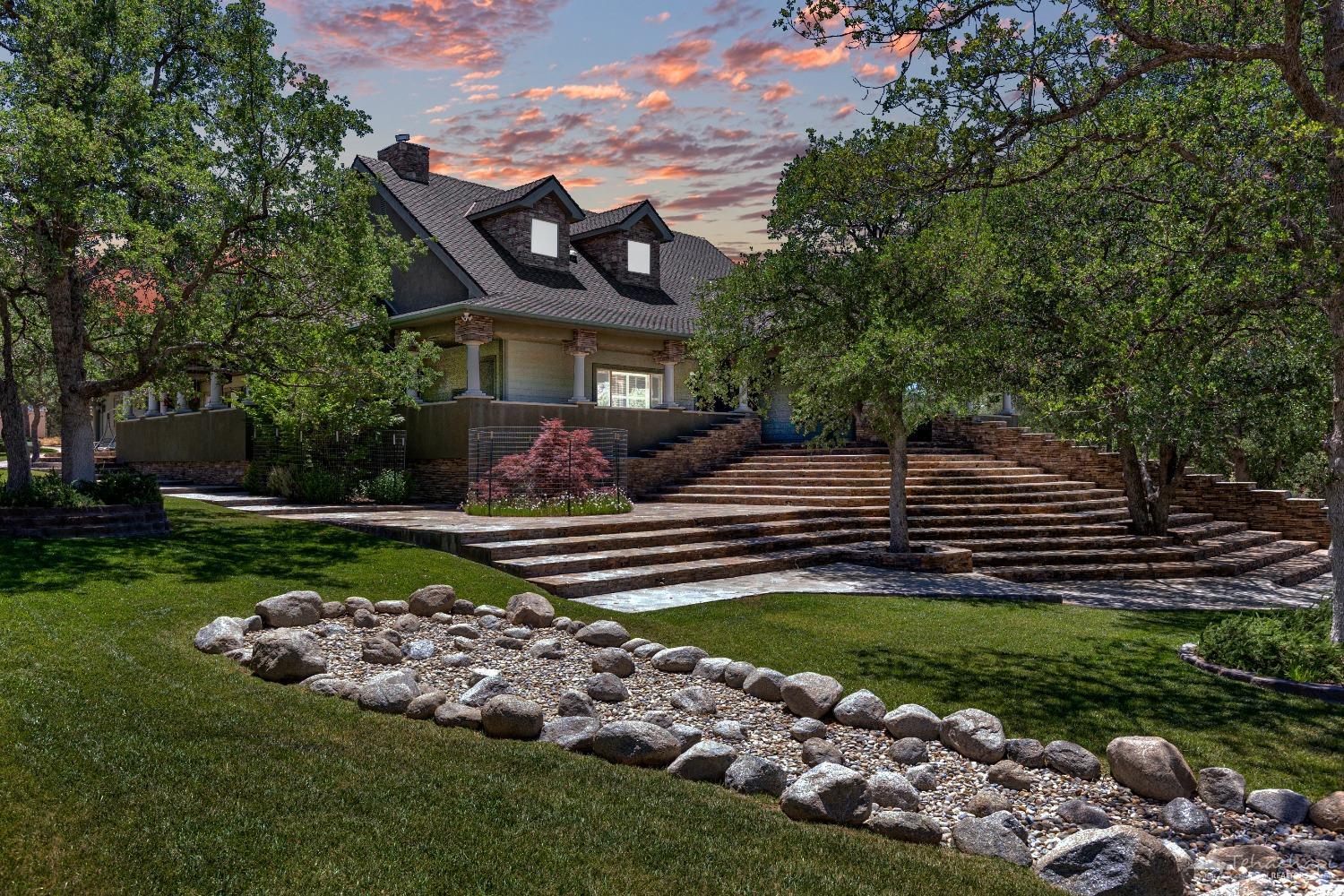
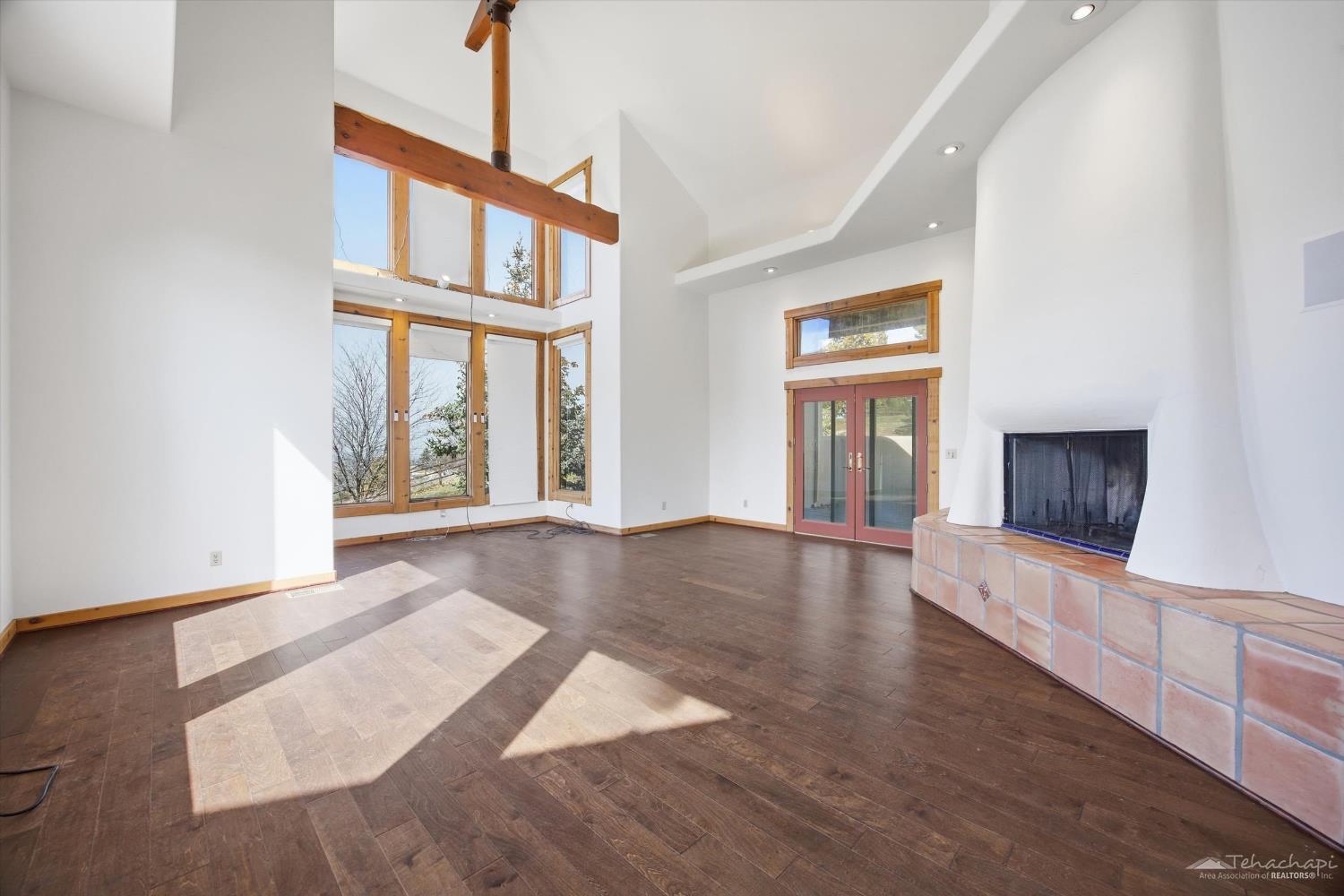
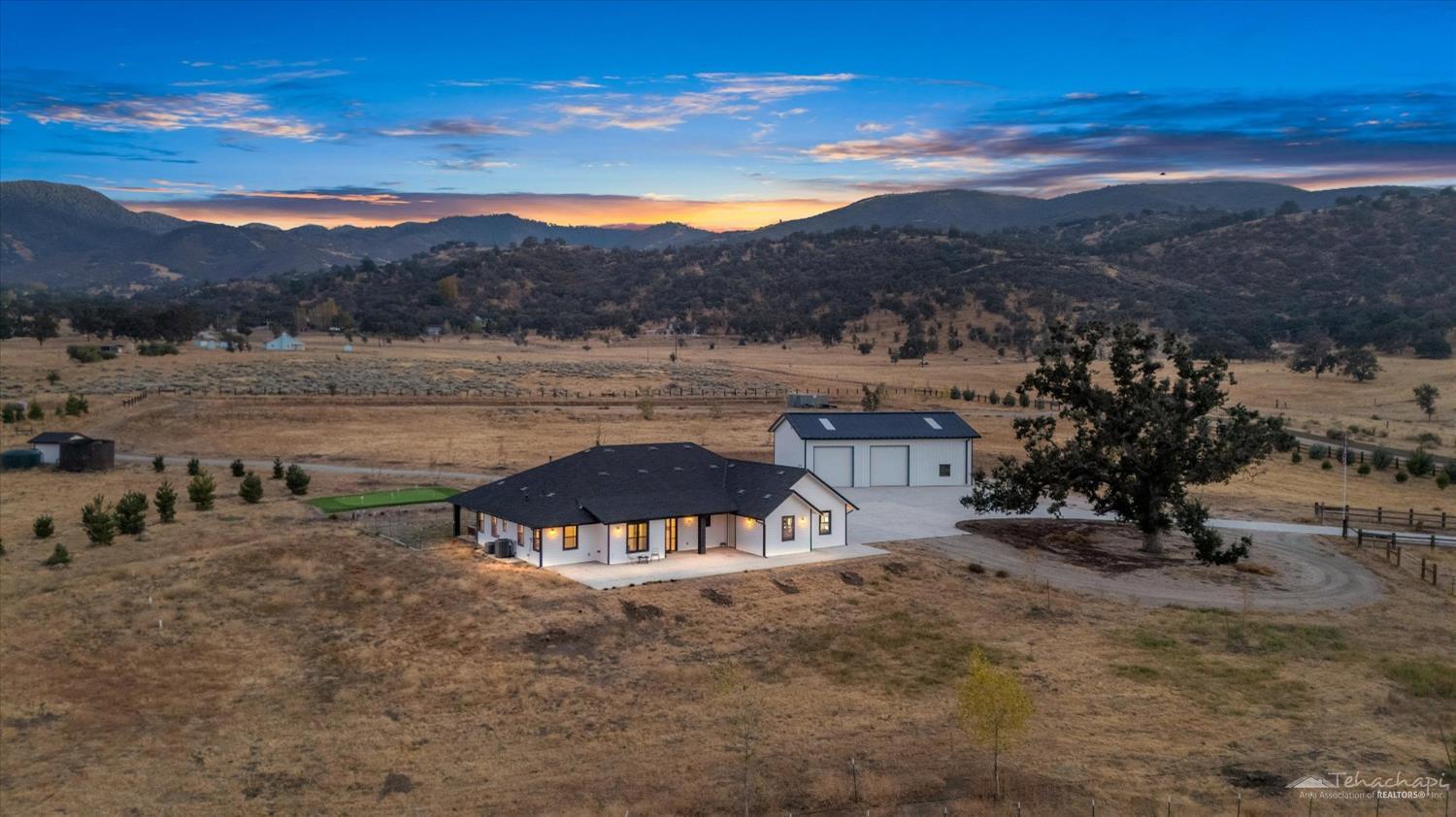
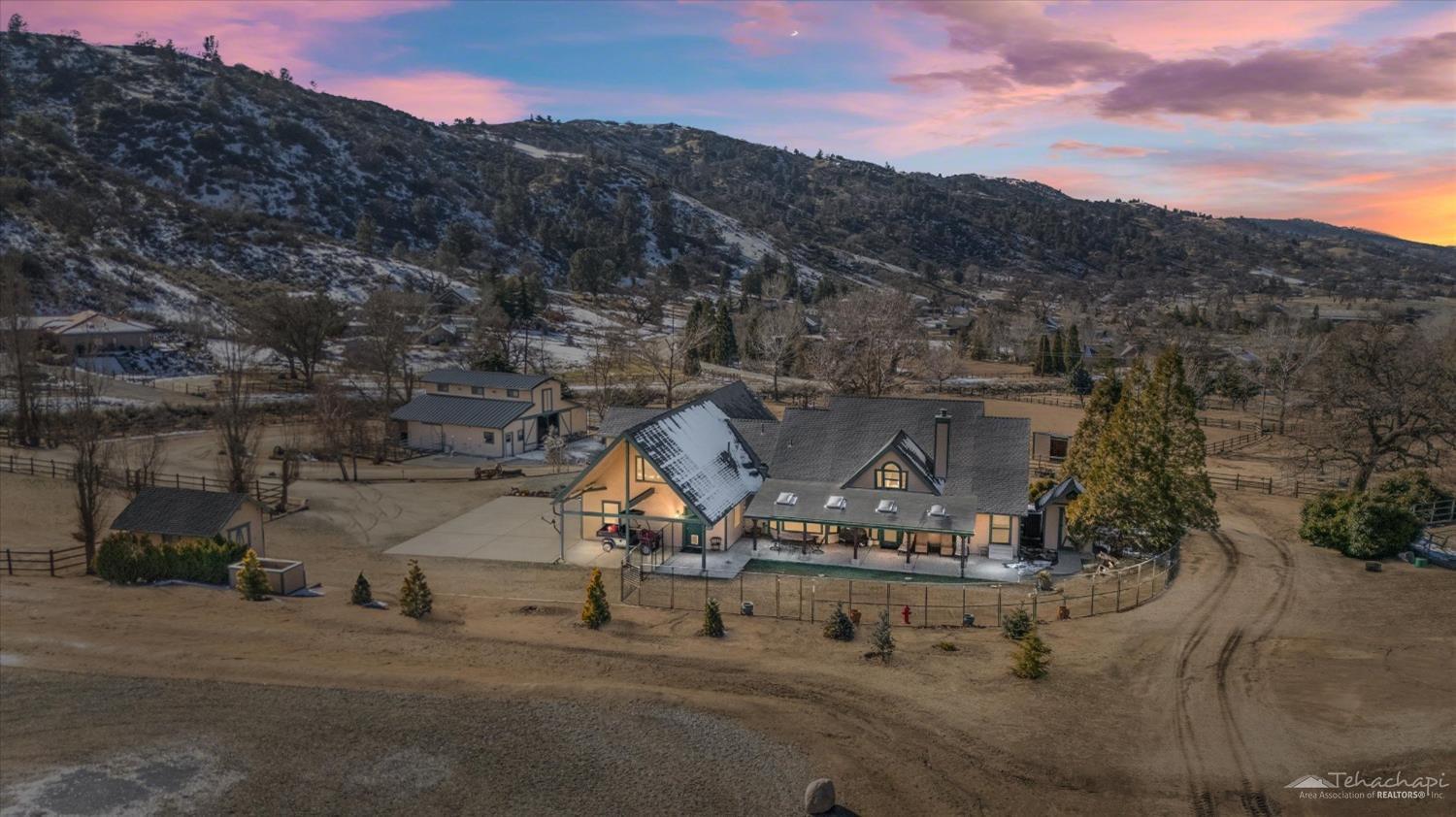
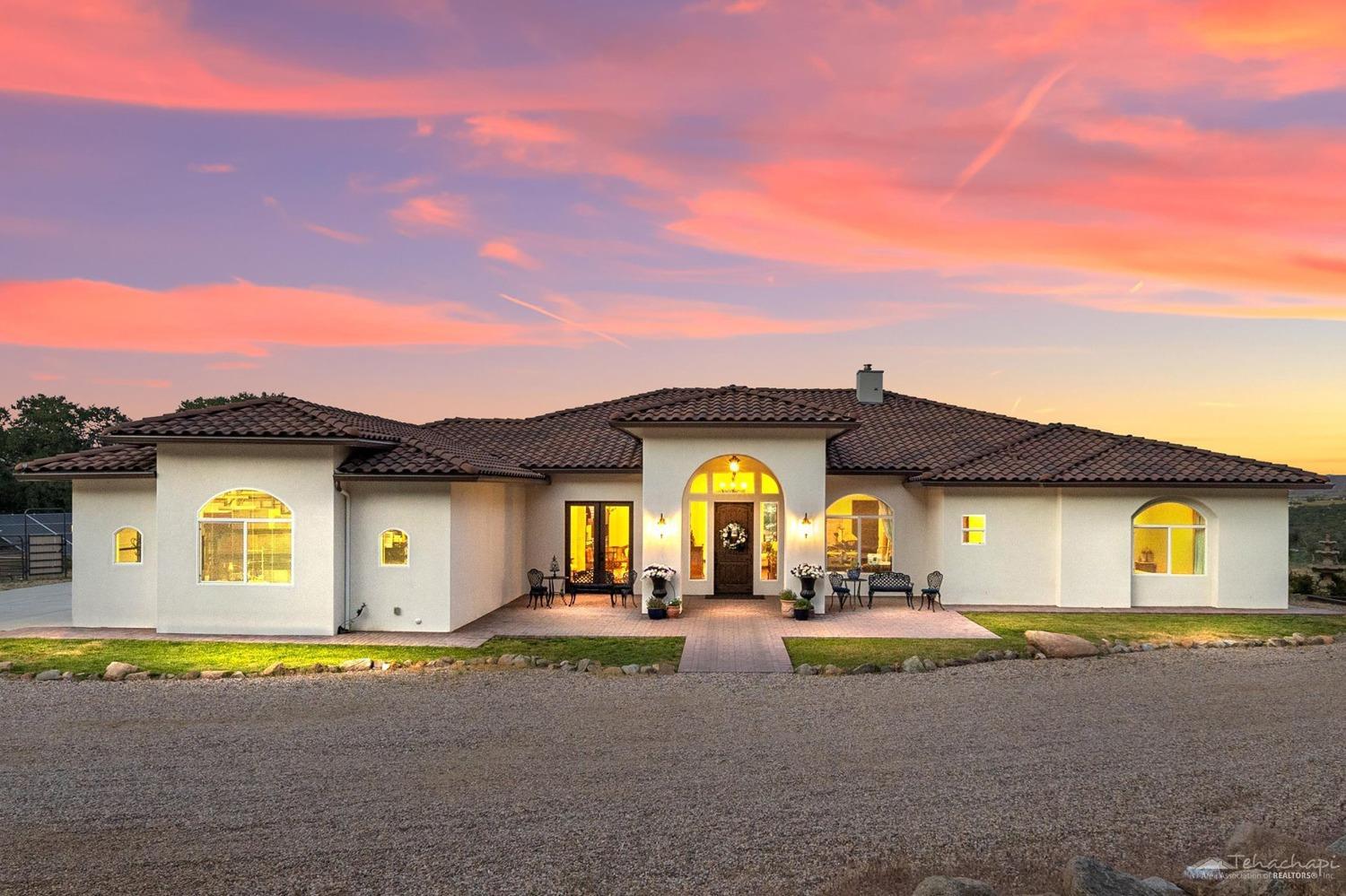
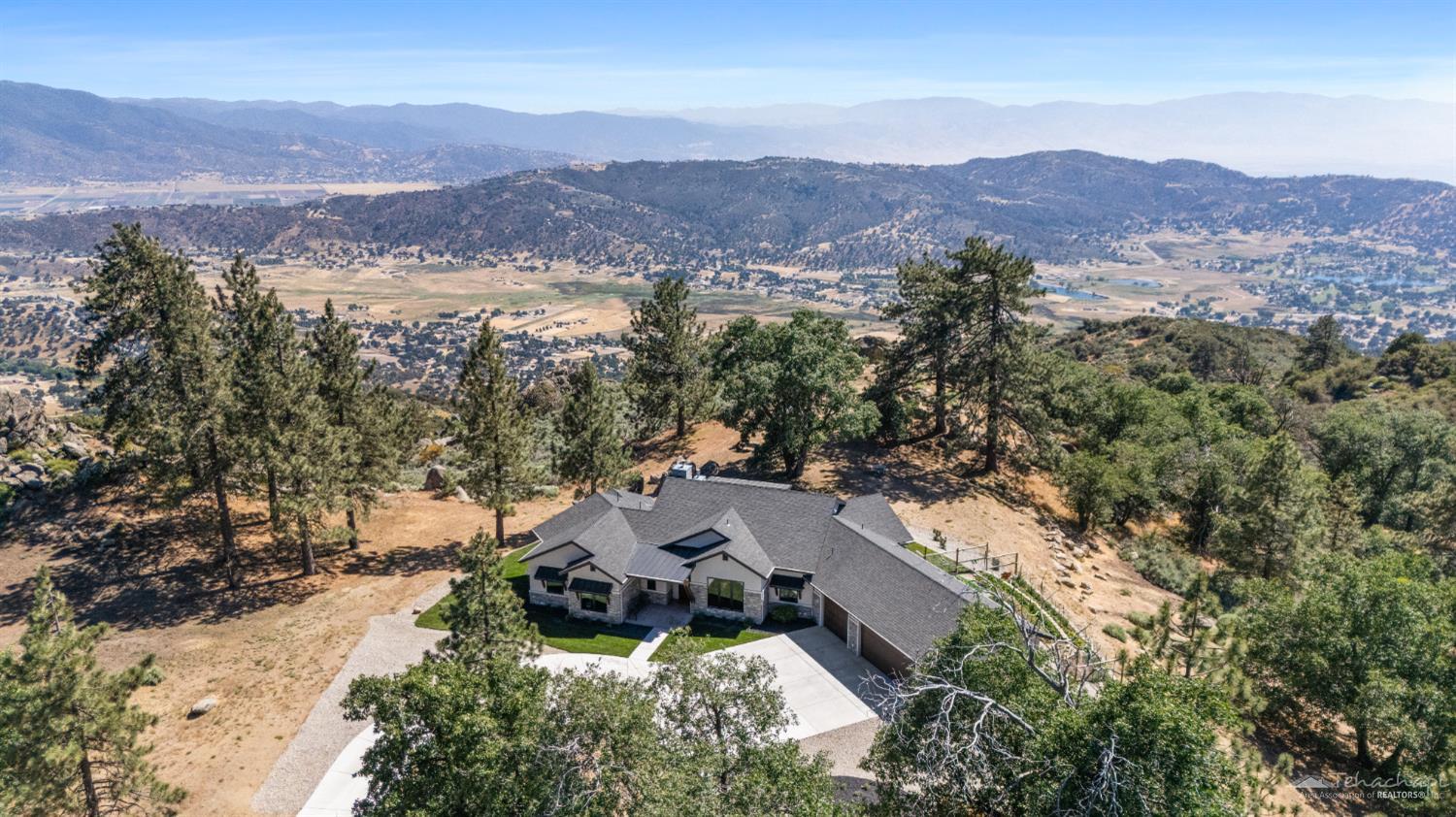
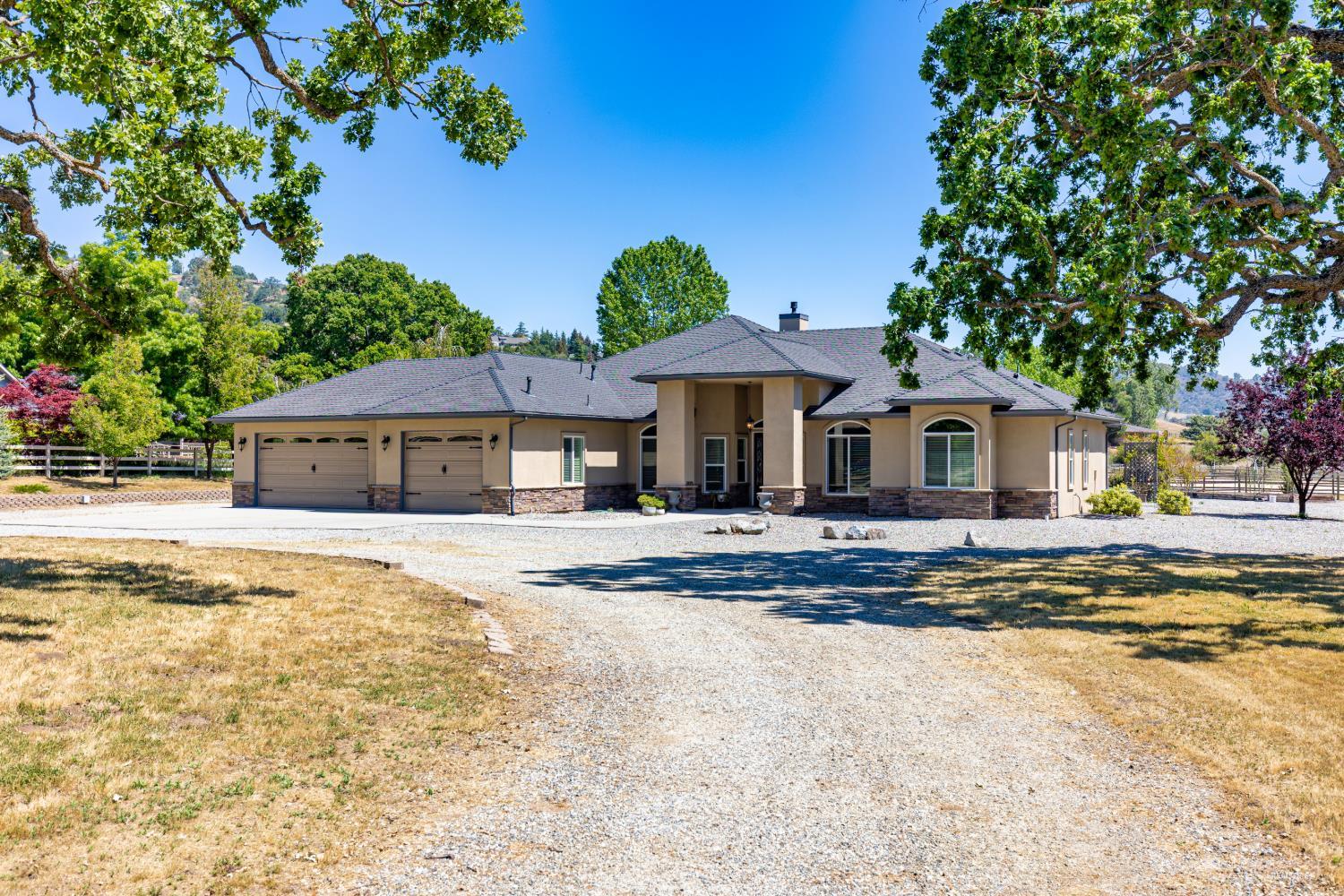
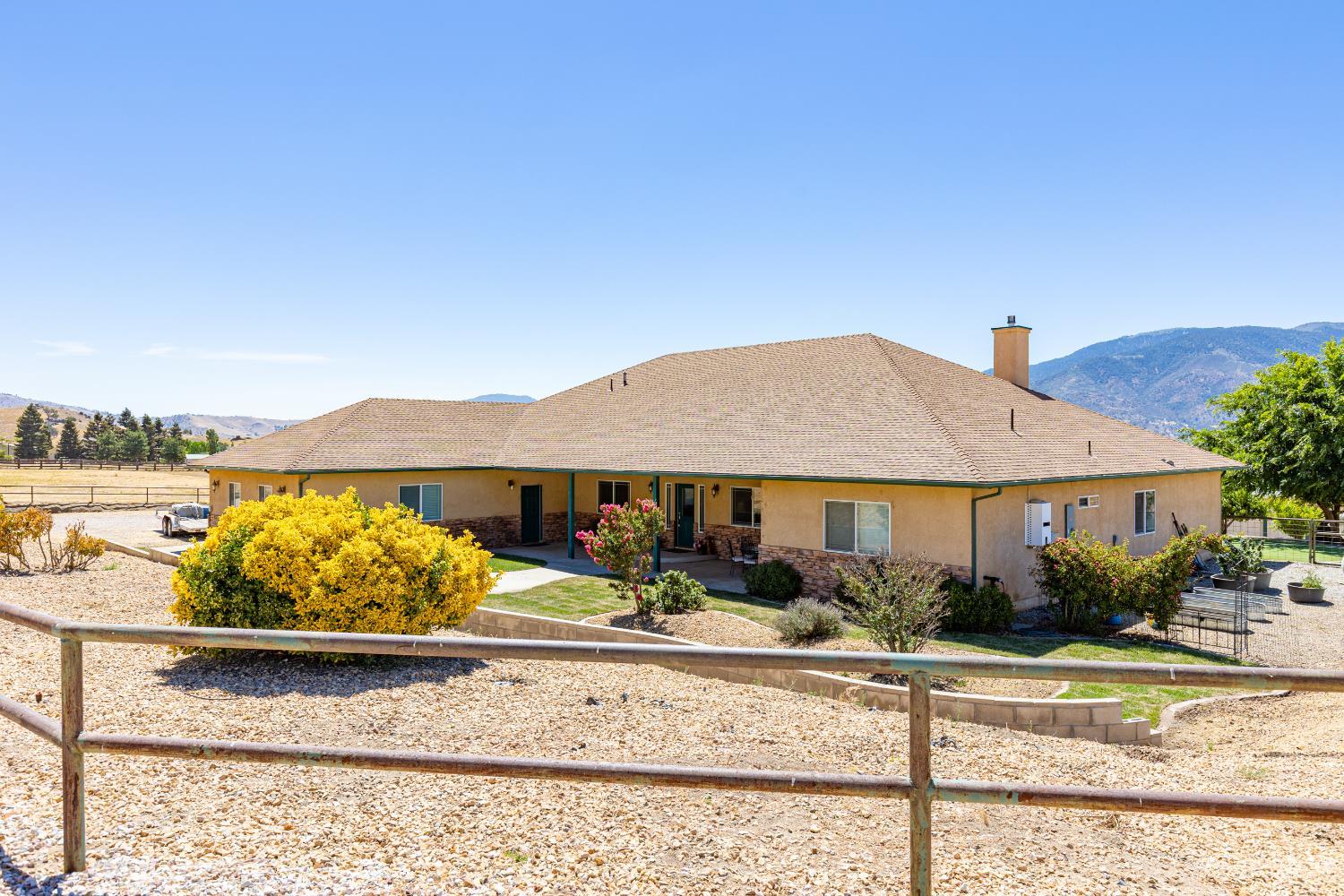
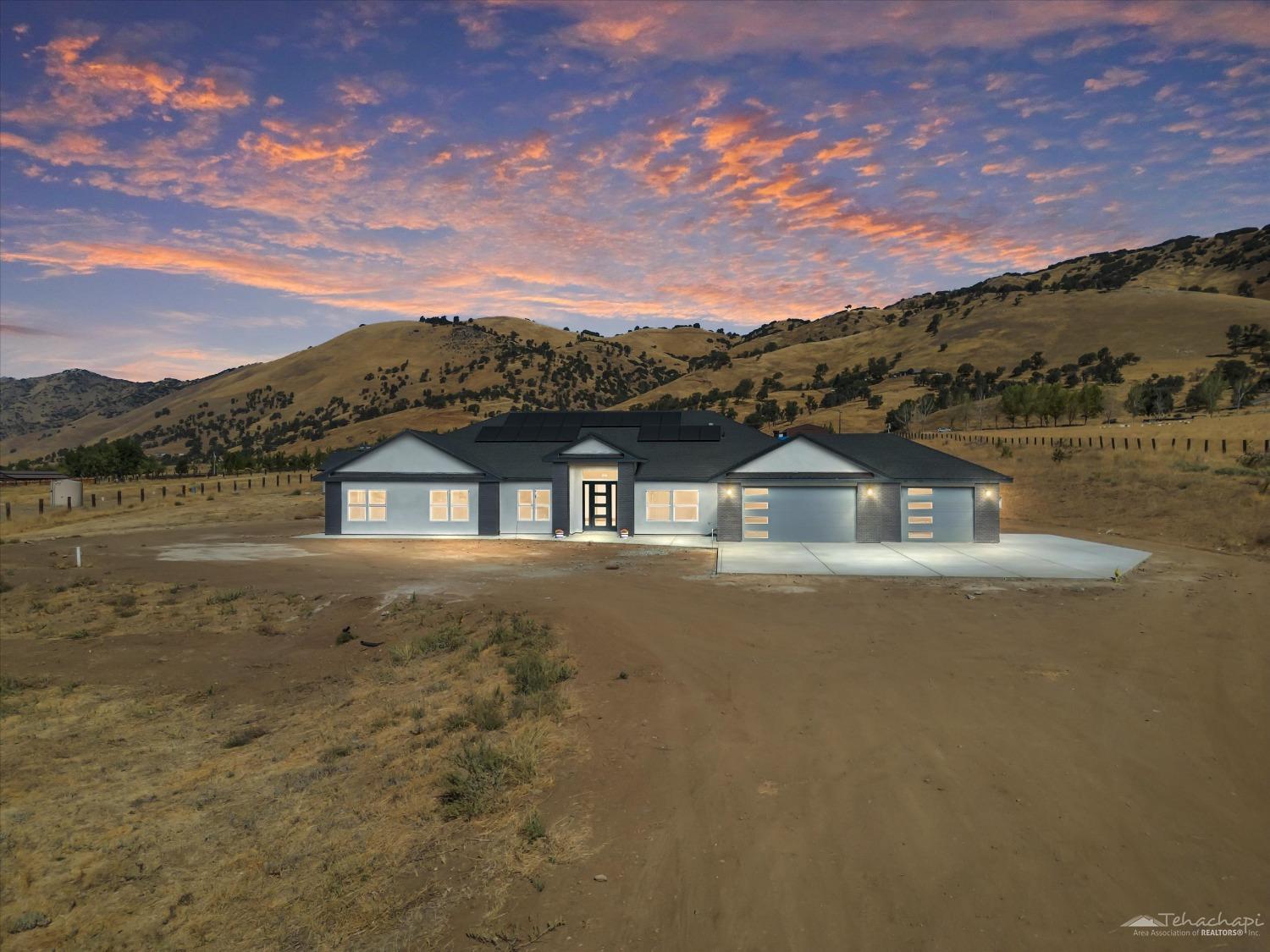
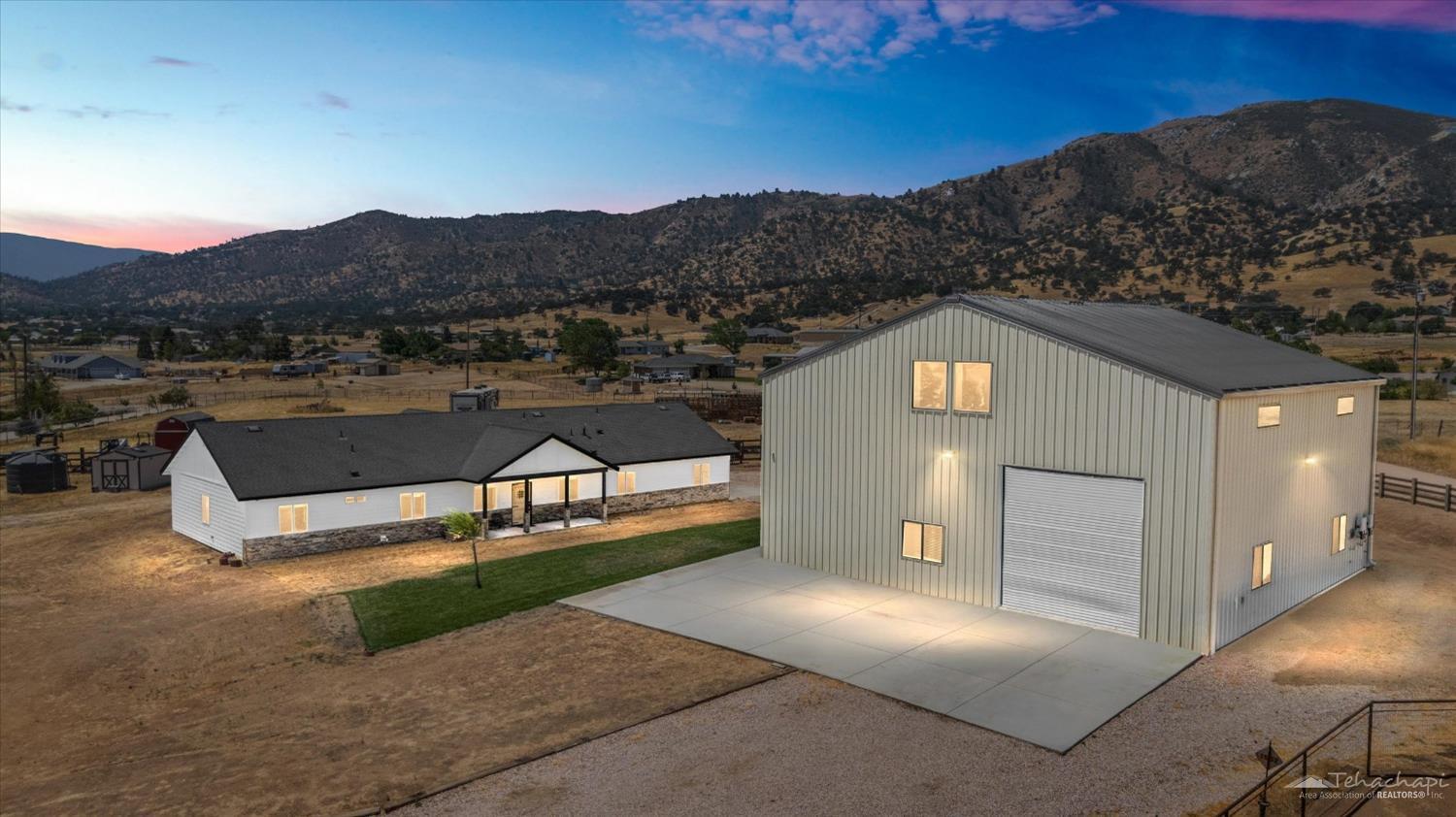
Move just beyond the grid and the character shifts. Established subdivisions like Mountain Meadows and Eastridge bring 1980s-through-2000s suburban homes with larger footprints, often 1,800 to 2,500-plus square feet, typically priced from $450,000 to $600,000 and up. Push out another five to fifteen miles into communities such as Bear Valley Springs or Stallion Springs and you enter the world of equestrian properties, custom ranch homes, and multi-acre lots that range from $500,000 to well over $1,000,000. Against all of that, the downtown core remains the go-to choice for low-maintenance, close-to-town living.
Local Shops, Boutiques, and Storefronts
Downtown's commercial scene is defined almost entirely by independent owners, and its specialty stores are a big part of the draw. For apparel, shops like Cowboys & Angels and Wild Roots Style Co. offer a mix of modern mountain wear, western styles, and bohemian fashion. Treasure hunters have plenty to explore, too: Auntie Em's Antique Mall, Oak Tree Arts & Antiques, and Funky Junk hold deep collections of vintage furniture, glassware, and retro finds, while House of Wax Vinyl draws record collectors.
The district's artistic side shows in Gallery 'N' Gifts, a co-op that has anchored a downtown corner since 1979, featuring handcrafted work, paintings, and jewelry from Tehachapi Valley artists. Rounding things out are memorable specialty and gift shops—Darlene's Real Swell Toys for nostalgic classic toys, Simply Perfect Gifts & Decor, and Healthy Hippie for teas, crystals, and wellness goods.
Dining, Cafés, and Breweries
The downtown food scene leans into hearty comfort food, long-standing institutions, and craft beverages. Mornings often begin at Kohnen's Country Bakery, a true landmark whose traditional German breads, pretzels, pastries, and deli sandwiches make it a primary gathering spot for locals and visitors alike. For coffee and a lighter start, spots like 4 Seasons Cafe and Henry's Cafe serve espresso drinks and breakfast plates before a day of exploring.
When it comes to sit-down meals, The Shed is a well-loved staple known for generous burgers and a casual, pub-like feel, while the historic 1893 House Restaurant serves traditional American fare. Interspersed among the grills you'll find local Mexican eateries, pizza and pub food at P-Dubs Grille & Bar, and casual delis. Tehachapi's mountain water also makes it good brewing country: taprooms such as West Lane Brewing pour local craft beer, often on an outdoor patio. And because the surrounding mountains form the Tehachapi Mountains AVA, tasting rooms in and near downtown pour high-elevation wines like Syrah and Zinfandel.
Parks, Public Spaces, and the Railroad Depot
Downtown's public spaces double as gathering places that celebrate the town's rail heritage and outdoor setting. The clearest symbol is the Tehachapi Depot Railroad Museum at the north end of downtown along the tracks; the restored depot houses historical tools, vintage artifacts, and photographs documenting the Tehachapi Pass rail line, and visitors can watch heavy freight trains roll by daily. A short walk away, Centennial Plaza sits in the heart of downtown along Green Street, a paved urban space with open-air seating and landscaping designed for performances, ceremonies, and pop-up events.
Just a block off the main commercial strip is Philip Marx Central Park, named for the town founder. Its five acres of shade trees, green lawns, playgrounds, and a historic central gazebo make it the home base for summer concerts, picnics, and community festivals—a genuine anchor of neighborhood life.
Community Events and Seasonal Traditions
Downtown is the social hub for the entire valley, and its calendar reflects that. Through summer, the Tehachapi Farmers Market fills Green Street and Centennial Plaza on Thursday evenings from June through August, bringing local farms, food vendors, craft makers, and musicians together for a block-party atmosphere. August delivers the town's largest tradition, the Tehachapi Mountain Festival, with a parade down Tehachapi Boulevard, a PRCA rodeo at the nearby event center, arts and crafts booths in Philip Marx Central Park, and live music.
On the first Friday of the warmer months, shops, galleries, and tasting rooms extend their hours for First Friday Art Walks, complete with art pop-ups, wine, and entertainment. And when temperatures drop in December, Hometown Holidays brings a night Christmas parade down the main street, a tree lighting, and winter festivities at the plaza. For residents, these traditions are a big part of what makes living near downtown feel like belonging to something.
Arts, Culture, and Local Landmarks
For its size, downtown carries a surprising amount of cultural weight. The BeeKay Theatre on Green Street—a 1936 Art Deco cinema that survived both the 1952 earthquake and a 1994 fire before the city rebuilt it—remains an icon, its neon sign anchoring the Tehachapi Community Theatre's year-round slate of plays, musicals, and performances. Walking the district reveals large-scale murals on historic brick facades depicting Kawaiisu life, pioneer agriculture, vintage steam engines, and mountain landscapes, effectively creating a self-guided outdoor gallery.
History runs deep here, too. The Tehachapi Heritage Museum and the adjacent 1870s-era Errea House preserve regional history from indigenous artifacts to pioneer furniture and early ranching life. Down by the tracks, the historic wood-and-steel water tower that once refueled steam locomotives now stands as a protected industrial monument and a favorite photo spot.
Getting Around: Walkability and Access
Once you park, the historic district is easy to navigate on foot. The primary shopping and dining zone—roughly bounded by Tehachapi Boulevard to the north and F Street to the south, running along Green Street—spans just four to six blocks, with wide, ADA-compliant sidewalks and crosswalk bulbs that slow traffic. Cyclists commonly use Tehachapi Boulevard, the Highway 58 Business Loop, to move through town, though the serious mountain biking trails sit out in the surrounding foothills rather than the core.
Parking is refreshingly stress-free compared with denser urban centers: free street parking lines Tehachapi Boulevard and Green Street, supplemented by free municipal lots behind the storefronts. Regionally, downtown sits directly off Highway 58 via the Tehachapi Boulevard exits, putting Bakersfield about 35 minutes west and Mojave a similar distance east. For those without a car, Kern Transit connects downtown to Mojave, Lancaster, and Bakersfield, with a local dial-a-ride service covering the town interior.
Schools and Family Life Near Downtown
Downtown offers the kind of close-knit, classic small-town environment where kids ride bikes along neighborhood streets and walk to school. Public education is managed by the Tehachapi Unified School District, and several campuses sit within or very close to the downtown grid. Tompkins Elementary (K–5), just south of the main strip on S. Curry Street, serves many downtown-core families. Jacobsen Middle School (6–8) is a short drive south on Anita Drive, and Tehachapi High School (9–12)—home of the Warriors—sits on S. Dennison Road, where Friday night football is a genuine community event. Families also have alternatives, including the Tehachapi Independent Learning Academy for independent study and nearby private options such as Heritage Oak School.
Day-to-day family life benefits from the walk-to-town lifestyle: it's easy to reach Philip Marx Central Park for playdates, grab treats at Kohnen's, or stop by the county library branch on Green Street. The Tehachapi Valley Recreation and Park District runs youth leagues in baseball, soccer, and basketball, plus seasonal programs using the parks and community centers around downtown. Add in the slower pace, lighter traffic, and shop owners who know residents by name, and downtown reads as a safe, neighborly place to raise a family.
Buying and Selling in Downtown Tehachapi
Real estate within the downtown grid moves to a different rhythm than the rural acreages and gated developments nearby, and knowing that rhythm makes a real difference.
For buyers, downtown is one of the most practical entry points into the local market. While median home prices across Tehachapi tend to hover in the $390,000 to $430,000 range, older two- and three-bedroom bungalows and ranch homes in the grid can sell anywhere from the low $300,000s to the mid-$400,000s depending on updates. You're generally buying established construction—anywhere from 1920s vintage homes to 1970s single-story ranches—on standard 0.15 to 0.25-acre lots. Given the age of the housing stock and the 1952 earthquake history, it's smart to pay particular attention to foundation integrity, updated electrical and plumbing, roof age, and winter insulation, since Tehachapi does get snow and freezing temperatures.
For sellers, "walkability to downtown" is one of the strongest selling points in the entire market, and highlighting proximity to Green Street restaurants, coffee shops, parks, and district schools meaningfully boosts interest. Downtown listings tend to attract two main groups: first-time buyers and young families drawn by affordability and convenience near schools, and downsizers or retirees who want a single-story home close to services without the upkeep of multi-acre properties in Bear Valley or Stallion Springs. Well-priced, move-in-ready homes in the core often sell quickly—frequently to commuters working in Bakersfield or at Edwards Air Force Base who prefer city-center convenience over rural isolation.
Explore Downtown Tehachapi with Theresa Mann
If you're thinking about buying or selling in Downtown Tehachapi, it helps to work with someone whose knowledge of this market runs genuinely deep. Theresa Mann has been a Tehachapi local for more than 40 years and has spent 25 years in real estate, earning a reputation built on sincerity, attention to detail, and results that consistently land above local standards. Community-voted Tehachapi's "Best & Favorite" Realtor for six years running and Keller Williams' #1 agent in total sales volume, GCI, and unit count from 2021 through 2023, she brings both proven performance and an insider's feel for the valley's one-of-a-kind neighborhoods. Her specialties span homes, ranches, and raw land, along with experience in water rights and farming—coverage that reaches across Tehachapi, Hart Flat, Bear Valley, Stallion Springs, Cummings Valley, Golden Hills, Alpine Forest, and the surrounding communities.
Whether you're searching for a walkable bungalow near Green Street or preparing to sell a downtown home, Theresa can guide you through this market with care and expertise. Reach out directly at (661) 205-4088 or [email protected] to start the conversation.