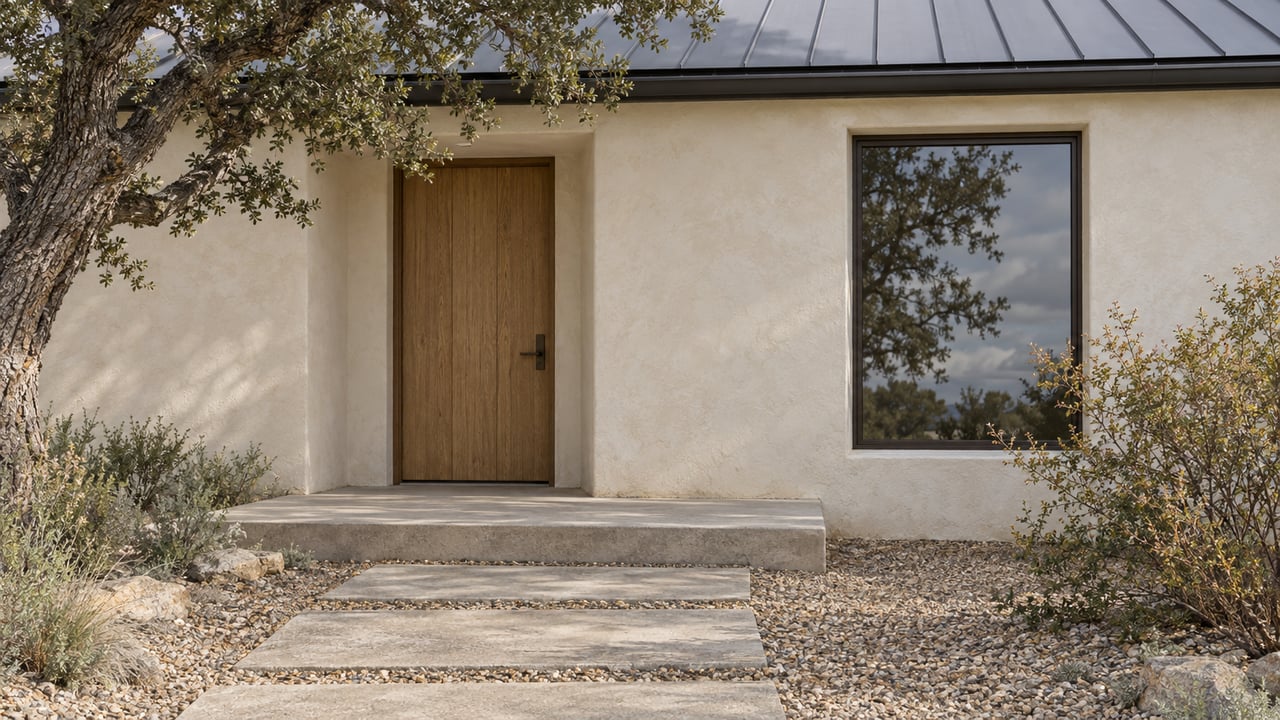
Welcome to Bear Valley Springs
Most people discover Bear Valley Springs by accident. They come to Tehachapi for the wind farms or the historic downtown, take a wrong turn onto Bear Valley Road, and suddenly find themselves at a security gate with pine-covered ridges rising in the distance. What lies beyond that gate is one of Kern County's best-kept secrets: a 25,000-acre private mountain community where elk sleep on golf course fairways, homes sit on multi-acre parcels with room for horses, and the pace of life slows to match the seasons.
Bear Valley Springs isn't a subdivision with a fancy entrance. It's closer to a small mountain town that happens to be gated—complete with its own police force, water system, and snowplows—wrapped around a resort-caliber collection of amenities that would feel at home at a private club. For buyers weighing a move to the Tehachapi Mountains, understanding what makes this community genuinely different is the first step. This guide walks through everything that matters: where it sits, how it works, what you get as an owner, and what to watch for when you buy or sell here.
Where Bear Valley Springs Is Located
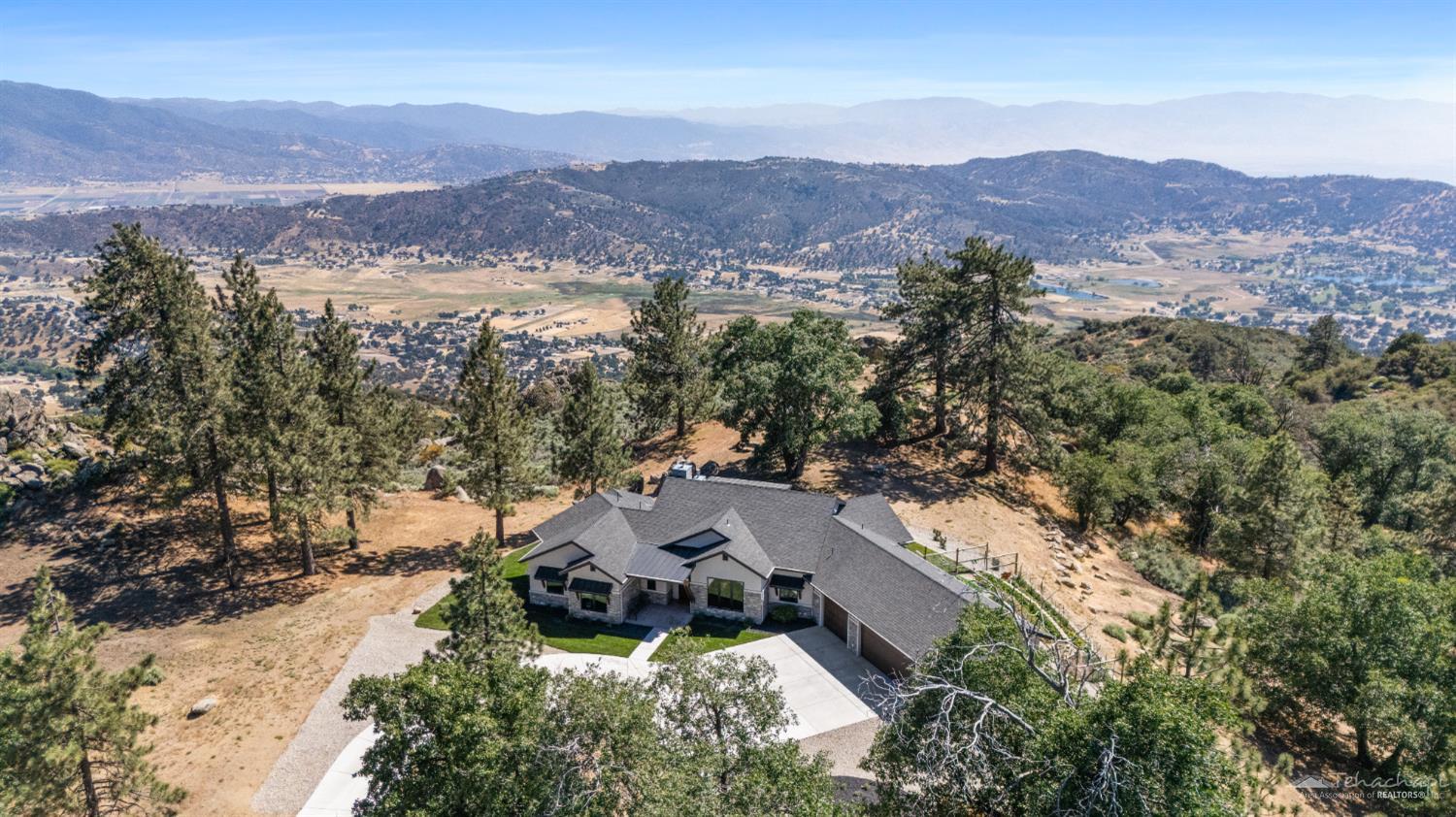
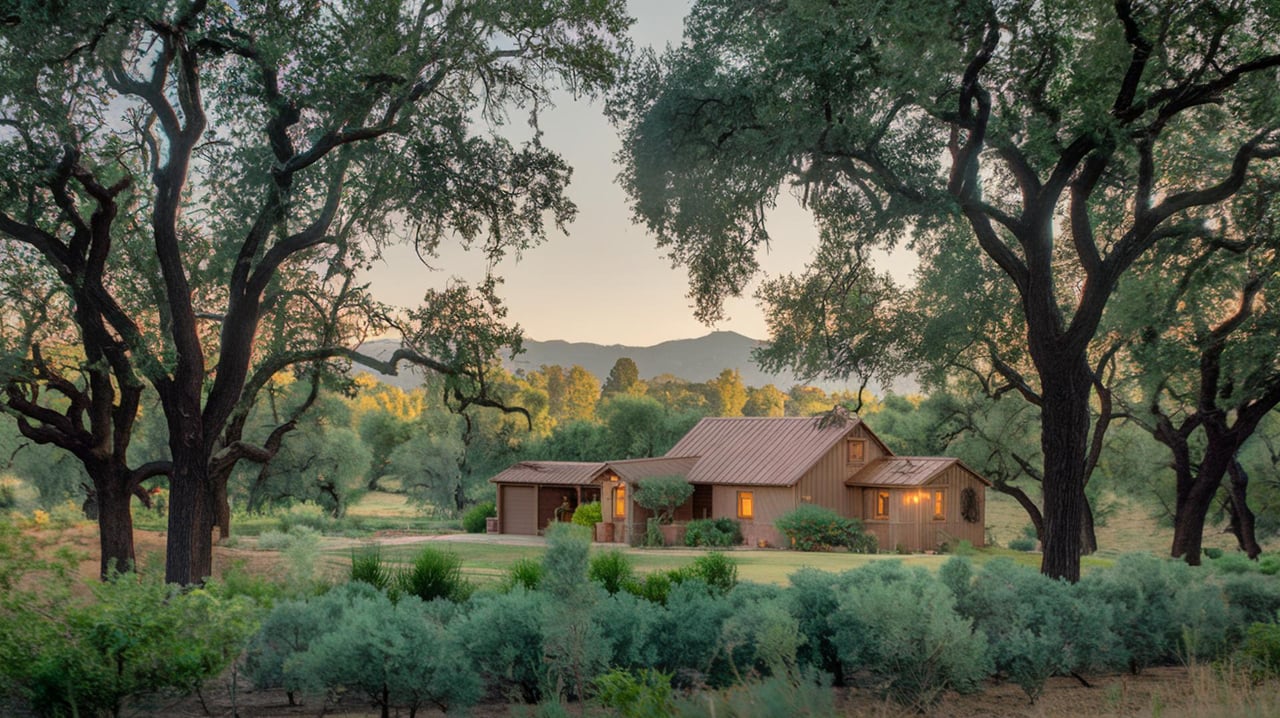
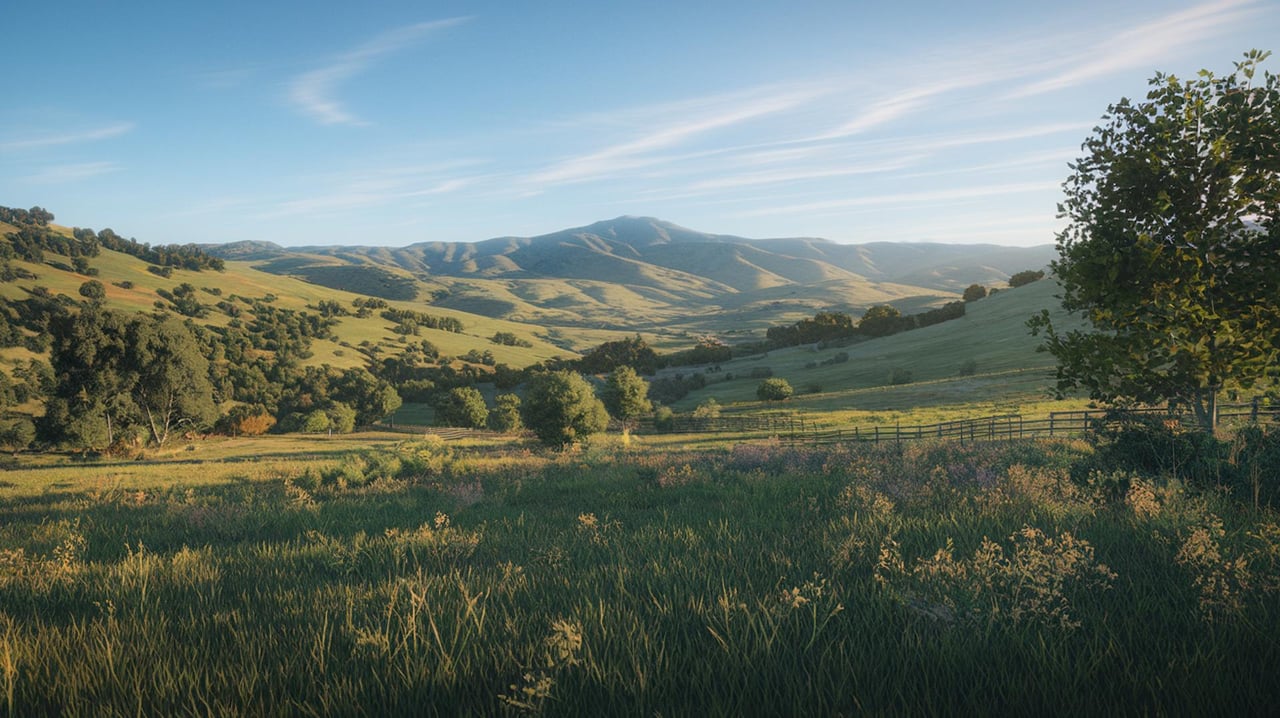
Bear Valley Springs sits in the Tehachapi Mountains of Kern County, California, tucked into a high valley that feels far removed from the traffic and heat of the lowlands. The community spans more than 25,000 acres, with elevations climbing from roughly 4,100 feet on the valley floor to over 6,900 feet along the surrounding alpine ridges. That range is what gives the area its character—oak-studded pastures and rolling grassland below, dense pine and fir forest above.
The location strikes a balance that's hard to find: genuinely remote in feel, yet reasonably connected. Downtown Tehachapi is about 12 miles east, close enough for a quick grocery run or a doctor's appointment. Bakersfield, with its regional airport, big-box shopping, and larger medical centers, sits roughly 45 miles to the southeast. Los Angeles is about 115 miles south, making Bear Valley Springs a realistic weekend-retreat option for city dwellers and a permanent escape for those ready to leave urban life behind entirely.
A Brief History of the Community
Long before the gates and the golf course, this valley belonged to the Kawaiisu people, who returned here seasonally to hunt and to gather acorns from the abundant oaks, drawing on the natural springs that still feed the landscape today. The land's modern story began in 1846, when it became part of the sprawling Rancho El Tejon Mexican land grant. For more than a century afterward, the valley worked as cattle country, known to locals simply as the Bear Valley Ranch.
The transformation into a residential community came in 1970, when Dart Industries purchased the 25,000-acre spread and set out to convert the working ranch into a planned, resort-style enclave. That vision established the framework that still governs the community, including the Bear Valley Springs Association. Through the 1980s and beyond, Bear Valley Springs matured into the master-planned mountain haven it is today—one deliberately built around conservation, equestrian living, golf, and the open space that defines it. The result is a community with genuine roots, not a development dropped onto raw land overnight.
Life Inside a Gated Community
Living inside the gates of Bear Valley Springs feels less like suburban gated living and more like having a state park as your backyard. Homes range from clustered condominiums near the golf course to multi-acre ranches on the valley floor and secluded lots perched high on the ridges. Wildlife moves freely through the neighborhood—it's ordinary to see elk, deer, and wild turkeys in a front yard, and the occasional black bear passing through is part of mountain life here.
What genuinely sets the community apart is how it's run. Bear Valley Springs operates under two separate organizations, and understanding the split matters for anyone considering a purchase. The Bear Valley Community Services District (CSD) functions like a local government: it provides the community's own dedicated police force, maintains the roads, plows snow, supplies drinking water, and manages the gate-access system. The Bear Valley Springs Association (BVSA) is the homeowners association, handling the recreational amenities, enforcing property standards, and organizing community events.
The practical takeaway is worth remembering: gate access is a CSD matter, while amenity access is a BVSA matter. One gets you through the security post and into the neighborhood; the other gets you onto the golf course, into the fitness center, and out on the lakes. New owners register with both.
The Bear Valley Springs Association and What Membership Includes
The BVSA is what gives Bear Valley Springs its resort-style personality. Every property owner pays annual assessments that fund an extensive network of private facilities, and ownership comes with a BVSA Use Privilege Card that unlocks access to all of it. For the price of admission, the amenity list is remarkable for a community this far from a major city.
Owners have access to a full-service equestrian center with stables, arenas, and boarding, connected to roughly 55 miles of dedicated trails winding through valley and ridge. There's golf and dining at the Oak Tree Country Club, two stocked lakes for non-motorized boating and fishing, and designated campgrounds for owners and their guests. The Whiting Center serves as the main recreation hub, with an indoor gym, fitness facilities, game rooms, and a sauna, while the surrounding grounds add a heated outdoor pool, tennis and pickleball courts, soccer fields, and even a shooting and archery range.
The breadth is the point. Most owners never use every amenity, but the combination of equestrian infrastructure, golf, lakes, and a genuine rec center means the community supports a wide range of lifestyles—from the horse family to the golfer to the retiree who just wants quiet trails and a pool.
Homes and Real Estate in Bear Valley Springs
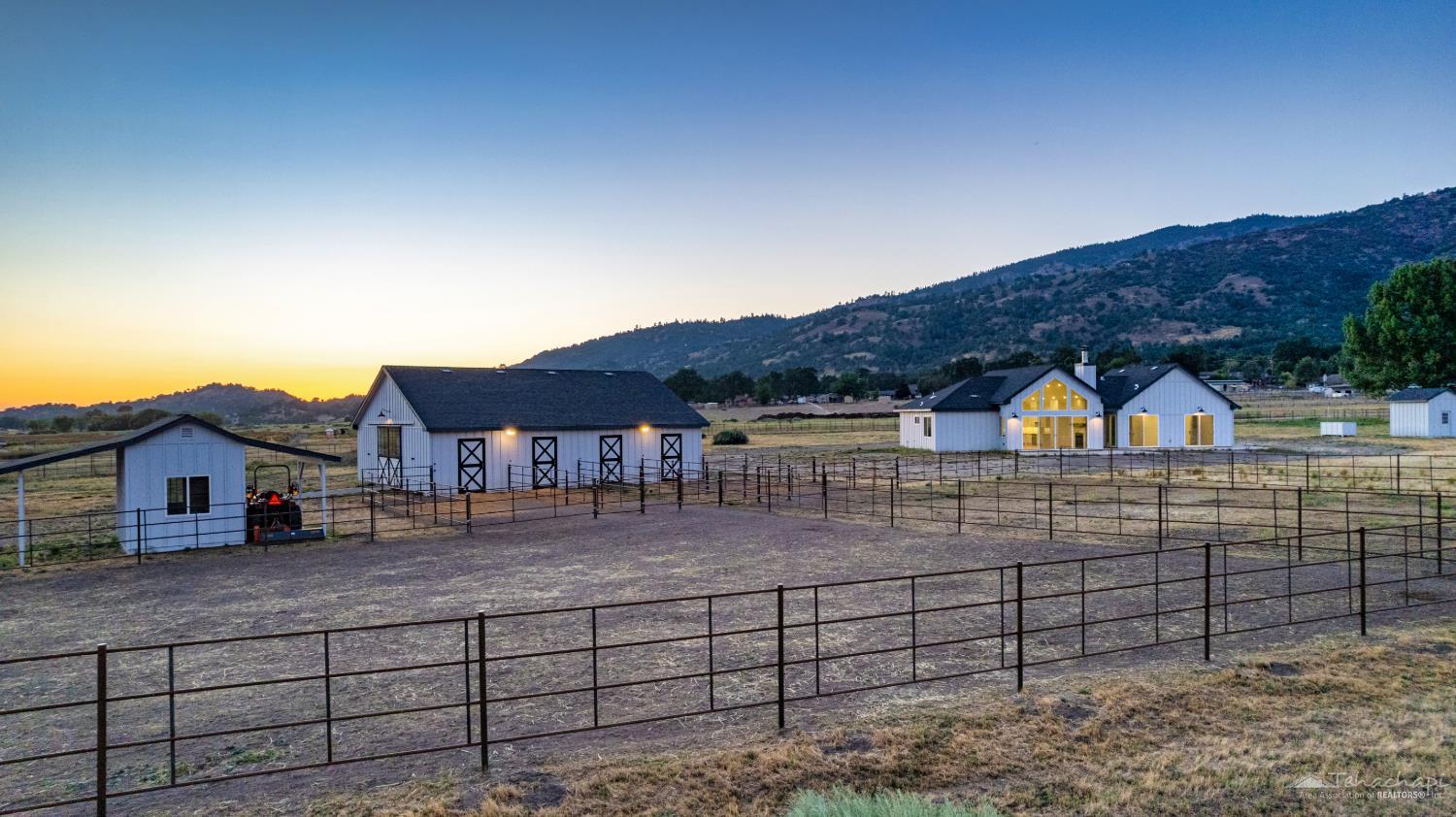
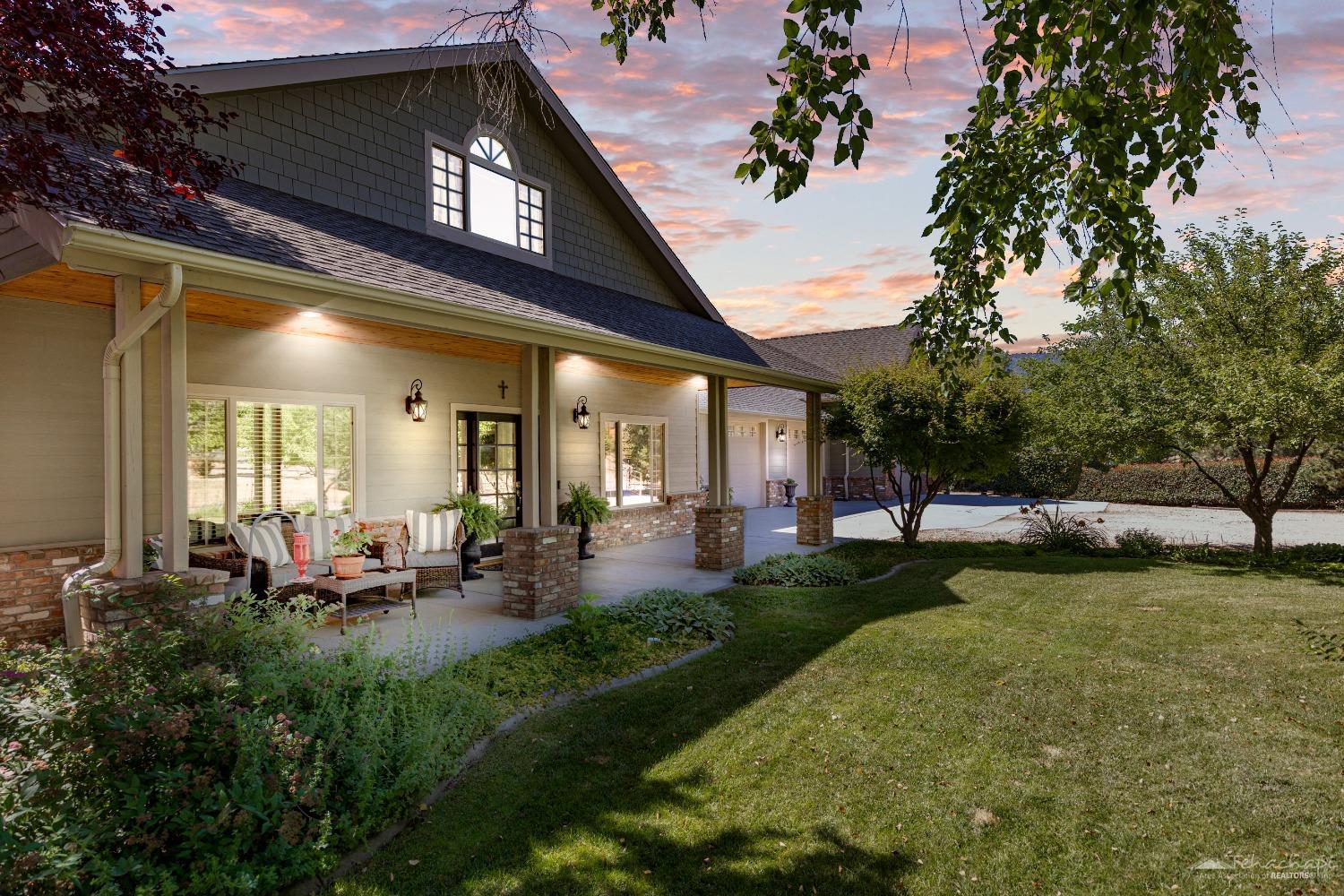
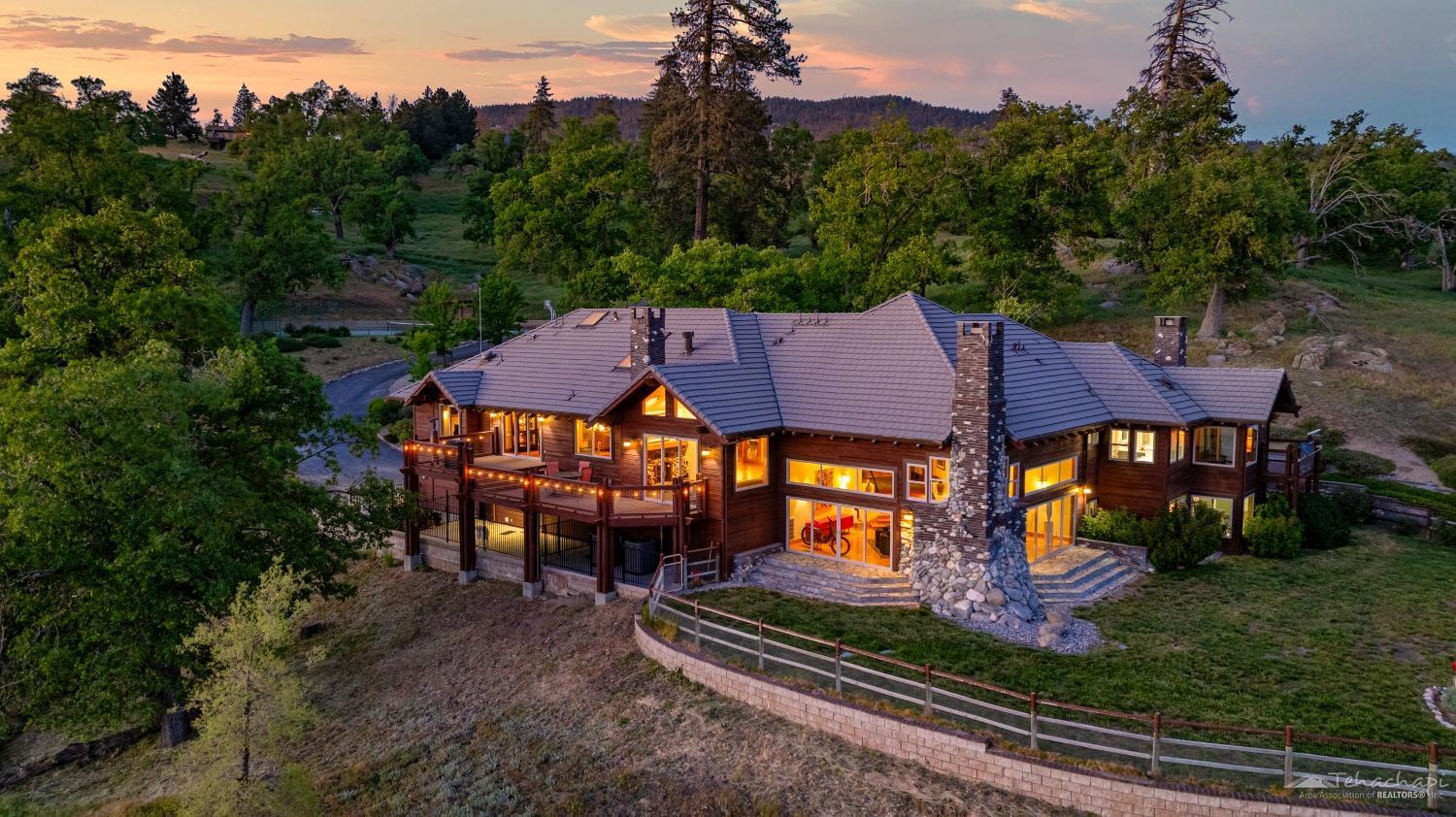
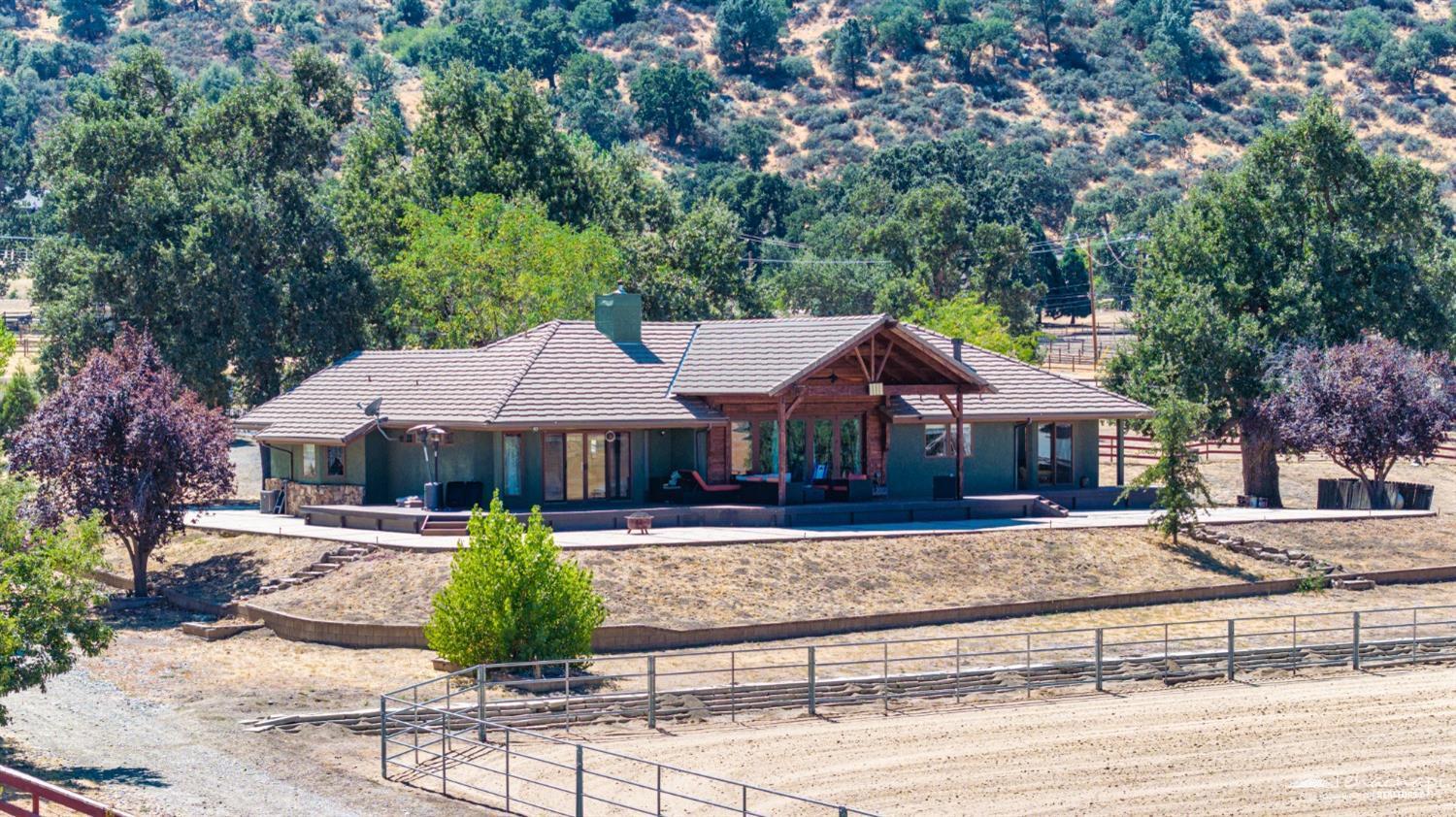
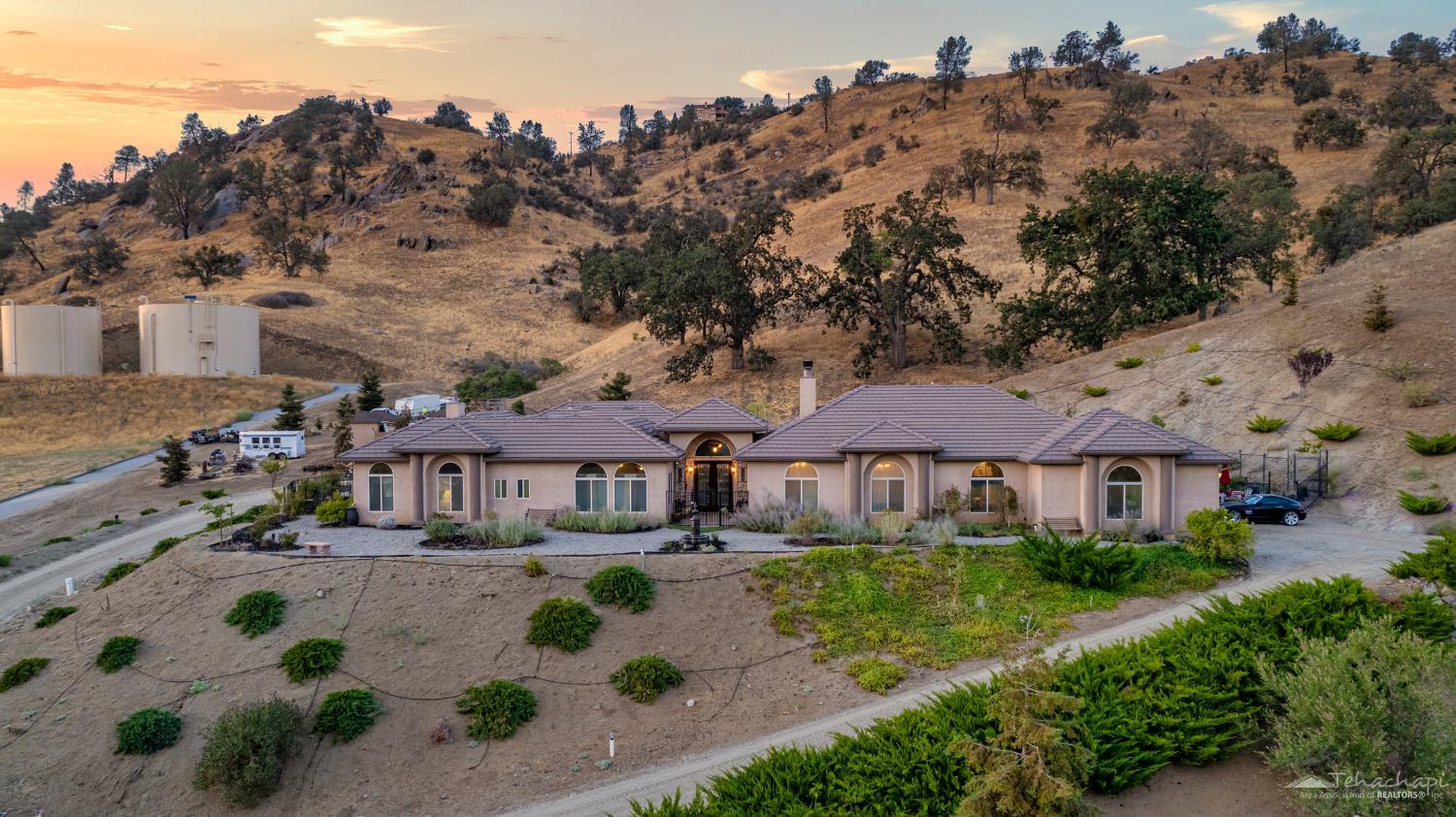
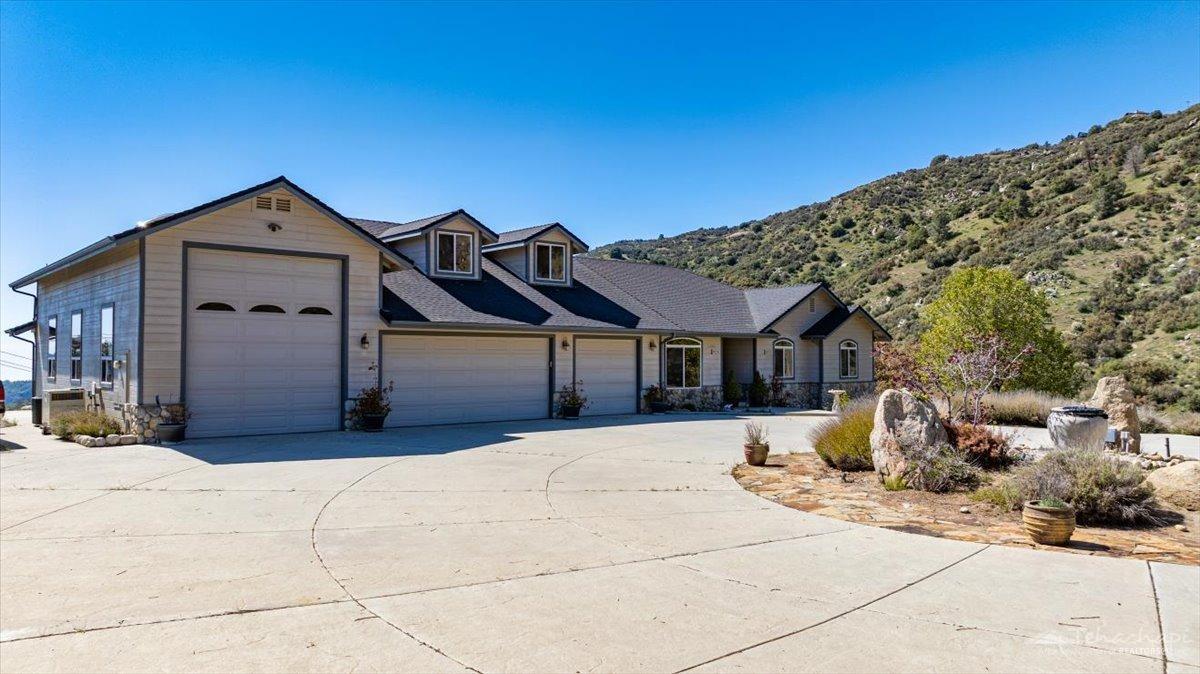
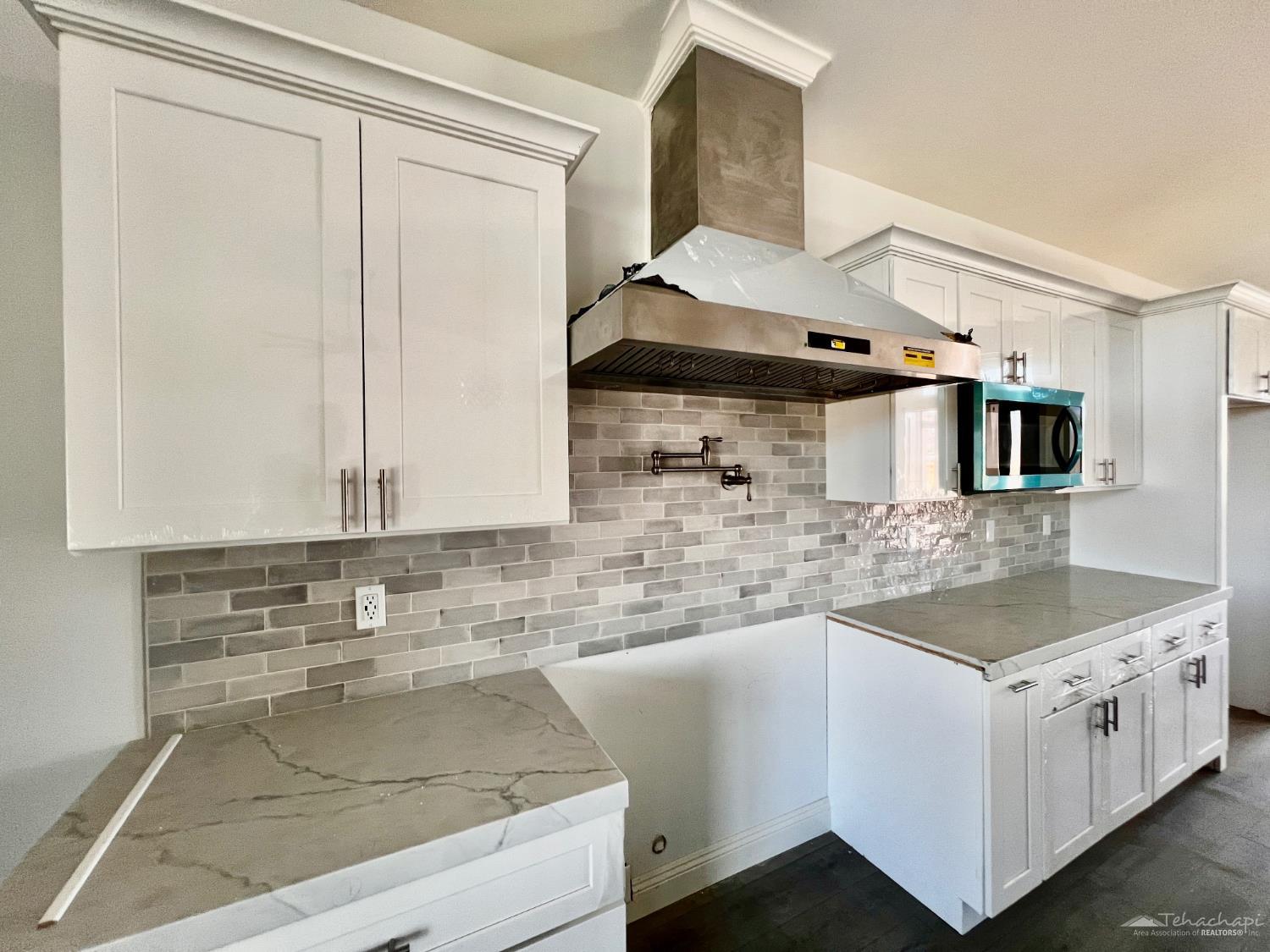
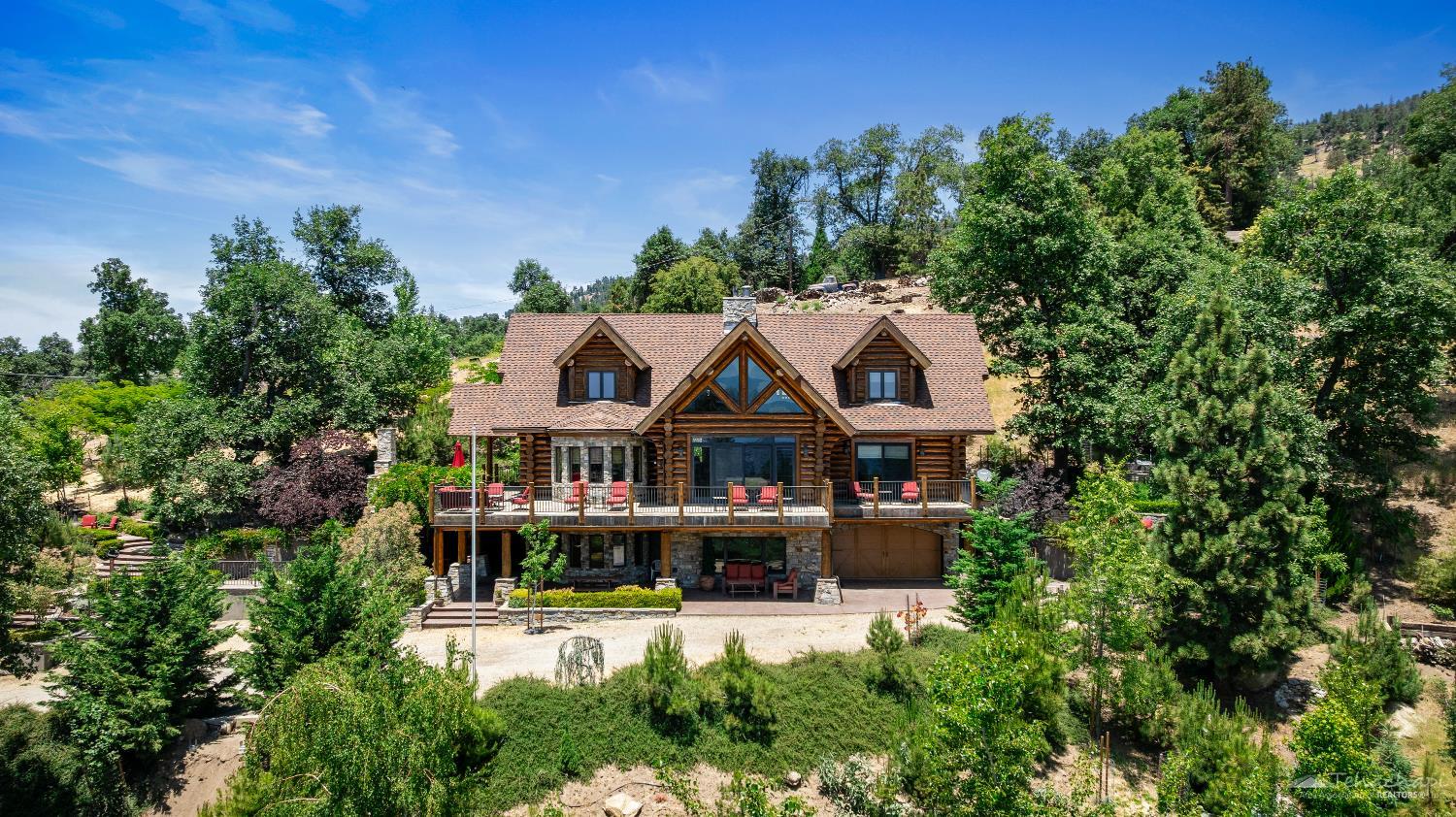
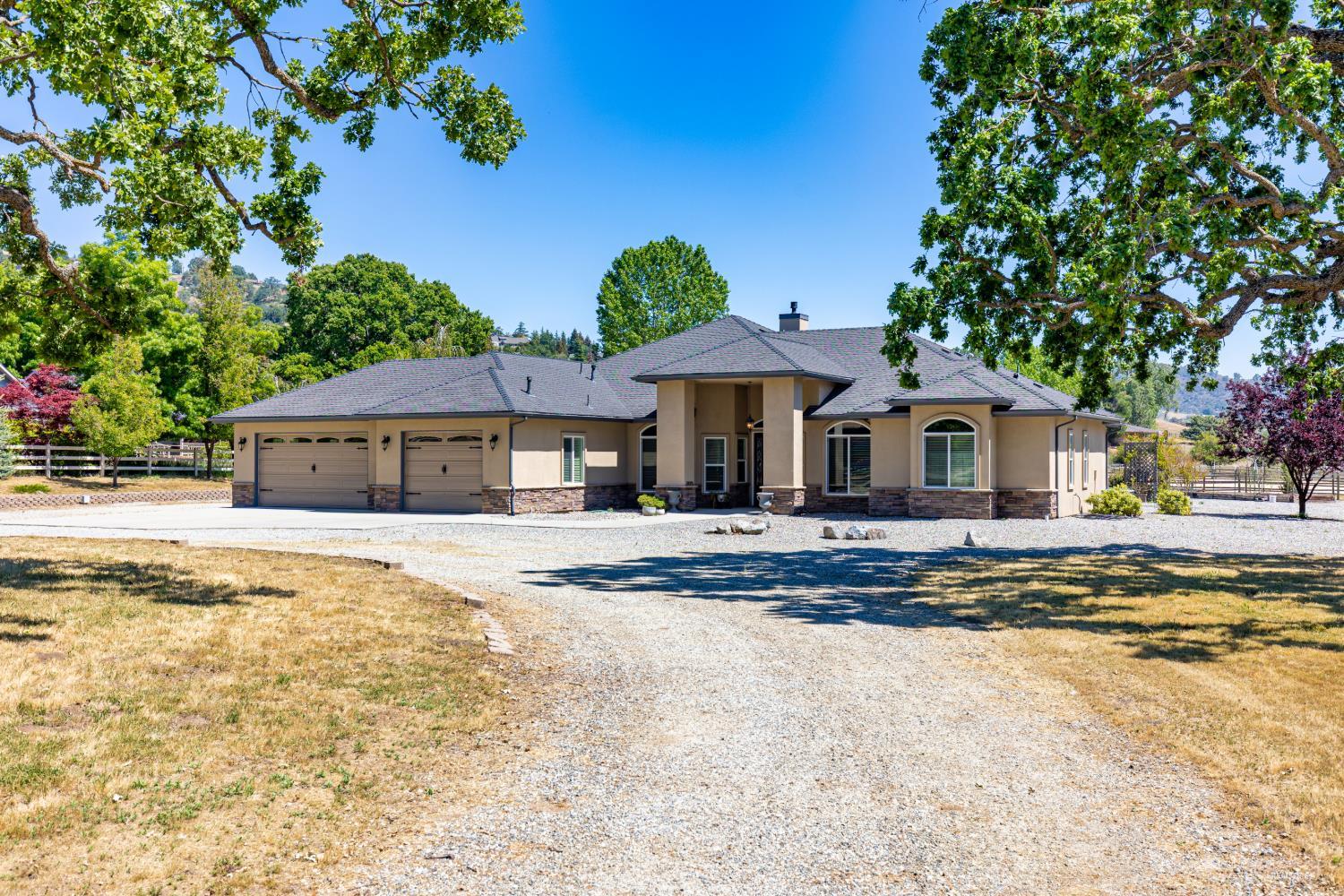
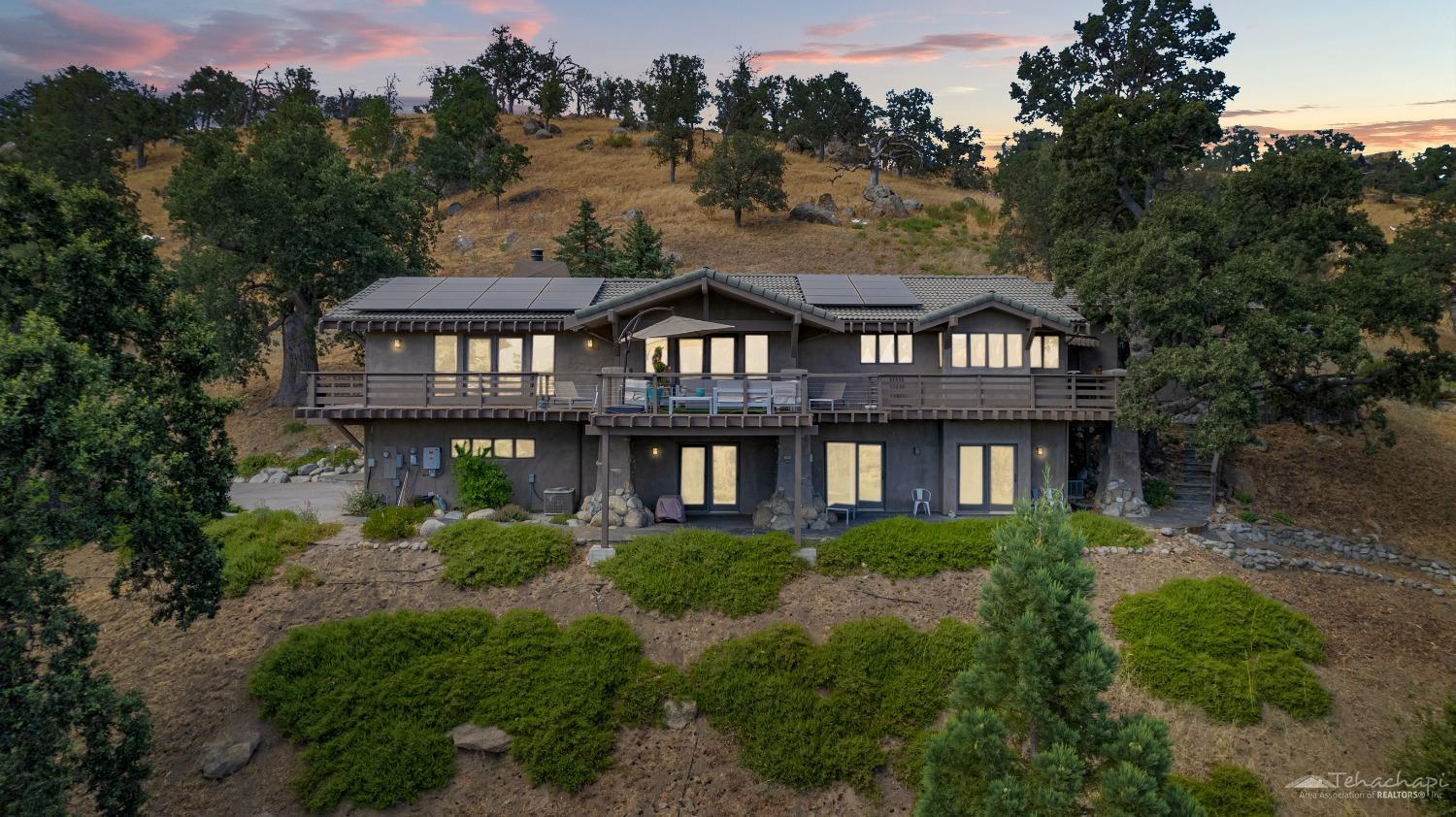
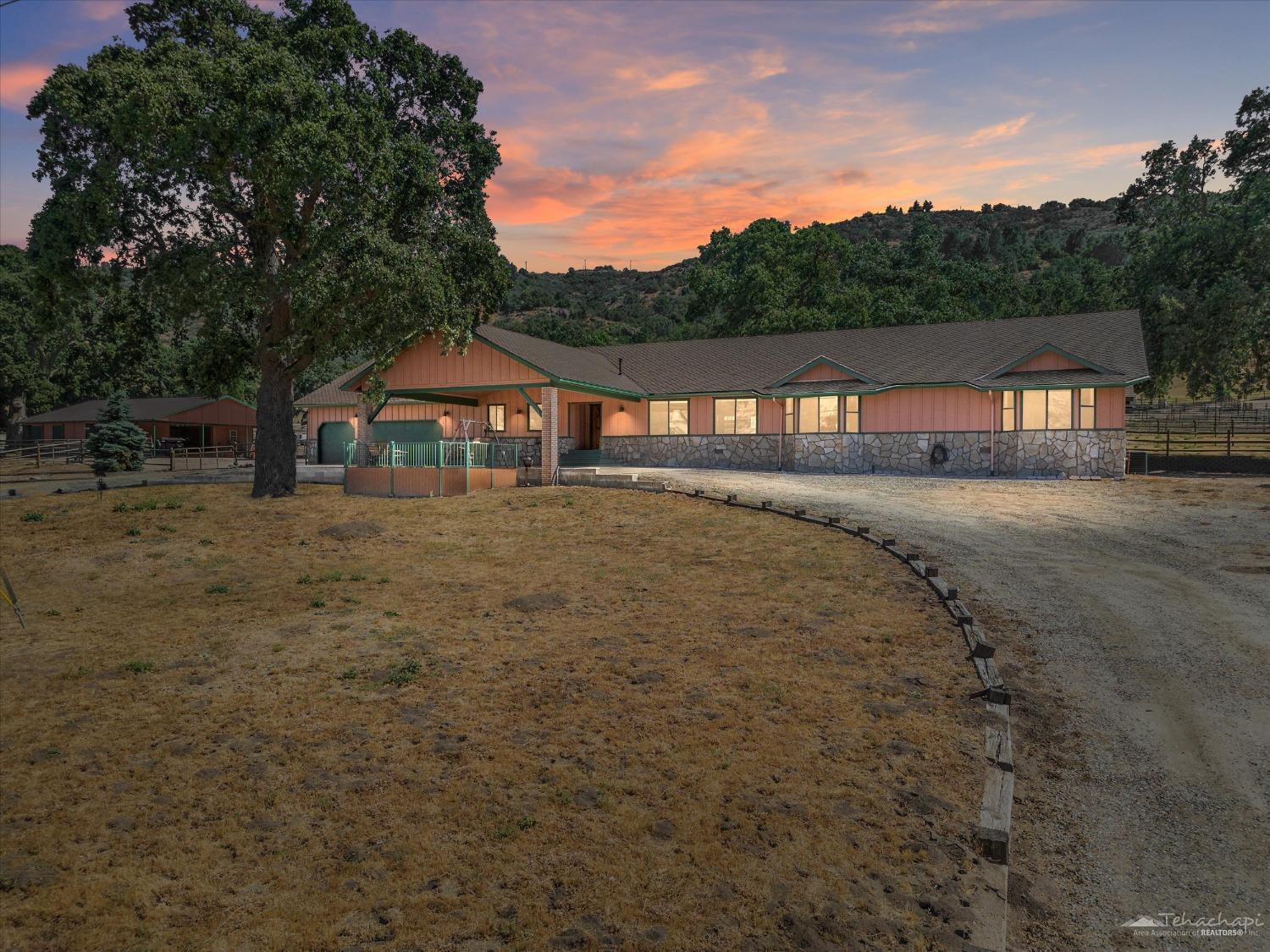
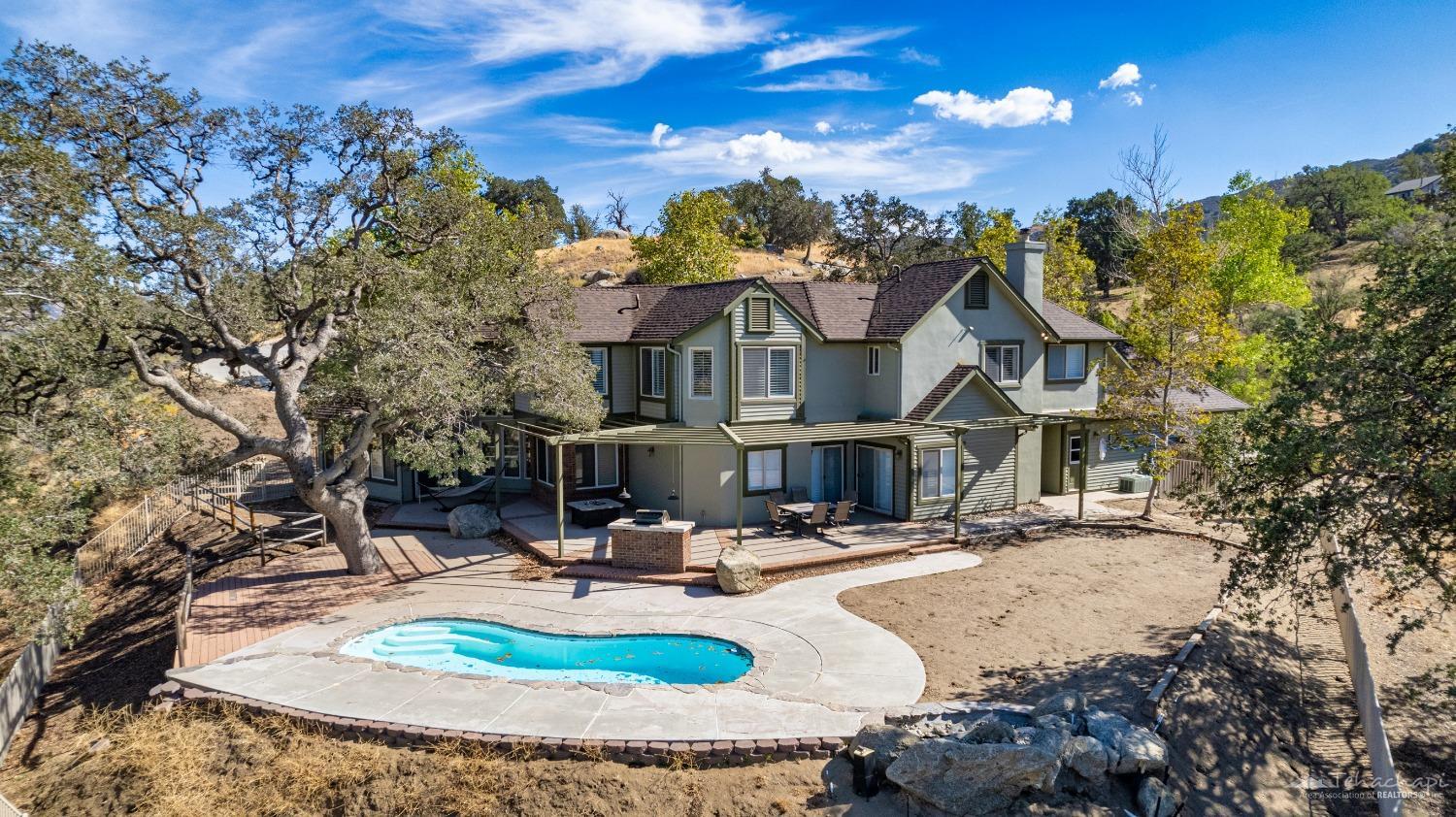
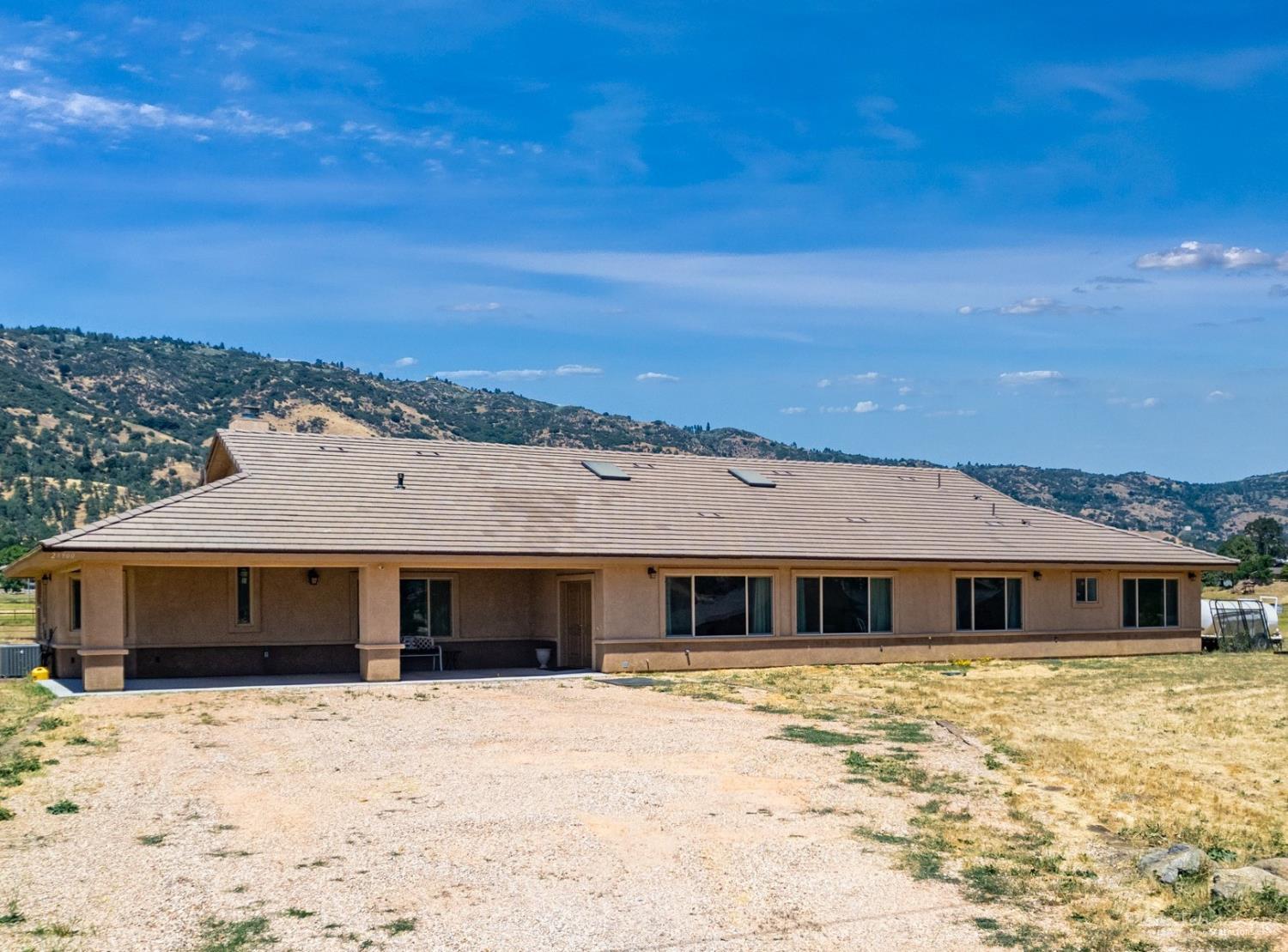
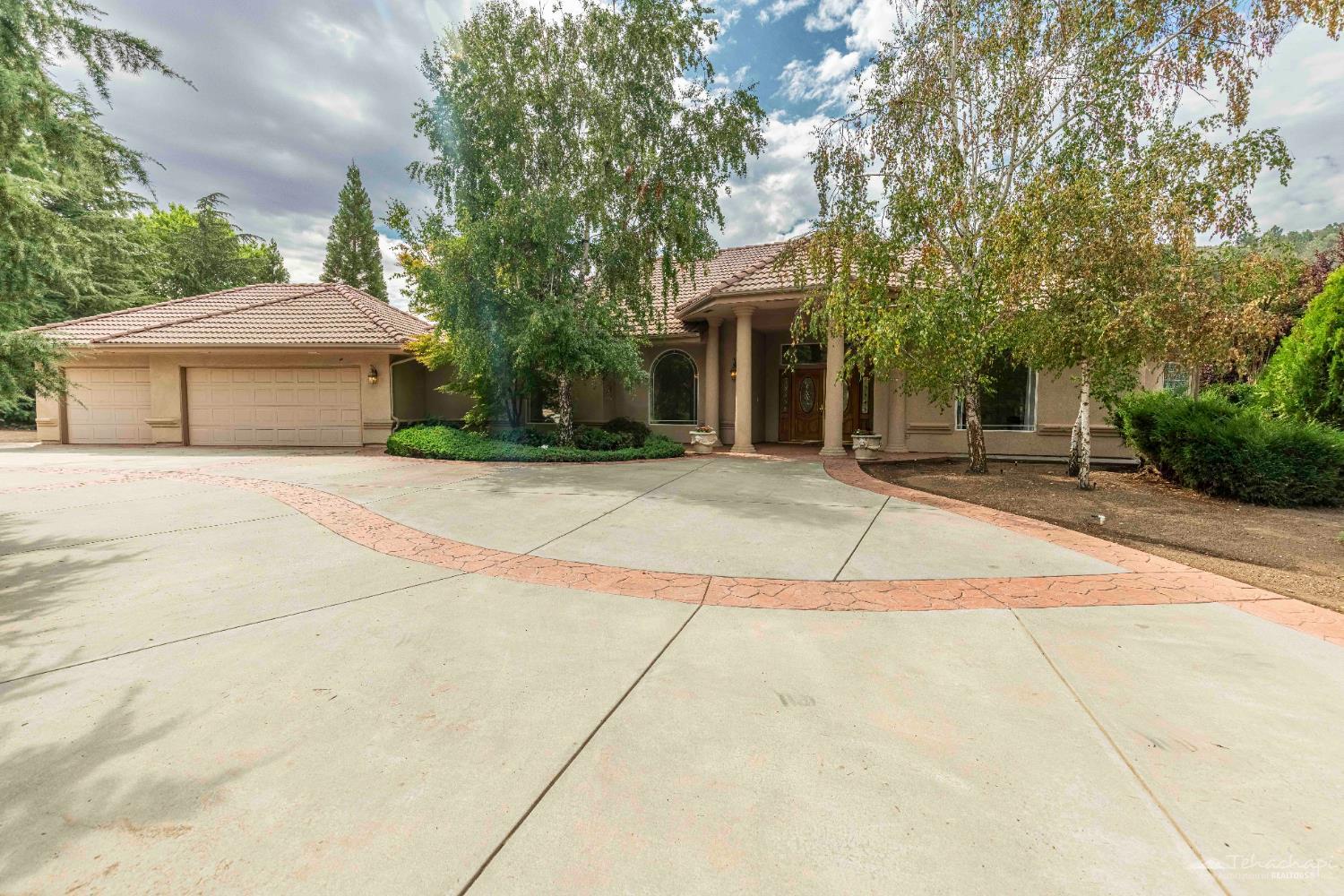
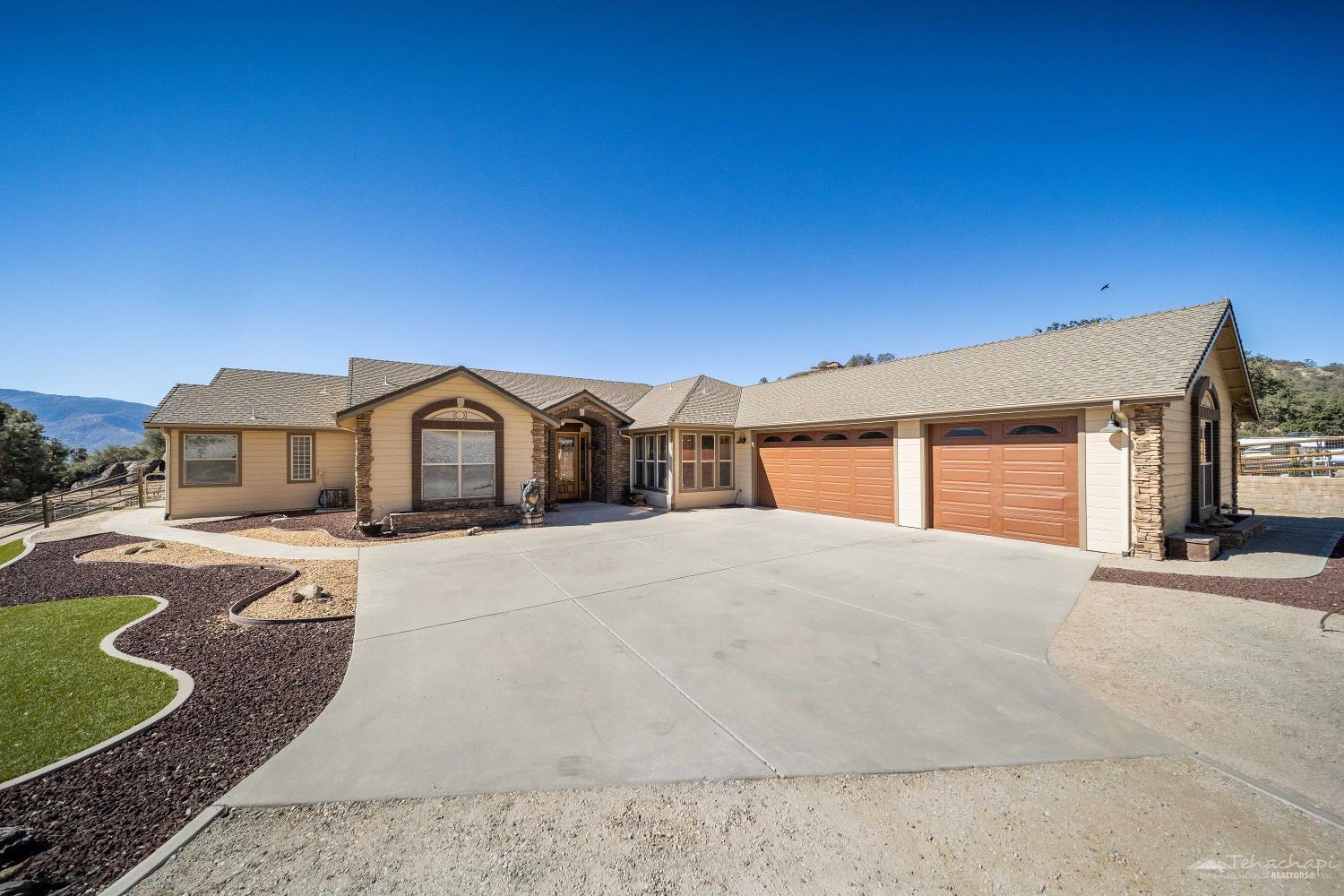
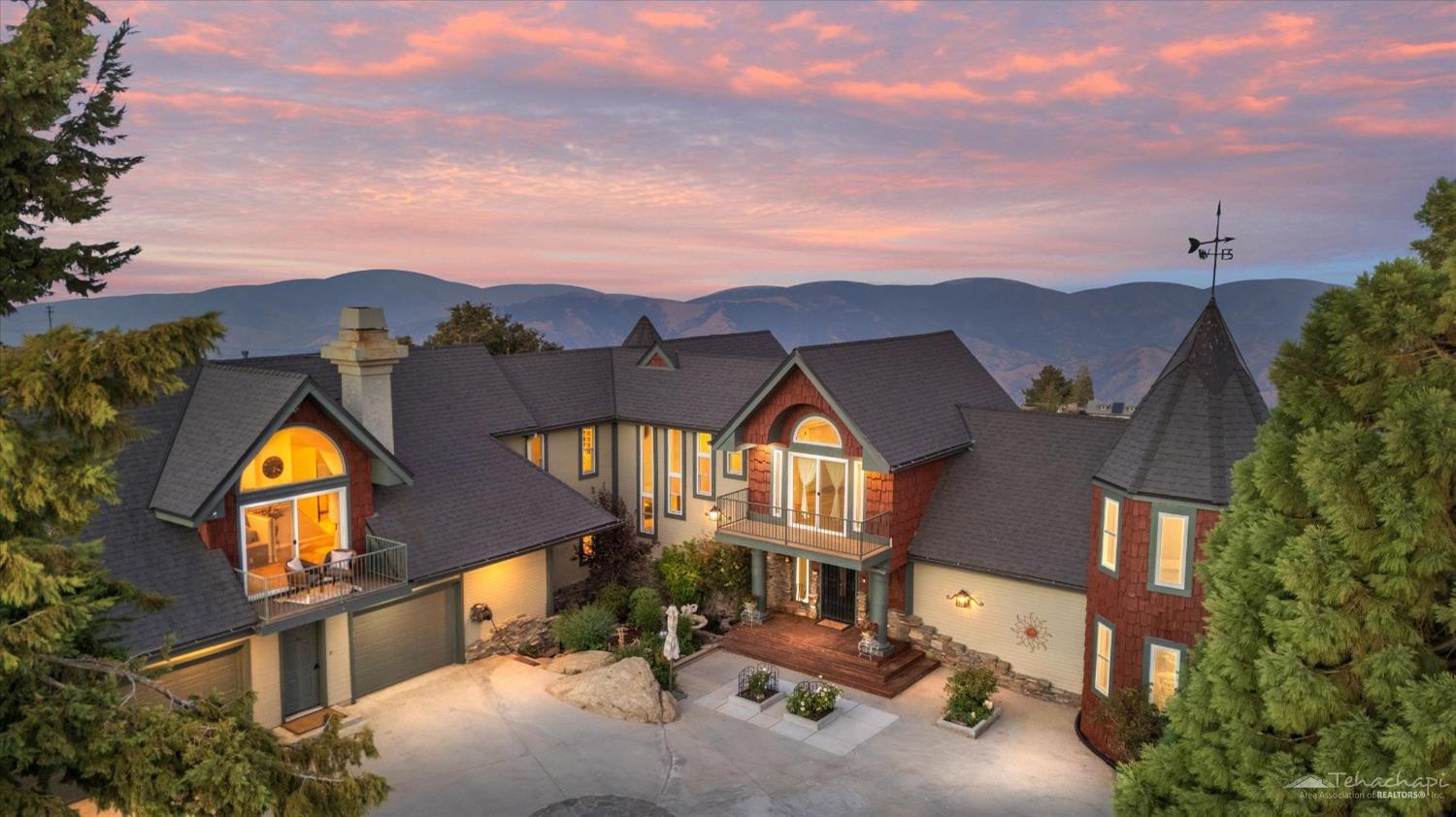
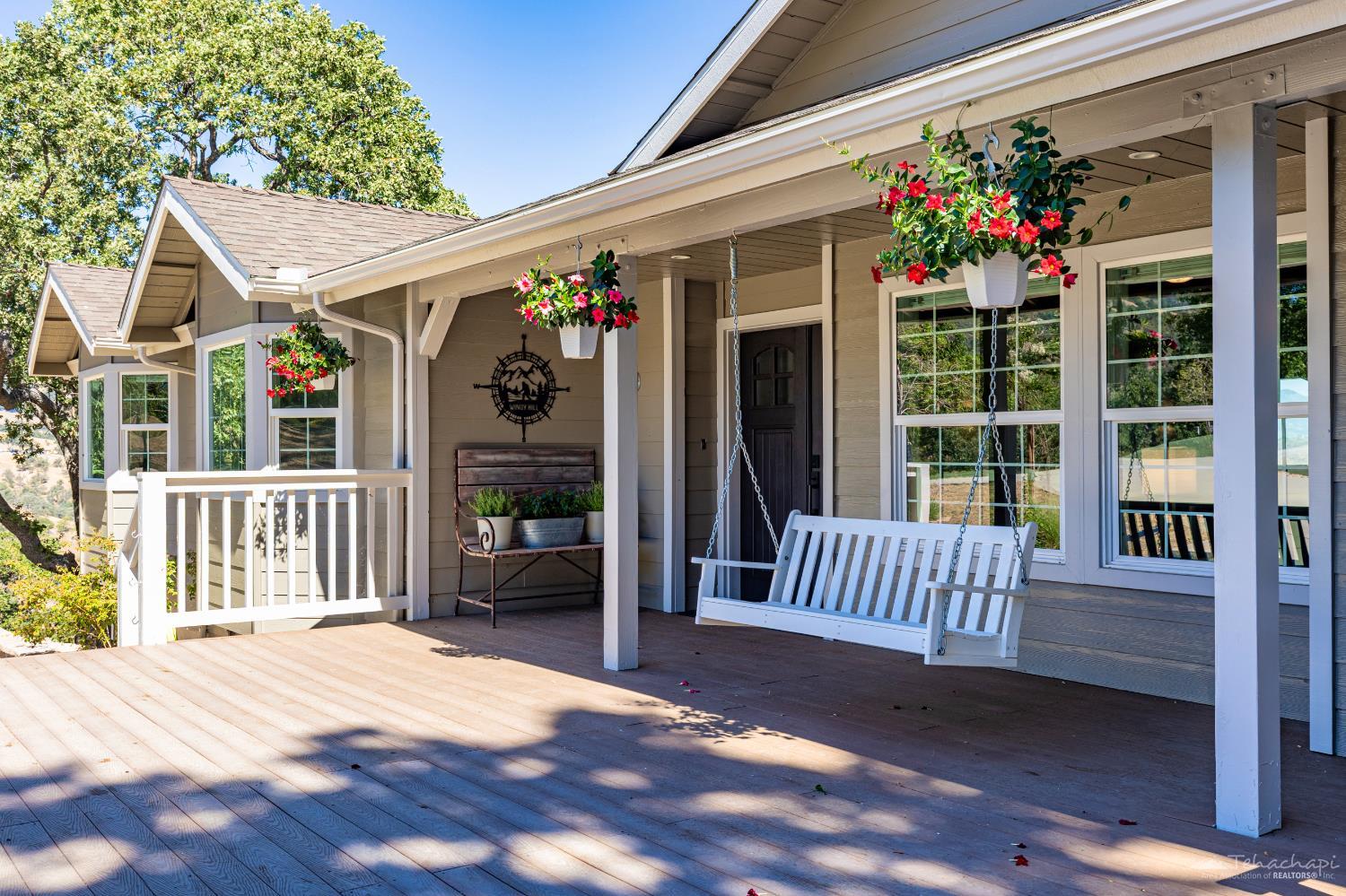
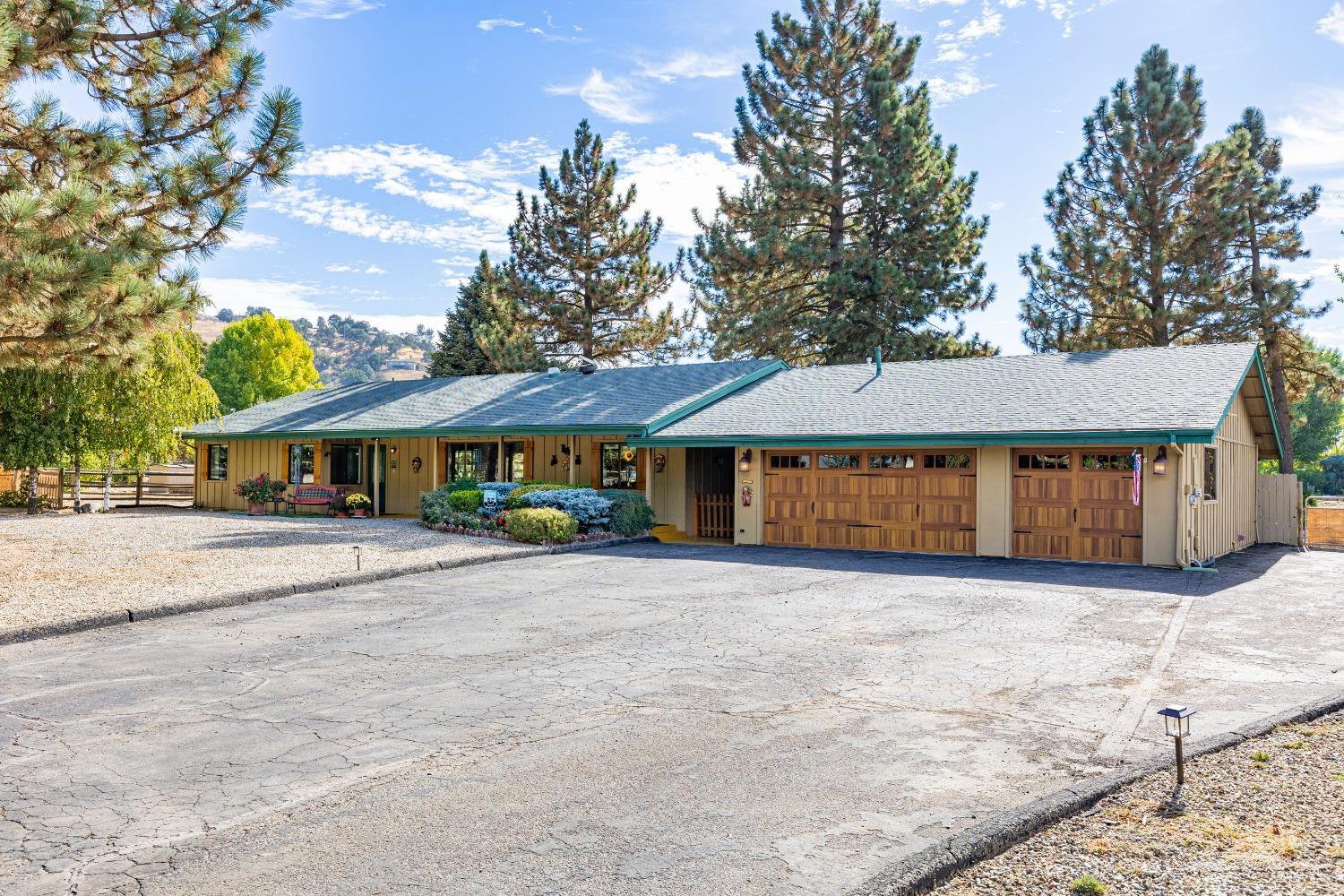
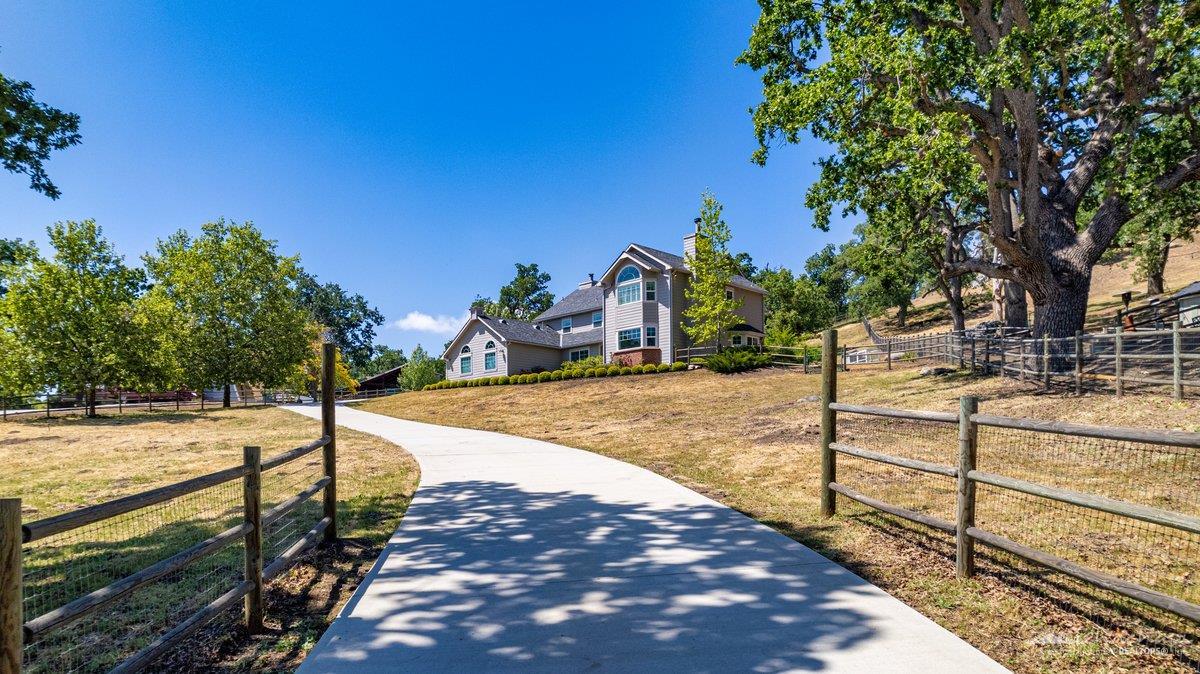
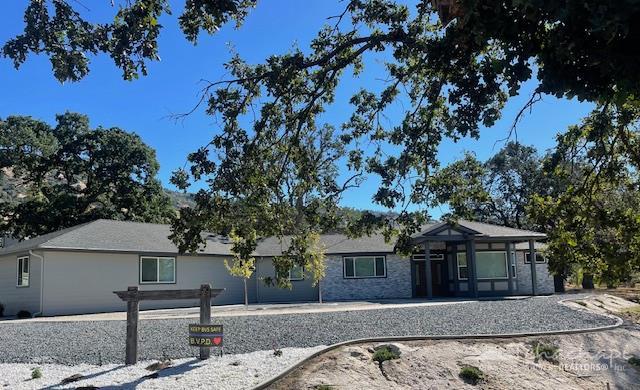
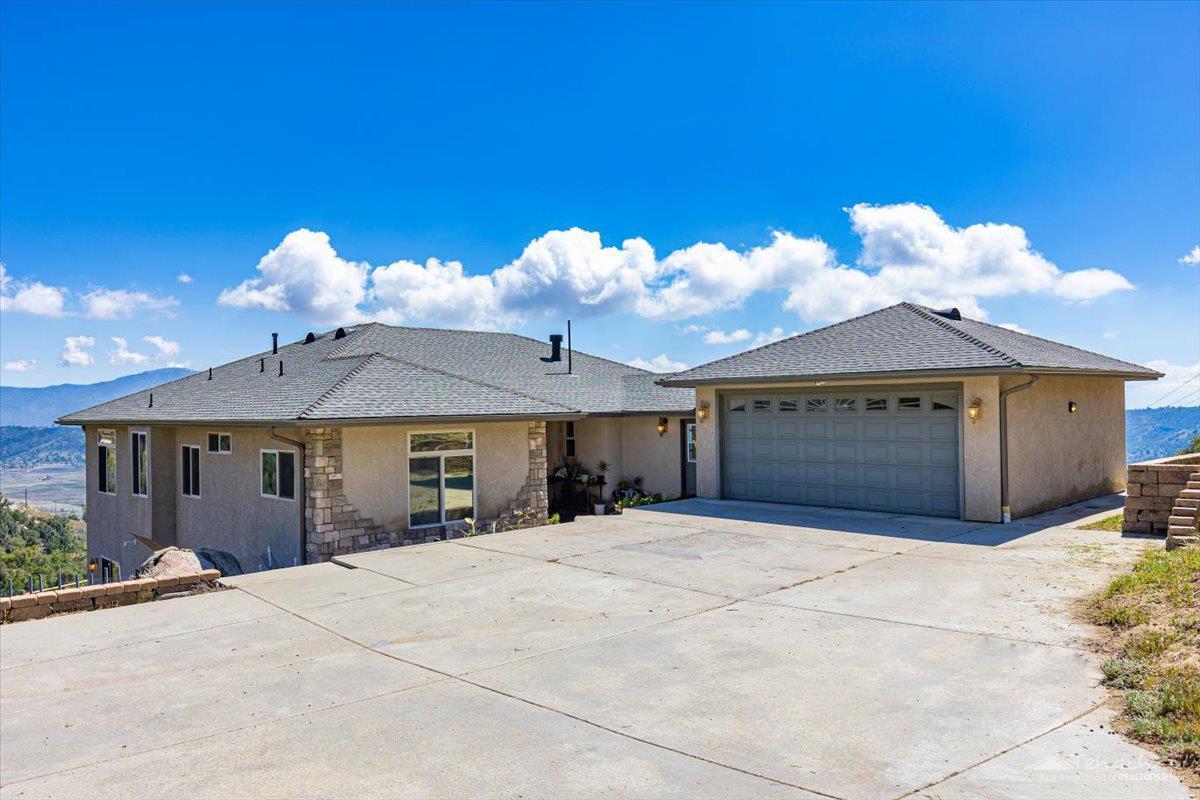
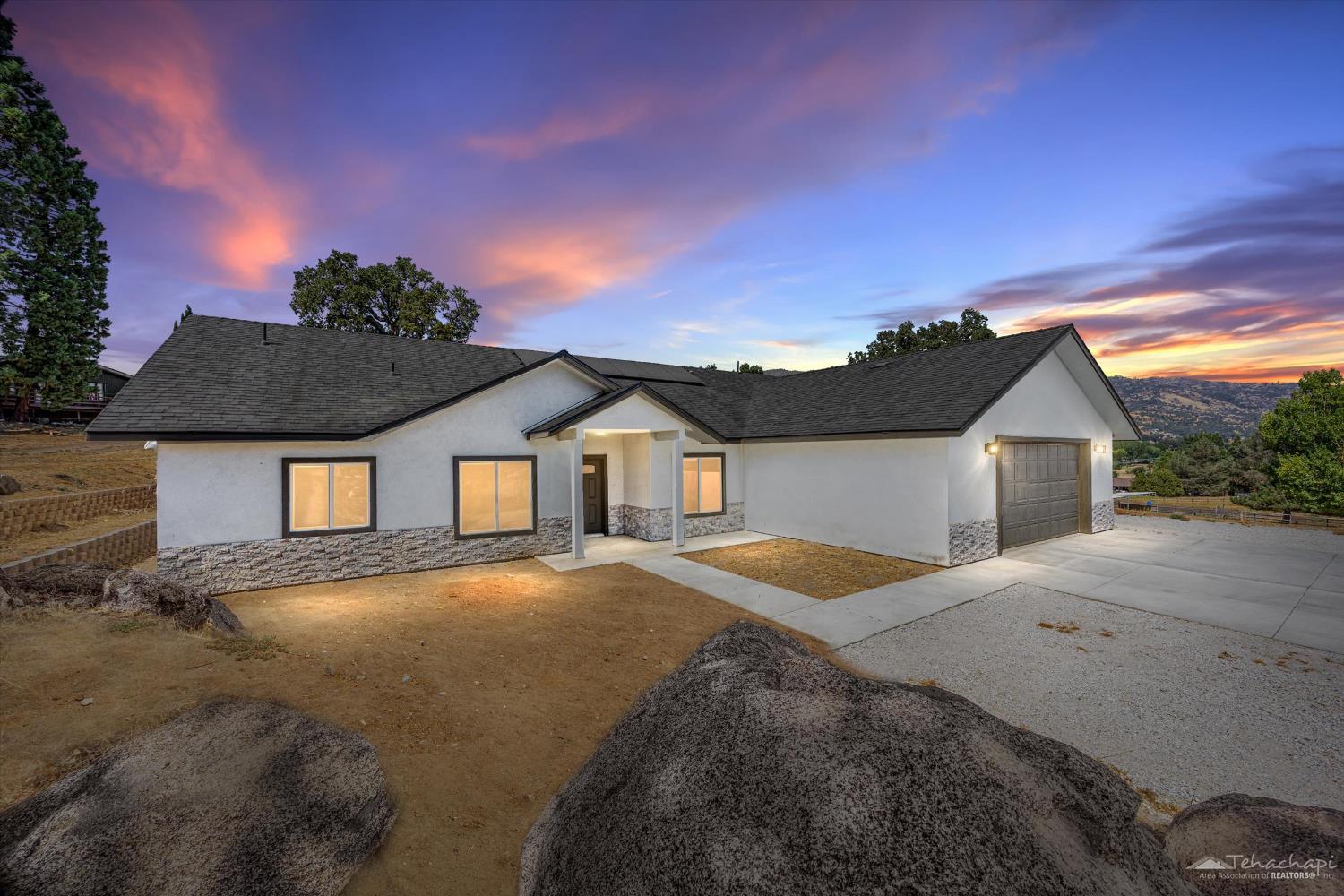
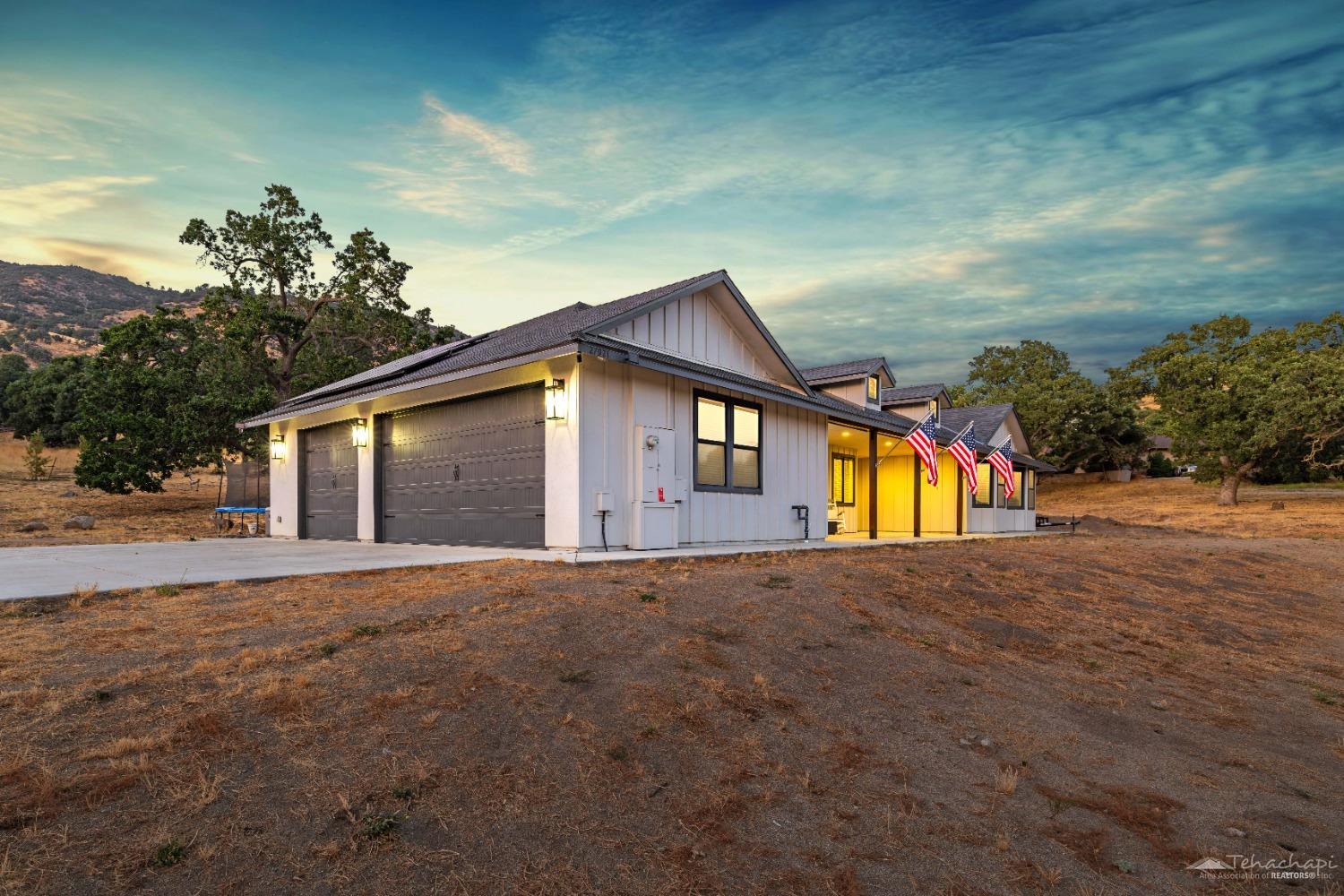
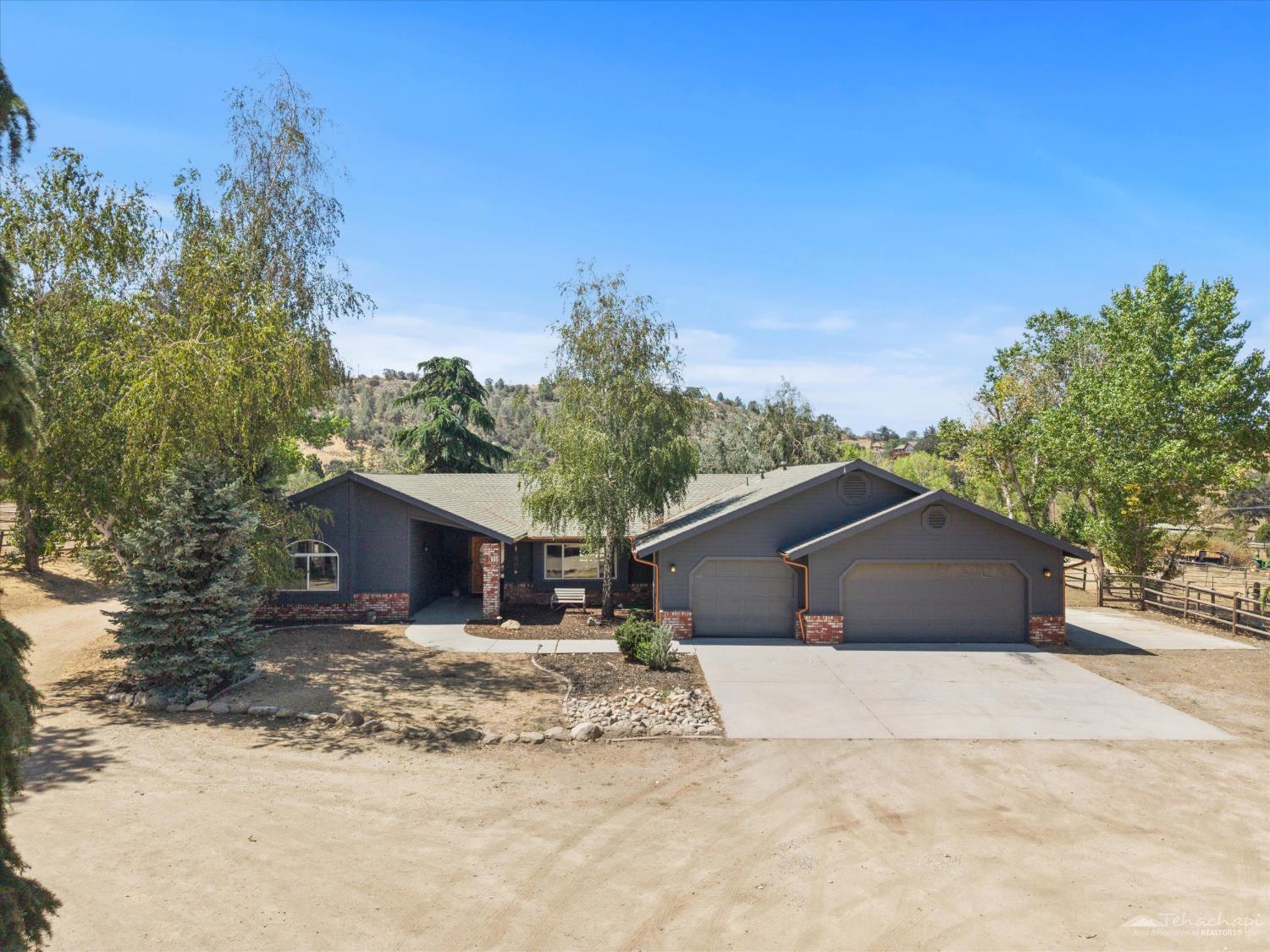
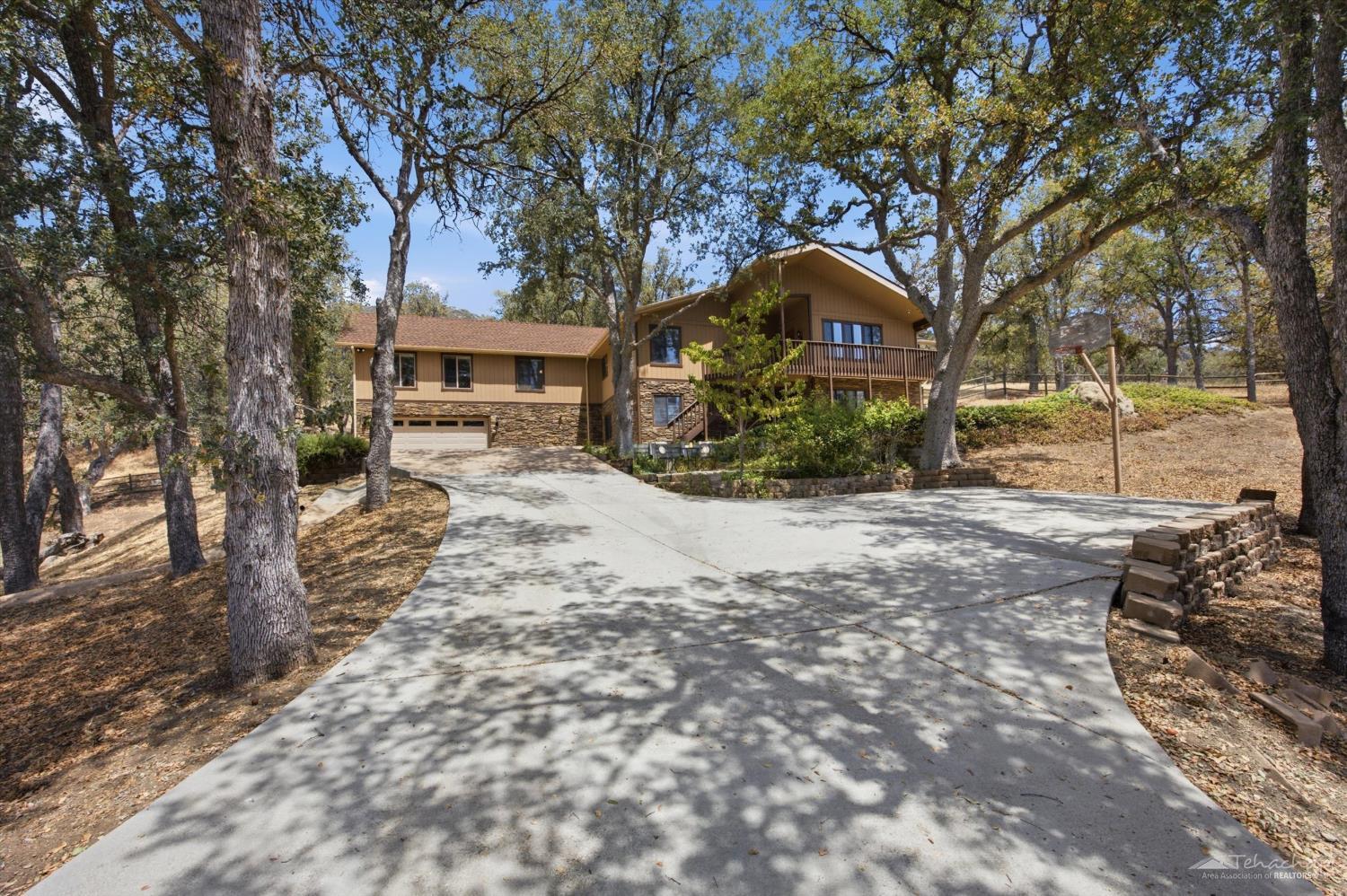
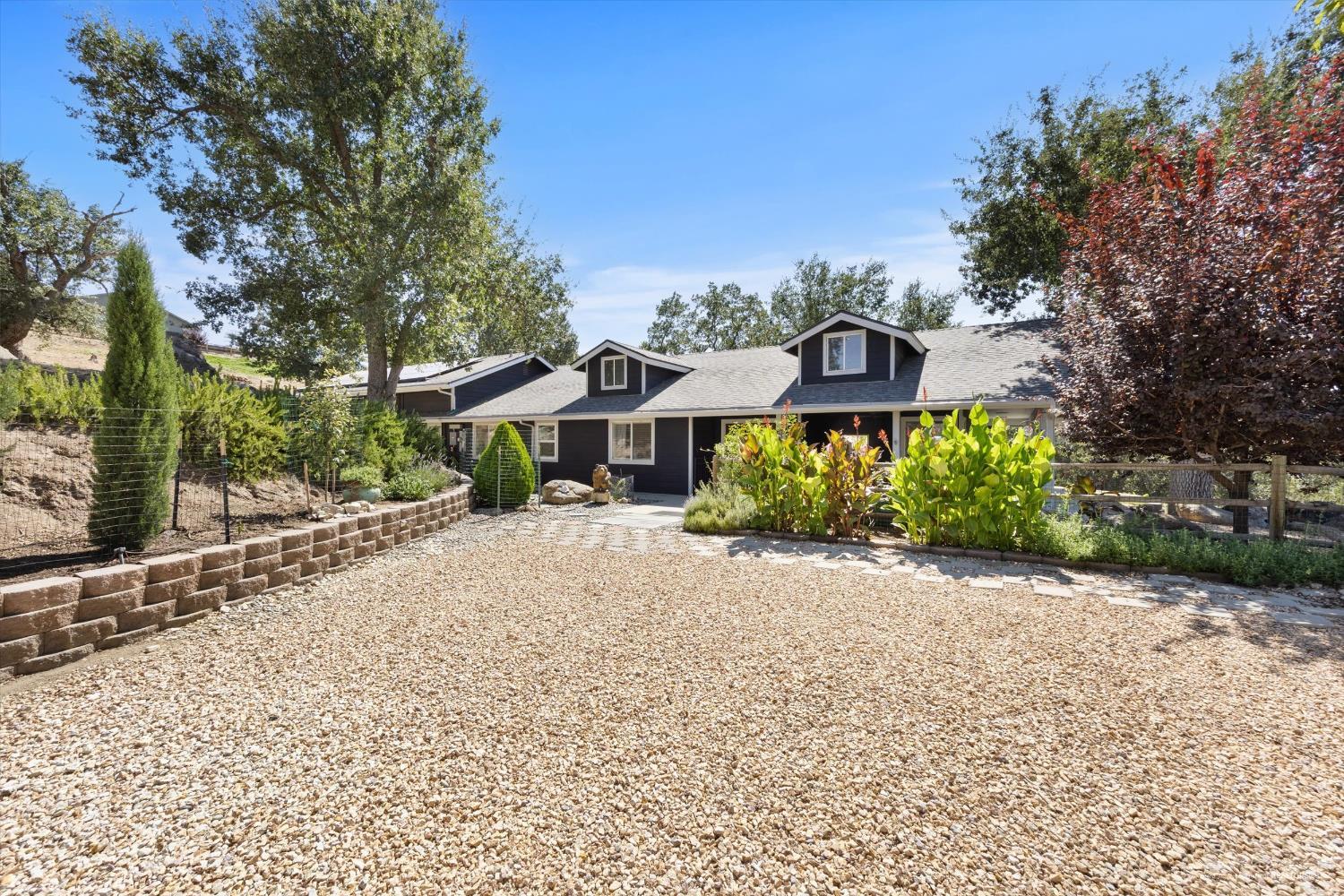
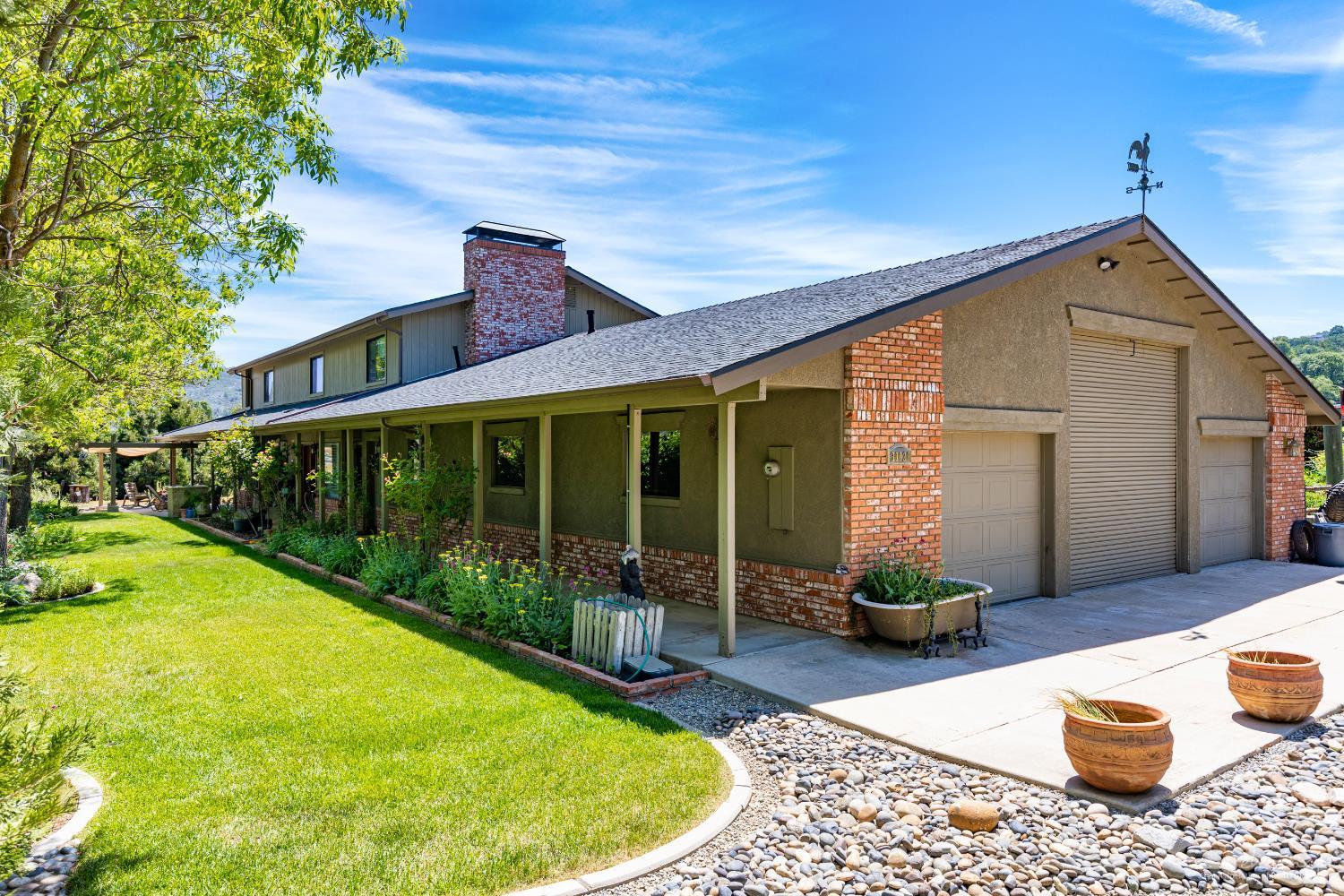
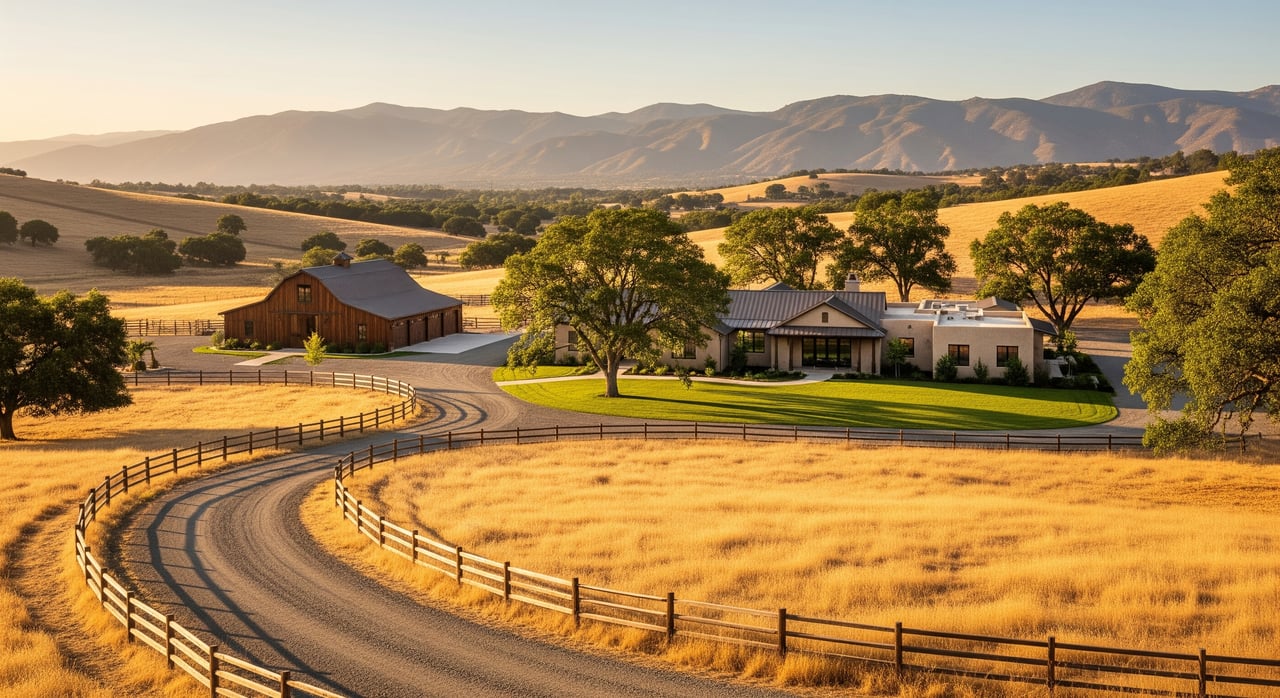
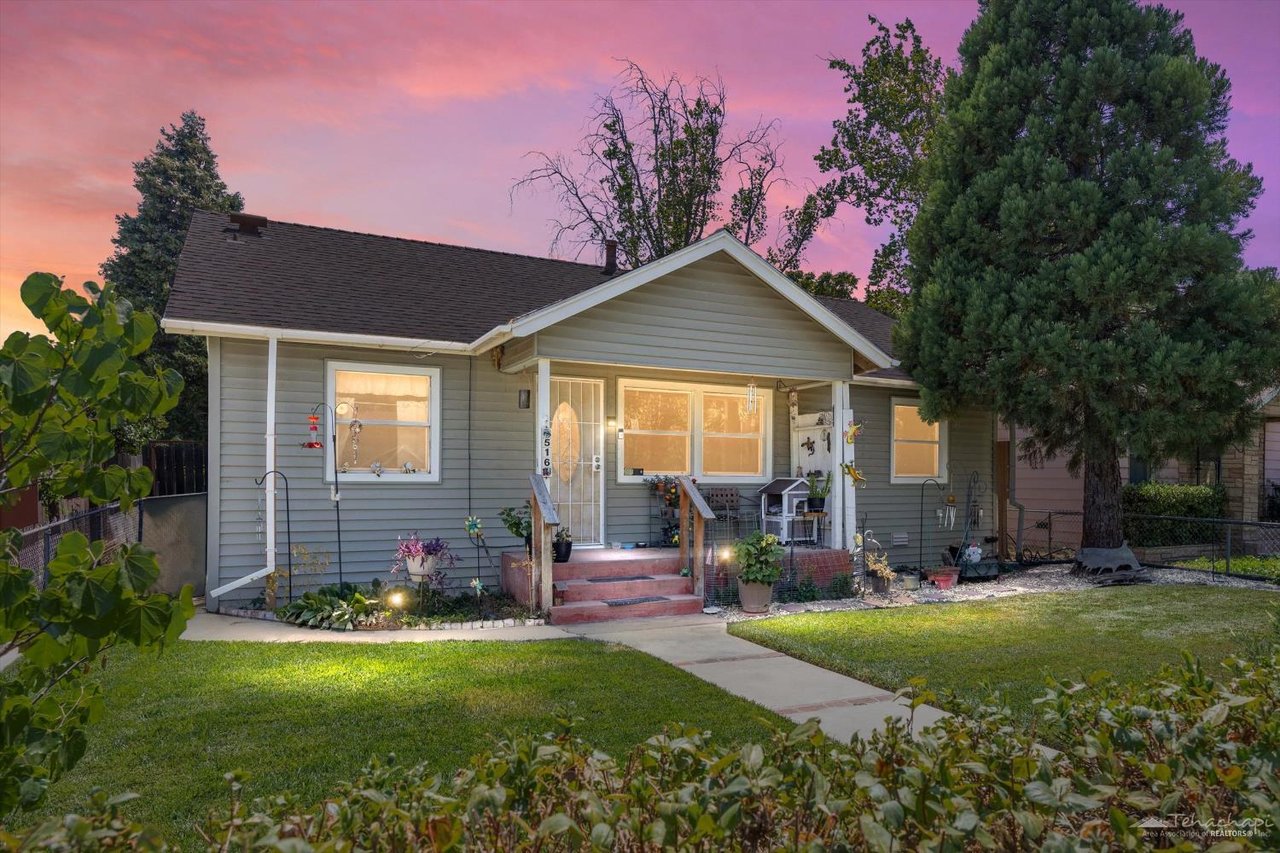
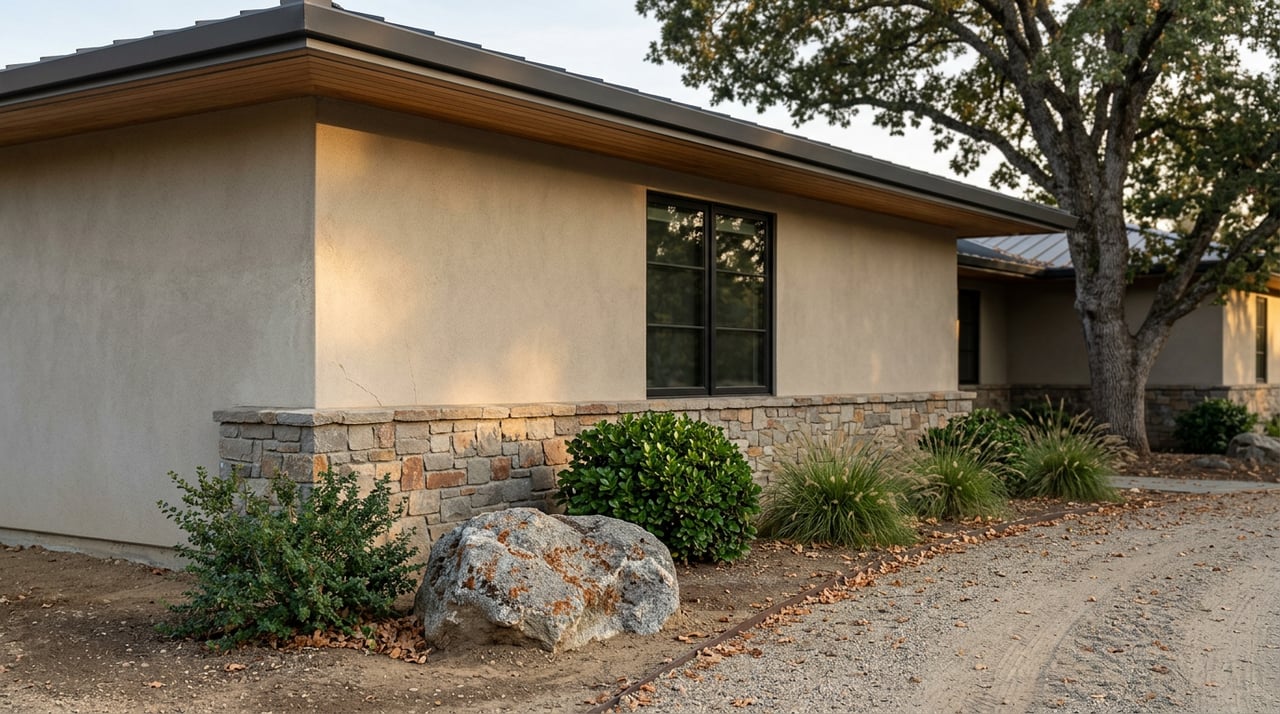
Real estate here doesn't follow the usual suburban script. Almost every home in Bear Valley Springs was custom-built or individually tailored to its land, which means no two streets look alike. Architectural styles run the full range—rustic log cabins, ranch-style homes, modern mountain builds, and classic single-story country houses all coexist across the community.
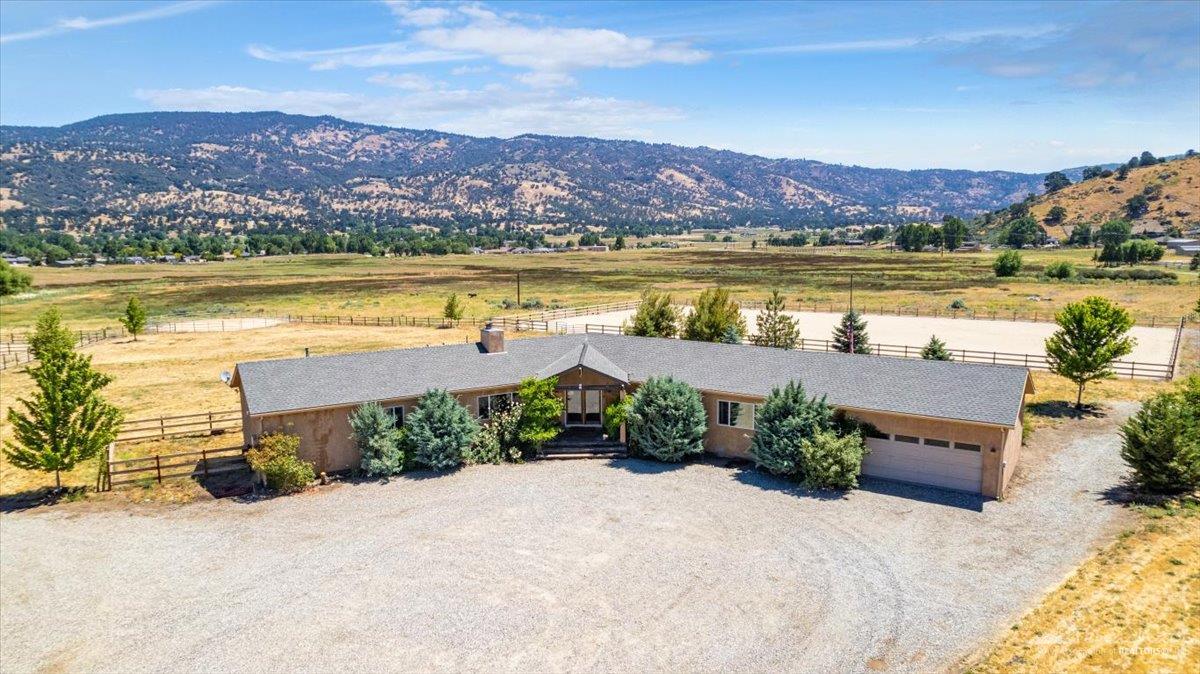
Pricing generally lands in the $400,000 to $500,000-plus range for single-family homes, with smaller condominiums near the golf course starting lower and custom mountain estates or full equestrian ranches climbing well into the upper six figures. Lot sizes are where the value really shows: parcels range from compact third-acre golf-course lots to sprawling 1-to-20-plus-acre spreads with pastures, private barns, and ridge views. On the infrastructure side, homes run on CSD-supplied water, and while a cluster of roughly 500 properties near the golf course connects to CSD sewer, most homes rely on private septic systems. Electricity and propane serve the community, and high-speed internet reaches across the valley floor and most of the lower mountain areas.
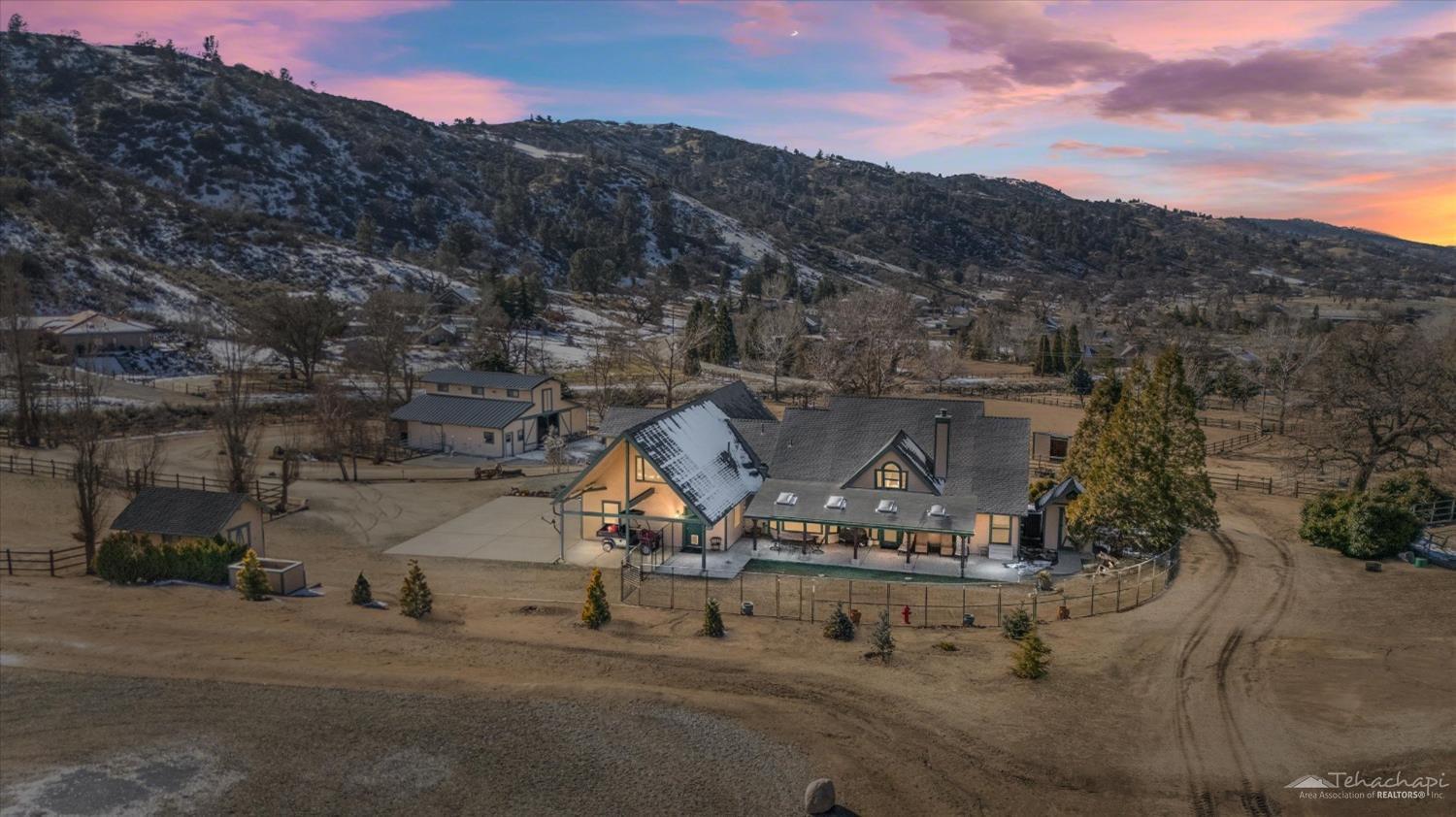
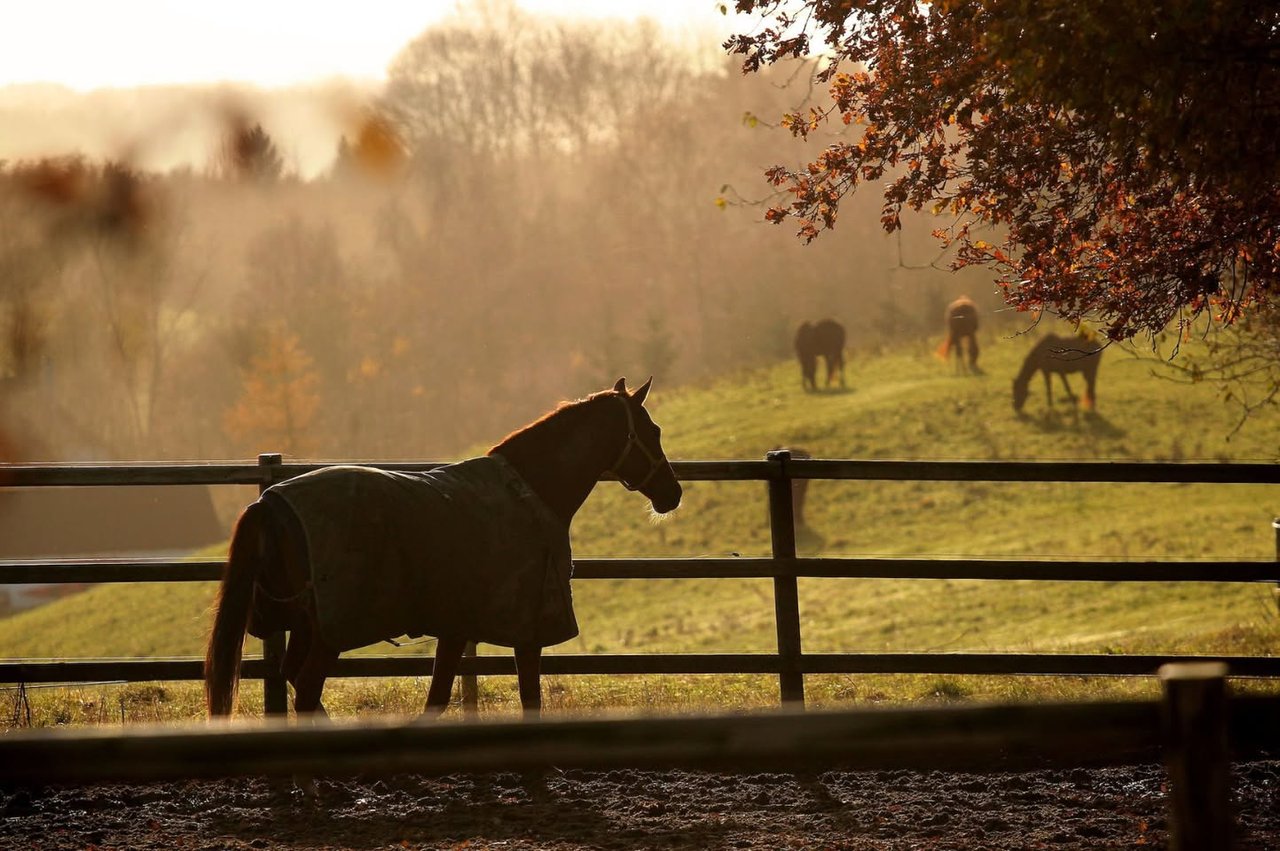
For many buyers, the deciding factor is the horses. A large share of properties are zoned for livestock, letting owners keep animals directly on their land with direct access to the 55-mile trail network—a combination that's genuinely rare and one of the strongest draws in the entire market.
The Bear Valley Springs Country Club and Golf
The social heart of the community is the Oak Tree Country Club, and the reason golfers keep coming back is the course beside it. Designed by acclaimed architect Ted Robinson, Sr. in 1973, the Oak Tree Golf Course winds through the oak-dotted valley floor with mountain peaks framing nearly every hole. It's laid out as a 9-hole, par-36 course with dual-tee placements, which lets golfers play a full 18-hole round—par 72 for men, par 73 for women—with a different look and distance on each nine.
The conditioning matches the setting. Perennial rye fairways and bentgrass-and-poa-annua greens are kept in tournament shape, backed by a full-length driving range with grass tees, a chipping green with a sand bunker, and a large putting green. But the course's real signature is its "hazards": herds of wild elk and black-tailed deer routinely bed down in the fairways during play, making it one of the more memorable rounds anywhere in California.
Off the course, the country club rounds out the experience. The Oak Tree Restaurant handles casual-to-fine dining with steaks, seafood, and regional fare overlooking the course, while the Mulligan Room is the go-to for breakfast, a quick lunch, or coffee before heading out to the trails. The Saloon serves as the community's private pub—local craft beer, wine, sports on the TVs, and a steady rhythm of weekly gatherings that make it a genuine social anchor.
Outdoor Recreation: Trails, Lakes, and Open Space
With more than 6,800 acres set aside strictly as open space and wilderness, Bear Valley Springs functions like a private park the size of a small national forest. The centerpiece is a network of roughly 55 miles of dedicated single-track trails, ranging from flat meadow paths ideal for a leisurely stroll or a beginner rider, to roadside right-of-way trails that keep horses and hikers safely off the pavement, to challenging backcountry routes with steep switchbacks and canyon views for experienced riders and hikers. One rule governs them all: horses always have the right-of-way, hikers step aside, and motorized vehicles and bicycles stay off the horse trails entirely.
The community's two lakes serve as gathering hubs. Four Island Lake, at 37.5 acres, is the larger and more activity-oriented of the two, with launch ramps for kayaks, paddleboards, canoes, and sailboats, three fishing docks, a sand volleyball court, and shaded picnic areas. Cub Lake, at 9.75 acres, has a gentler, park-like feel—walking paths circle the water, and the grounds include a large playground, outdoor basketball courts, a model boat dock, and a leash-free dog park. Together they give the community water recreation that most mountain enclaves simply don't have.
Wildlife and the Natural Setting
Bear Valley Springs sits in a transition zone where high desert, oak woodland, and alpine forest meet, and the result is an unusually rich and undisturbed ecosystem. Because the community was deliberately laid out with large open-space corridors, wildlife shares the neighborhood with residents on a daily basis rather than retreating to its margins.
The most famous residents are the elk. Large herds of Rocky Mountain elk roam freely across the valley, often sleeping on the golf course fairways or grazing in front yards—a sight that never quite becomes routine. Black-tailed deer are everywhere, moving alongside sizable flocks of wild turkeys. Higher on the ridges, the country belongs to black bears, bobcats, mountain lions, and coyotes, which is why residents practice bear-safe trash habits to keep the wildlife wild and out of the garage. For birdwatchers, the lakes and forests draw migratory waterfowl, red-tailed hawks, golden eagles, great horned owls, and a steady chorus of songbirds. Living here means accepting that you're a guest in a working ecosystem—and for most owners, that's precisely the appeal.
Climate and the Four Seasons at Elevation
One of the biggest surprises for buyers coming from Bakersfield or Los Angeles is that Bear Valley Springs has real seasons. Perched between 4,100 and nearly 6,900 feet, the community trades the relentless heat of the lowlands for a true mountain climate with four distinct chapters.
Season | Typical Range | What to Expect |
|---|
Spring (Mar–May) | 50°F–70°F | Crisp mornings, wildflowers across the valley floor, and snowmelt feeding the springs and streams. |
Summer (Jun–Aug) | 80°F–90°F | Warm, dry days that usually run 10–15°F cooler than the San Joaquin Valley, with low humidity and evening breezes dropping into the 50s. |
Fall (Sep–Nov) | 50°F–75°F | Crisp air and changing foliage among the valley oaks, cottonwoods, and poplars. |
Winter (Dec–Feb) | 30°F–48°F | Freezing nights and regular snowfall, especially above 5,000 feet. |
Winter is where the mountain setting shows itself. The valley floor may get light dustings that melt within days, while the higher ridges can pick up several inches to a foot of snow per storm. This is exactly where the community's self-sufficiency pays off—the CSD runs its own fleet of snowplows and cinder trucks to keep the roughly 110 miles of paved roads clear through the season.
Schools and Education
Families moving to Bear Valley Springs fall within the Tehachapi Unified School District (TUSD). Because the community is gated and residential, there are no public school buildings inside the gates; students commute the short distance into adjacent Cummings Valley or into Tehachapi itself.
For the youngest students, Cummings Valley Elementary (grades K–5) sits right outside the main gate on Bear Valley Road, making it the natural choice for BVS families—other TUSD elementary options in Tehachapi include Golden Hills and Tompkins. Older students head to Jacobsen Middle School (grades 6–8) and Tehachapi High School (grades 9–12, home of the Warriors), both roughly a 15-to-20-minute drive. The district runs bus routes with designated pick-up and drop-off points near the gates, so daily commuting is manageable. Families seeking alternatives have options too, including Valley Oaks Charter School, which supports home-schooling families, and the Tehachapi Independent Learning Academy.
Everyday Conveniences and Nearby Tehachapi
Inside the gates, residents have gas, dining at the Oak Tree Country Club, and grab-and-go options at the Mulligan Room, but for the bulk of everyday errands, life points toward Tehachapi, about 12 miles and 15 to 20 minutes east. The town covers the essentials comfortably. Groceries and supplies are easy, with a Walmart Supercenter, Albertsons, Save Mart, and a handful of local specialty markets. Downtown Tehachapi adds character to the practical side of things—a walkable historic center full of boutiques, antique shops, bakeries, craft breweries, and local restaurants. For home projects, livestock feed, and ranch supplies, Home Depot and Tractor Supply Co. are both in town.
Healthcare is closer than the remote setting might suggest. Adventist Health Tehachapi Valley, a full-service hospital with a 24/7 emergency department, surgical suites, and outpatient clinics, sits about 15 minutes from the main gate. Urgent care, dental offices, physical therapy, and veterinary clinics for both pets and horses round out the local medical picture, with Bakersfield's larger facilities available for anything more specialized.
Buying or Selling in Bear Valley Springs
Real estate transactions in Bear Valley Springs carry a few wrinkles that don't exist in standard, non-gated neighborhoods, and knowing them ahead of time saves headaches at closing. The single most important thing for buyers to understand is that two separate entities have to be dealt with. During escrow, buyers complete BVSA paperwork to transfer HOA rights and obtain their Use Privilege Cards for amenity access, and they separately register with the CSD to set up water billing and activate the vehicle transponders that open the main gate. Budget for standard escrow transfer and disclosure fees on the HOA side.
Beyond the dual registration, a few specifics deserve attention. Because most homes here run on private septic rather than sewer, a septic inspection and pumping are standard buyer contingencies. Anyone planning to keep horses, build a barn, add a fence, or put up a shop should verify lot zoning and consult the Environmental Control Committee (ECC), which enforces the architectural and land-use guidelines that keep the community's natural look intact. And because Bear Valley Springs sits in a high-fire-severity mountain zone, buyers should line up insurance quotes early in escrow—often through the California FAIR Plan paired with a supplemental companion policy.
Sellers have their own checklist. Properties with direct trail access, horse facilities, golf course views, or significant acreage command premium marketing, and listings should sell both the physical home and the full BVSA lifestyle package behind it. It also pays to get ahead of compliance before listing: any unpermitted outbuildings, non-compliant paint colors, or unapproved alterations should be squared away with the ECC to avoid last-minute closing delays. Finally, defensible space matters here, both to fire inspectors and to insurers—Kern County regulations require clearing brush and dry grass within 100 feet of structures, and a clean, fire-safe property appeals to buyers and insurance inspectors alike.
Work with Theresa Mann
Buying or selling in a community this distinctive calls for someone who genuinely knows it, and that's where Theresa Mann comes in. A Tehachapi local for more than 40 years with 25 years of real estate experience, Theresa specializes in exactly the kind of property Bear Valley Springs is built on—homes, ranches, and raw land, with deep knowledge of water rights, farming, and the equestrian lifestyle that defines the area. She's been voted Tehachapi's "Best & Favorite" Realtor for six years running and has ranked as Keller Williams' #1 agent in total sales volume, GCI, and unit count for three consecutive years. Her clients consistently point to her sincerity, her work ethic, and her eye for both the fine details and the bigger picture.
If you're thinking about making a move to Bear Valley Springs—or you own here and are ready to sell—Theresa would welcome the conversation. You can reach her directly by phone at (661) 205-4088 or by email at [email protected]. Whether you're just starting to explore the community or ready to write an offer, she'll help you navigate this one-of-a-kind market with the local insight only four decades here can provide.
Visit Bear Valley Website