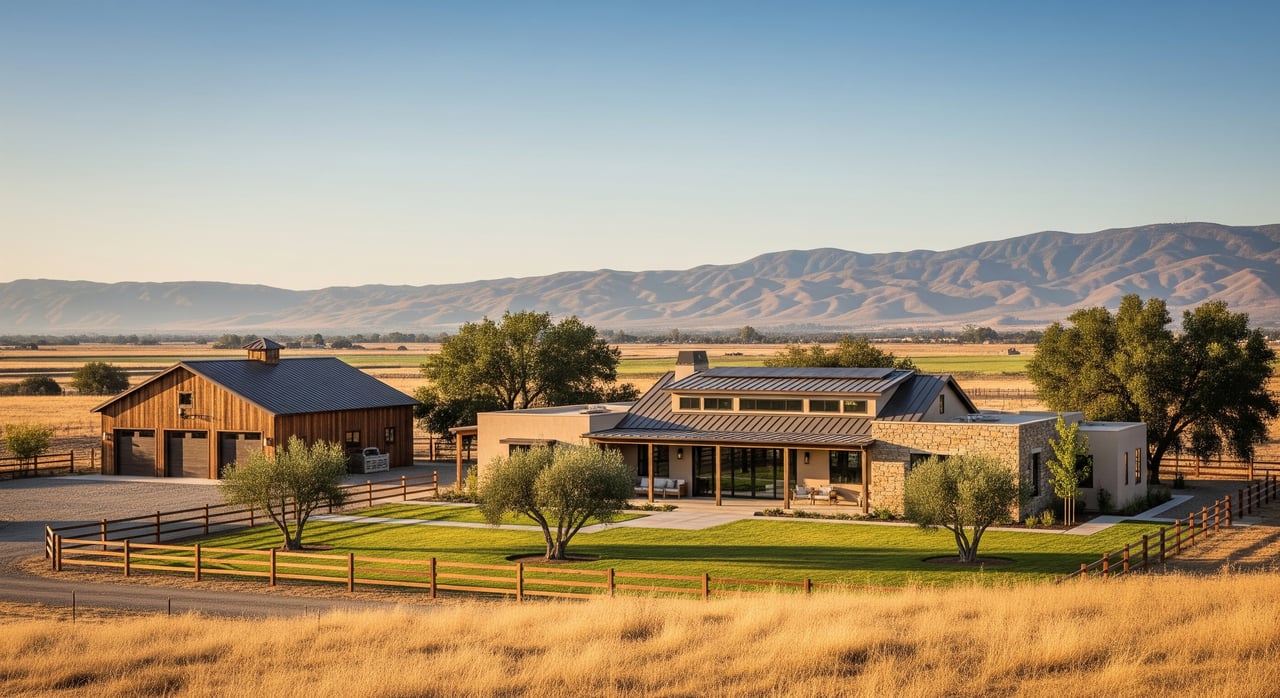
Thinking about acreage in Hart Flat? The views and elbow room are easy to love, but rural living works differently than in town. You want the space without surprises. In this guide, you’ll learn the key questions to ask about access, wells, septic, utilities, fire risk, insurance, and permits so you can buy with confidence. Let’s dive in.
Why Hart Flat appeals to acreage buyers
Hart Flat sits in the Keene and Tehachapi foothills of northern Kern County. Parcels vary widely in size, terrain and services, which is part of the charm. The area has a semi‑arid, high‑desert and mountain climate with hot, dry summers and cooler winters. Some pockets see winter snow, seasonal winds and heavy rain, which can affect unpaved roads and driveways.
Because every parcel is unique, the right questions upfront protect your budget, timeline and daily comfort. Use the sections below as a practical checklist during showings and before you write an offer.
Road access and maintenance
Access sets the tone for daily life, emergency response and resale. Start here:
- Is the road county maintained or private? County roads are maintained by Kern County Public Works and typically receive snow removal. Private roads and shared drives depend on owners for upkeep.
- What is the legal access? Ask for a recorded ingress and egress easement on title. Confirm it allows road work and utility installation if needed.
- Can fire and medical vehicles reach the home? Check roadway width, grade, turnouts, and any gates. Ask who holds emergency access codes or keys.
- What is the surface and condition? Inspect pavement, gravel or dirt, plus drainage culverts. Ask about washouts, grading frequency and who pays.
Key documents to request:
- Recorded access easements
- Any road maintenance agreement, HOA or road association rules and fee history
Water: wells, quantity and quality
Most Hart Flat acreage relies on private wells or small shared systems. Water is mission‑critical.
- What serves the parcel? Confirm if it is a private well or a public or shared system. If shared, request the recorded well easement and sharing agreement.
- Is there a well log and pump test? Ask for the well completion report and any recent yield tests or service records. You can look up well completion reports through the California Department of Water Resources’ Well Completion Reports program. See the state’s overview for access options at the California Department of Water Resources Well Completion Reports page.
- How much storage and backup power is available? Check pressure tanks, any cistern, and whether the system has generator hookups.
- What does the water test show? Request certified lab results for total coliform and E. coli, nitrate, total dissolved solids, and locally relevant minerals. If no recent test exists, plan one during escrow.
Helpful resources:
- Review state guidance for private well owners on the State Water Resources Control Board’s well owner page: private well testing and maintenance.
- Learn about well logs via California Department of Water Resources Well Completion Reports.
Buyer checklist for water:
- Well log, pump test and maintenance history
- Certified water quality test for bacteria, nitrate, TDS and locally relevant contaminants
- Recorded well sharing agreement, if applicable
Septic and onsite wastewater
Most rural parcels use onsite septic systems. A healthy, permitted system is essential.
- What permits exist? Request the approved septic permit and any repair or change permits on file with Kern County Environmental Health Services.
- Where are the components? Ask for an as‑built septic map that shows tank, leach field and reserve area locations.
- Is the system sized correctly? Verify the system matches bedroom count and planned use. If you plan to add bedrooms or a guest unit, confirm there is room and soil capacity for expansion.
- What is the condition? Hire a licensed septic contractor to inspect the tank, distribution box and leach field, and to look for backups, soggy areas or odors.
Local point of contact:
- For permitting questions, start with Kern County Environmental Health Services.
Buyer checklist for septic:
- Septic permits and as‑built map
- Recent inspection report and pump‑out history
- Confirmation of reserve area and any expansion limits
Utilities and connectivity
Electricity and gas
- Who is the electric provider? Most parcels are served by regional utilities such as Southern California Edison. Confirm the meter location and any known line upgrade costs.
- Is natural gas available? Many acreage homes use propane. Verify tank ownership, service provider and condition.
Internet and cell service
- Coverage varies in Hart Flat. Options may include fixed wireless, DSL where available, satellite providers and mobile hotspots. FCC maps can be imperfect, so test on site with your carrier.
- Check the FCC National Broadband Map as a starting point, then verify speeds during a visit.
Trash, mail and services
- Ask about trash pickup or drop‑off options, mail delivery type and nearest fire station.
- Confirm gate access instructions for delivery and emergency services.
On‑site tests to run:
- Speed tests for internet and cell coverage across multiple carriers
- Generator operation and well pump performance under backup power, if applicable
Fire risk, insurance and readiness
Wildfire is a real consideration in the foothills. It affects safety, building standards and insurance.
- What is the fire hazard level? Check your parcel’s designation using CAL FIRE’s wildfire hazard mapping resources.
- What defensible space is required? California law requires maintaining defensible space around structures. Factor ongoing vegetation work into your budget and schedule.
- How does risk affect insurance? In higher hazard areas, some carriers limit new policies or raise premiums. If traditional coverage is unavailable, ask about the California FAIR Plan as a last resort.
Practical steps:
- Request early insurance quotes during your inspection period
- Ask the local fire agency about access, water supply needs and fuel reduction best practices
Zoning, permits and building plans
Before you plan a barn, animal facilities, a second unit or grading, confirm what is allowed.
- What is the zoning? Ask for the parcel’s zoning designation and any overlay districts that could affect use. Start with Kern County Planning and Natural Resources to identify zoning and permitted uses.
- What permits will you need? Building, grading, well and septic work all require county approvals. Steeper parcels can trigger soils reports or engineered foundations.
- Are there environmental or title constraints? Check for recorded easements, floodplain, or protected habitat that could restrict work. Review a current preliminary title report for easements and covenants.
Flood and soils resources:
- Identify flood zones via the FEMA Flood Map Service Center
- Review soils and septic limitations with the USDA NRCS Web Soil Survey
Seasonal weather and terrain
Hart Flat’s climate brings seasonal wind, dust and occasional snow. On unpaved roads, heavy rain can create ruts, mud and washouts. On steep lots, confirm drainage patterns, culverts and erosion controls. Ask about the property’s storm history and what the seller does to manage runoff.
Quick questions to ask:
- How often is the driveway graded, and by whom?
- Have there been washouts or slide repairs in past winters?
- Are drainage swales and culverts maintained before storms?
Smart due diligence checklist
Use this list to organize your offer contingencies and inspections. Make copies for your inspections folder.
Documents to request from the seller or listing agent:
- Preliminary title report and deed for easements and covenants
- Road maintenance agreement or HOA rules with budgets or assessments
- Zoning designation and any county property report
- Well completion report, maintenance records and any pump test results
- Recent certified water quality results for bacteria, nitrate, TDS and locally relevant minerals
- Septic permits, as‑built map, repairs and recent inspection
- Recent utility bills, tax bill and insurance claim history if available
On‑site inspections to schedule:
- Licensed well driller or pump contractor for a sustained pump test and system inspection
- Certified lab water test for the parameters above
- Licensed septic contractor to evaluate tank, leach field and reserve area
- General home inspector for structure, roof, foundation and systems
- Surveyor if boundaries, fences or encroachments are unclear
- Civil or geotechnical engineer for significant grading or steep slopes
- Fire agency or qualified assessor for defensible space and access review
- Cell and internet speed tests for multiple providers
Seller questions to cover during escrow:
- Who maintains access roads, what are annual fees, and any dispute history?
- Is the well private or shared, and how are costs allocated?
- When was the septic last serviced or repaired, and were permits pulled?
- Any known boundary issues, unrecorded easements or trespass concerns?
- Any fire, flood or structural claims or damage history?
- Any notices, code issues or unpermitted structures on site?
Value, financing and timing
Lenders often require proof that private well and septic systems are functional. Expect requests for inspections and water tests. Insurance availability and cost can also affect loan approval. Build time into your offer for these steps and consider how road access, water reliability and septic condition impact long‑term value and resale.
Buying acreage in Hart Flat can be deeply rewarding when you plan well. If you want a guided, local process that anticipates these details, reach out to Theresa Mann to walk your short list, structure smart contingencies and connect you with trusted local professionals.
FAQs
What should I know about Hart Flat’s location and climate?
- Hart Flat is a rural area in the Keene and Tehachapi foothills with a semi‑arid, high‑desert and mountain climate, including seasonal wind, heat, and occasional winter snow.
How do I verify legal access to a Hart Flat parcel?
- Ask for a recorded ingress and egress easement on the title report, confirm who maintains the road, and make sure emergency vehicles can reach the home through any gates.
How do I check a private well in Kern County?
- Request the well log and pump test, schedule a licensed pump contractor to verify sustained yield, and order certified lab tests for bacteria, nitrate, TDS and locally relevant minerals.
What septic documents should I see before closing?
- Obtain septic permits and an as‑built map, plus a recent inspection and pump‑out history; confirm the system fits bedroom count and that a reserve area exists.
Can I get reliable internet and cell service in Hart Flat?
- Coverage varies by location; check the FCC National Broadband Map then run on‑site speed tests with multiple carriers before you remove contingencies.
How does wildfire risk affect insurance in the Keene area?
- Properties in higher fire hazard zones may face limited carrier options or higher premiums; get quotes early and review CAL FIRE hazard maps during due diligence.